


Rain feels like the most ordinary gift in Oregon, arriving season after season with little thought about ownership or legality. Yet beneath that familiar rhythm sits a framework of water law that draws a clear line between what residents can gather freely and what remains protected as a shared public resource.
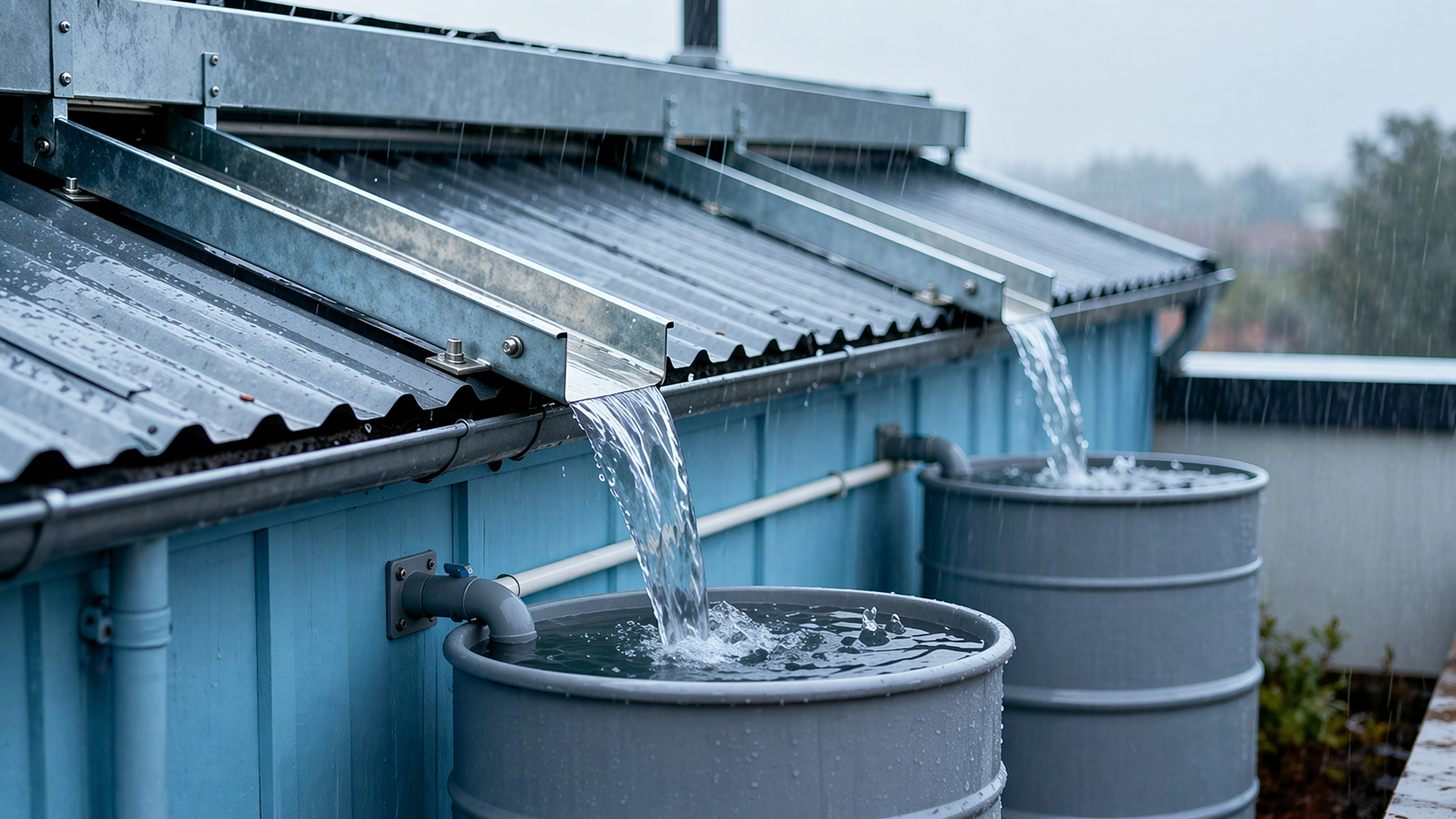
In Oregon, collecting rainwater is legal, but the permission comes with a specific boundary. Homeowners are allowed to capture rain only after it has landed on a manmade structure such as a roof. Gutters, downspouts, and storage barrels transform that rainfall into a usable supply for gardens, landscaping, and other non-drinking purposes. This type of collection is widely accepted and even encouraged as a way to conserve water, particularly in regions that experience dry summers.
The distinction becomes important when rainwater is intercepted before it reaches a rooftop. Oregon’s long-standing water rights system treats nearly all natural water, including rainfall once it enters the environment, as part of a regulated public supply. That means diverting water from the ground, capturing runoff, or attempting to store flowing rainwater outside of a rooftop system crosses into territory that typically requires a formal water rights permit.
The reasoning behind this approach is rooted in balance. Water that falls across the landscape feeds streams, replenishes groundwater, and supports ecosystems downstream. If individuals were free to intercept that water at will, even in small amounts, the cumulative impact could alter availability for agriculture, wildlife, and other users who rely on established water rights.
For residents, the practical takeaway is straightforward but important. Rain barrels connected to a roofline are not only allowed but represent a responsible way to make use of a natural resource without interfering with the broader system. On the other hand, collecting water directly from the land or redirecting its natural flow without authorization can create legal complications, even if the intent is conservation.
There is also a health consideration that often goes overlooked. Rainwater gathered from rooftops is not automatically safe to drink. Roof materials, debris, and environmental contaminants can affect water quality, meaning treatment and filtration would be necessary before considering it for household consumption.
Oregon’s approach may seem precise, but it reflects a larger reality about water in the West. Even something as simple as rainfall carries value beyond the moment it hits the ground. By allowing rooftop collection while restricting broader diversion, the state attempts to strike a balance between individual use and shared responsibility.
For communities across Southern Oregon, where seasonal shifts can bring both heavy rain and extended dry periods, understanding that balance matters. The rain may fall freely, but how it is gathered and used is anything but random.