


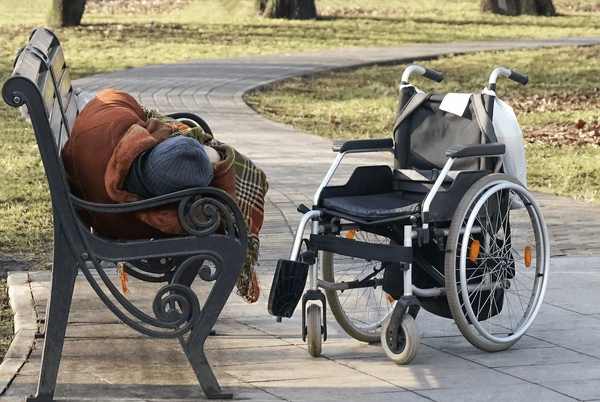
After months of legal wrangling, the Grants Pass City Council has voted to approve a settlement with Disability Rights Oregon (DRO), ending a high-stakes federal lawsuit—at least for now. But while the agreement may provide short-term legal relief for the city, it has sparked broader questions about what comes next for the unhoused residents who remain in limbo.
The lawsuit was originally filed in January by DRO and the Oregon Law Center, accusing the city of forcing homeless individuals—many with disabilities—into life-threatening conditions by aggressively enforcing anti-camping ordinances without offering sufficient legal alternatives. That complaint followed the January 7 vote by the newly elected City Council to shut down the sanctioned J Street site, which had accommodated approximately 120 tents. Simultaneously, they imposed severe time restrictions on the smaller 7th Street location, reducing access to just 10 hours per day for a site already at full capacity.
Those decisions left hundreds of homeless individuals without any legal place to sleep. City code prohibits resting or sheltering in public spaces between 5:00 p.m. and 7:00 a.m., with the exception of the now time-limited 7th Street site. In March, a federal judge issued an injunction that blocked the city from enforcing these regulations in most parks, citing the lack of lawful alternatives.
Now, as part of the newly approved settlement, the city will not admit wrongdoing but must fulfill several key obligations. Over the next 12 months, Grants Pass must provide ADA-compliant, low-barrier shelter capacity for at least 150 individuals within the urban growth boundary and ensure those areas include access to potable water. Additionally, the city is required to issue a $60,000 grant to a nonprofit for capital development aimed at supporting homeless services.
Once the court signs off on the agreement and the city verifies its compliance, the existing injunction will be lifted. According to City Attorney Stephanie Nuttall, that would allow Grants Pass to resume enforcement of its camping regulations and begin what the city describes as the process of “cleaning up” local parks.
But for advocates and residents alike, the looming question remains: where will those displaced by enforcement go?
Even with the promise of future shelter beds, current capacity is already overwhelmed. The city has not announced any immediate plans for new locations, leaving many skeptical about whether the necessary accommodations will be in place before enforcement resumes. The 7th Street site still holds far fewer people than needed, and no timeline has been made public regarding when the city will meet its new requirements.
The recent settlement may offer a legal reset, but it does little to address the structural gaps in housing, resources, and long-term planning that led to the lawsuit in the first place. Enforcement without alternatives risks repeating the cycle—and potentially triggering more litigation.
As the ink dries on the agreement, the city finds itself at a crossroads. Will Grants Pass use this moment to invest in solutions that protect both public spaces and the dignity of its most vulnerable residents? Or will it return to a policy of exclusion that courts have already deemed unsustainable?
The legal battle may be paused, but the deeper conflict—between policy, compassion, and reality—is far from over.