


As winter settles across Southern Oregon, many households served by Pacific Power are discovering that colder weather does not necessarily bring relief to monthly power bills. While electricity rates themselves may not fluctuate by time of day for most customers, how and when energy is used inside the home can still make a noticeable difference. Understanding that distinction is key to finding practical ways to cut costs during the winter months.
For the majority of Pacific Power customers in Southern Oregon, electricity is billed at a flat rate. This means that doing laundry at 7 a.m. costs the same as doing it at 7 p.m., unless a household has voluntarily enrolled in a time-of-use plan. Because of that, winter savings are less about watching the clock and more about reducing overall consumption, especially during periods when heating systems are working hardest.
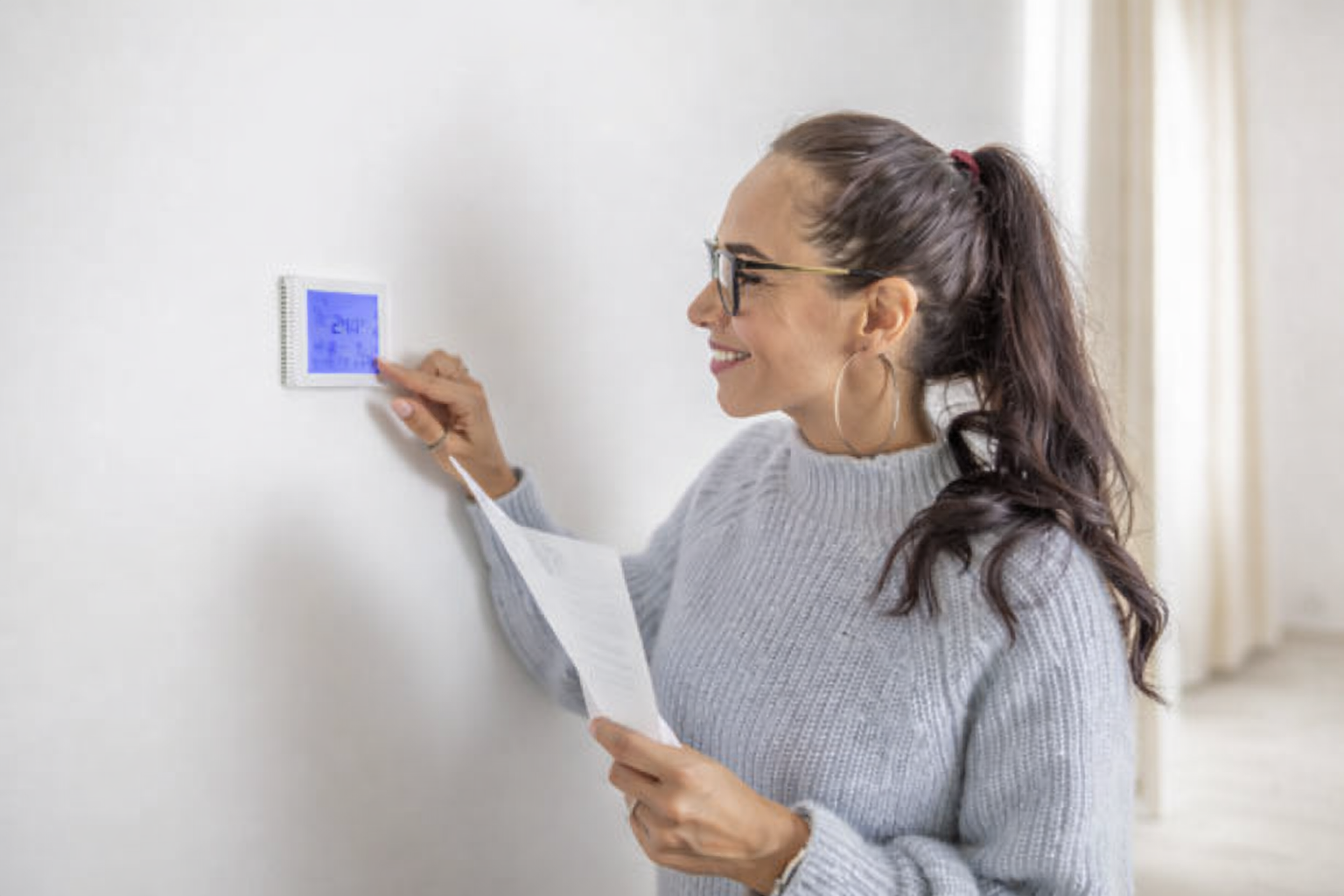
One of the most effective strategies begins with home heating. Even a small thermostat adjustment can lead to meaningful savings. Lowering the thermostat a few degrees when sleeping or away from home reduces the workload on electric heaters and heat pumps, which are often the biggest contributors to winter bills. Using extra blankets, wearing warmer clothing indoors, and sealing drafts around doors and windows can all reduce the need for constant heating without sacrificing comfort.
Insulation also plays a major role in winter energy efficiency. Heat loss through poorly sealed windows, doors, and crawl spaces forces heating systems to run longer and harder. Simple fixes such as weather stripping, door sweeps, and window coverings can help trap warm air inside. Heavy curtains closed at night can reduce heat loss through glass, while opening them during daylight hours allows natural sunlight to warm living spaces.
Appliance use matters as well, even without time-based pricing. Running full loads in dishwashers and washing machines reduces the number of cycles needed each week. Washing clothes in cold water whenever possible cuts down on energy used for heating water, and air-drying laundry indoors can eliminate the need for the dryer altogether while adding some moisture to dry winter air.
Lighting and electronics are another often-overlooked source of energy waste. Shorter days mean lights stay on longer, but switching to LED bulbs significantly reduces electricity use while lasting much longer than traditional bulbs. Electronics that remain plugged in can draw power even when turned off, so unplugging unused devices or using power strips can quietly lower consumption throughout the month.
For residents with electric heat pumps, routine maintenance is especially important during winter. Clean filters allow systems to run more efficiently, while blocked or dirty filters force equipment to use more power to achieve the same level of warmth. Keeping vents unobstructed and ensuring outdoor units are free from debris also helps maintain efficiency.
While optional time-of-use plans exist, they are not the default in Southern Oregon. For most households, the biggest savings come from reducing total energy use rather than shifting it to different hours. Pacific Power does not throttle electricity or restrict usage during peak times, so the focus remains firmly on conservation rather than timing.
As winter energy bills continue to strain household budgets, small adjustments can add up. By tightening homes against the cold, using appliances more efficiently, and paying closer attention to everyday energy habits, Southern Oregon residents can regain some control over costs, even in a season when power demand is at its highest.