


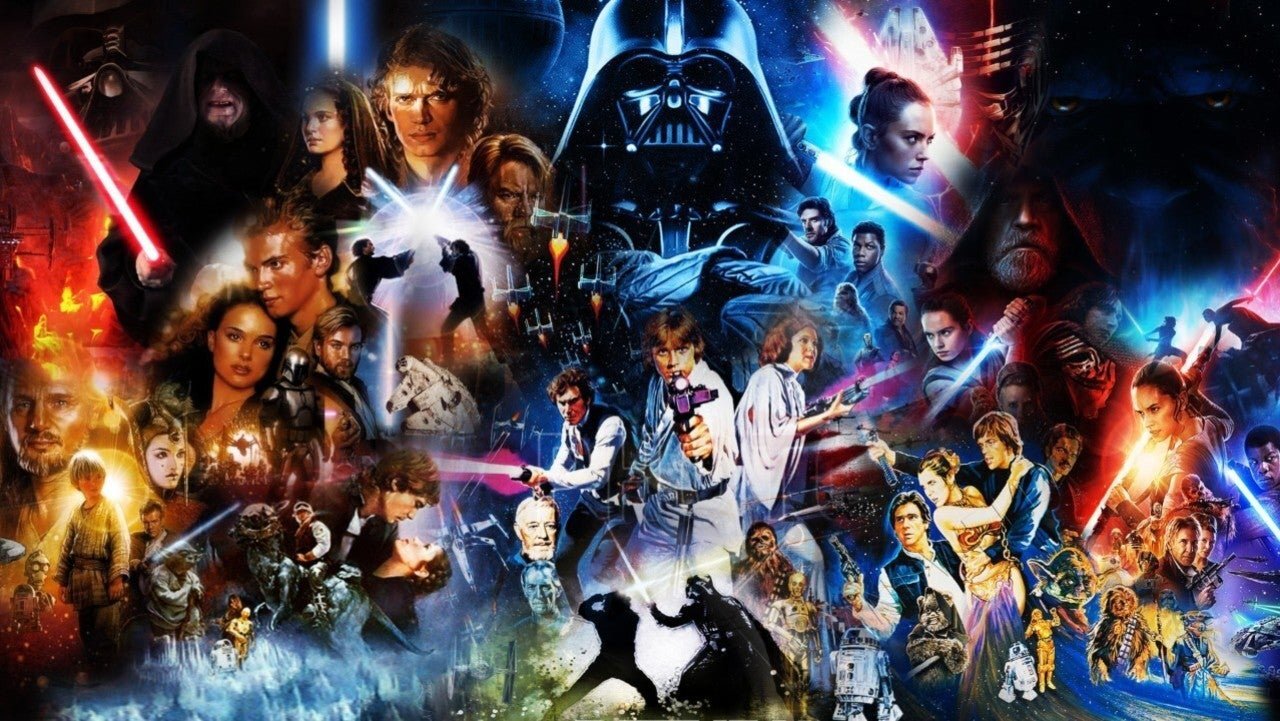
In recent weeks, a heated debate has emerged surrounding the iconic “Star Wars” franchise, with some critics arguing that the films lack sufficient representation of people of color. This discussion, largely driven by progressive voices, claims that the original trilogy, created by George Lucas, did not adequately include diverse characters. However, this critique has sparked a significant backlash from fans and observers who see it as an example of the so-called “woke agenda” taking things too far.
The “Star Wars” saga, launched in 1977 with “Episode IV: A New Hope,” has been a cultural phenomenon for decades. It is widely celebrated for its groundbreaking special effects, compelling storytelling, and memorable characters. Among those characters, James Earl Jones voiced Darth Vader, arguably one of the most iconic villains in cinematic history. Jones, an African-American actor, brought gravitas and a powerful presence to the role, making Darth Vader a lasting figure in pop culture.
Additionally, Billy Dee Williams portrayed Lando Calrissian, a suave and charismatic character introduced in “The Empire Strikes Back” (1980). Williams’ performance as Lando was widely acclaimed and added significant depth to the “Star Wars” universe. These contributions by actors of color are often highlighted by those who push back against the claims of insufficient diversity.
Critics argue that focusing on the supposed lack of diversity in the original “Star Wars” films ignores the historical context and the strides the franchise has made over the years. The original trilogy was created in an era where Hollywood as a whole had far less representation than it does today. Despite this, “Star Wars” managed to include significant roles for actors of color.
Moreover, the franchise has evolved significantly over time. Recent entries, such as the sequel trilogy and standalone films, have made a conscious effort to include a more diverse cast. Characters like Finn (John Boyega), a former stormtrooper turned hero, and Rose Tico (Kelly Marie Tran), a Resistance fighter, reflect this shift towards greater inclusivity. These characters have played crucial roles in the modern narrative of “Star Wars,” demonstrating the franchise’s commitment to evolving with the times.
The criticism aimed at the original “Star Wars” films is viewed by many as an attempt to create controversy where none exists. They argue that it detracts from the genuine discussions about representation and diversity that are important in today’s media landscape. By focusing on past films, these critics may be overlooking the positive strides being made in contemporary storytelling.
While the debate over diversity in “Star Wars” continues, it is essential to recognize the significant contributions of actors like James Earl Jones and Billy Dee Williams. Their performances helped shape the beloved universe and brought depth to its characters. As the franchise continues to grow and evolve, it remains a testament to the power of storytelling and the ongoing journey towards inclusivity in Hollywood to this day.