


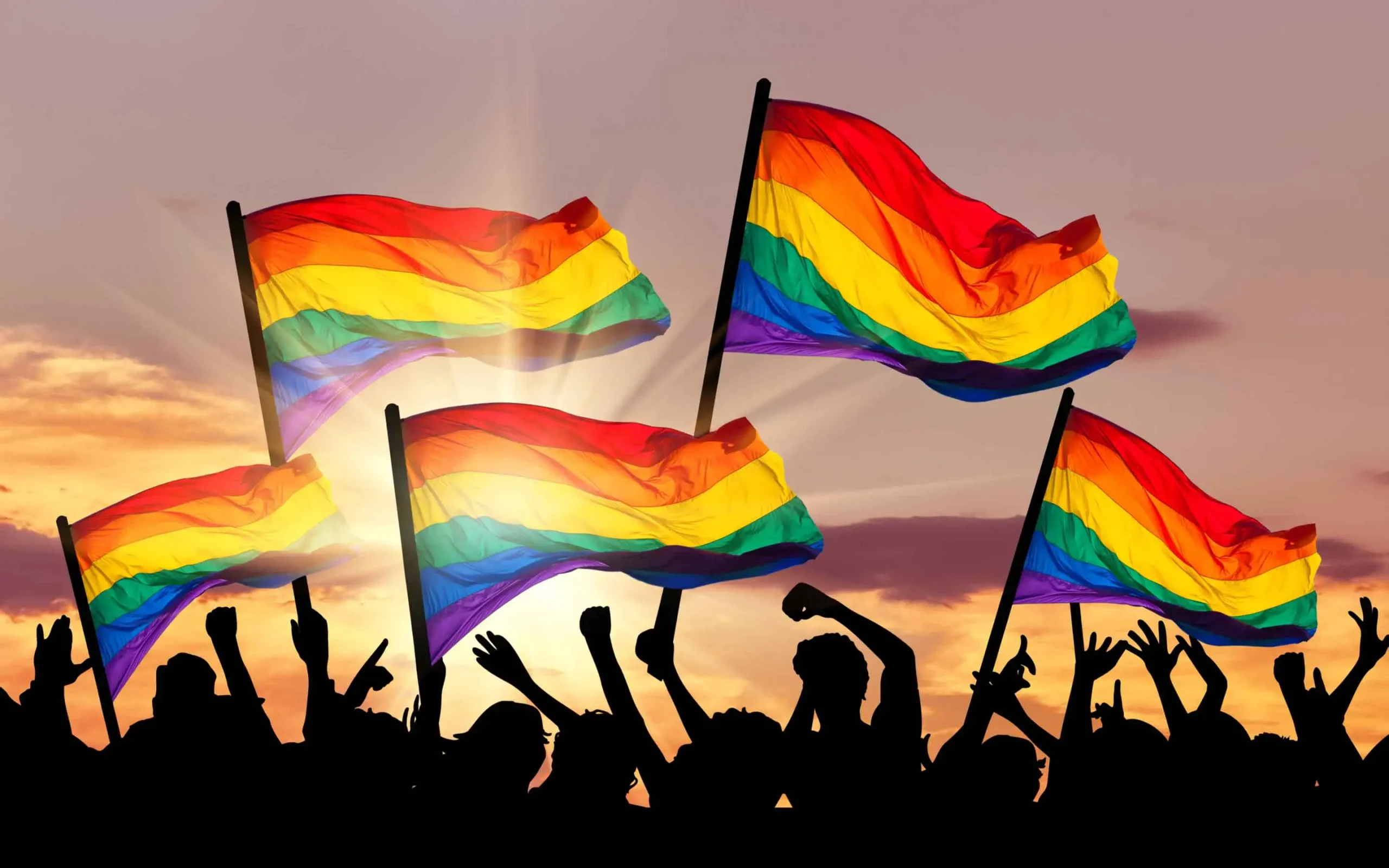
Each June, storefronts and websites across America blossom in a rainbow of colors. Flags, mugs, t-shirts, coffee blends, and countless other products tout messages of LGBTQ+ pride and inclusivity. But beneath the bright displays lies a robust seasonal marketplace—one that, while lucrative, is also navigating the tricky waters of cultural controversy and shifting consumer expectations.
The economic power of the LGBTQ+ community, often dubbed the “pink dollar,” is undeniable. In the United States alone, LGBTQ+ consumers command an estimated $917 billion in annual purchasing power. Pride Month has become a key window to tap into this market. Major retailers—think Target, Macy’s, Adidas, and Coca-Cola—have traditionally launched Pride-themed collections, hoping to attract both LGBTQ+ consumers and allies eager to show their support.
And it works. While exact revenue figures remain closely guarded, the spikes in sales during June suggest a sizable financial impact. Popular Pride merchandise, such as rainbow apparel, home goods, coffee mugs, and novelty items, often sells out online and in stores within the first weeks of the month. Target, which has been one of the most visible corporate participants, has reported substantial sales from its annual Pride collections in previous years—though recent backlash has complicated the equation.
Pride Month commerce is built around both profit and purpose. Many companies promise to donate a percentage of their Pride-related sales to LGBTQ+ nonprofits such as The Trevor Project or the Stonewall Foundation. Socks brand Bombas, for example, has contributed significant funds to LGBTQ+ homelessness programs through Pride-themed merchandise. Similarly, queer-owned businesses like TomboyX and Pressed Juicery combine direct profits with year-round advocacy.
Yet the 2025 Pride season has marked a notable pullback. About 39% of surveyed corporations reported reducing their Pride marketing or merchandise offerings this year. Some cited political pressures or a desire to avoid becoming lightning rods in the ongoing cultural battles over LGBTQ+ visibility. Others simply responded to economic caution or declining sales after highly publicized controversies in 2023 and 2024.
Two high-profile examples stand out. Target, once celebrated for its Pride collections, faced intense boycotts and saw its first quarterly sales decline in six years after a backlash to its 2024 Pride display. Bud Light’s partnership with a transgender influencer led to similar consumer blowback and financial fallout, costing parent company Anheuser-Busch billions in lost revenue.
Corporate caution reflects a larger shift. Many LGBTQ+ consumers and advocates have grown weary of what some call “rainbow capitalism”—the use of Pride branding as a fleeting marketing tool with little substantive support behind it. There’s increasing demand for companies to engage in authentic, year-round allyship rather than merely capitalizing on Pride Month for short-term profits.
Compared to the biggest spending holidays, however, Pride remains a modest player. Christmas is the undisputed leader in U.S. retail, driving hundreds of billions in consumer spending on gifts, decorations, and holiday essentials. Valentine’s Day consistently generates around $20 to $25 billion annually, largely on candy, flowers, dining, and jewelry.
Pride Month commerce—though highly visible—is still measured in the tens to low hundreds of millions of dollars across the U.S. retail sector. It’s a vibrant but compact seasonal window, more akin to Halloween or Back-to-School shopping than the giant engines of Christmas or Valentine’s Day. One distinction, though, is the higher proportion of Pride merchandise tied to charitable contributions, with donation rates ranging from 10% to 40% depending on the brand.
Profit motives aside, nonprofits also benefit significantly from Pride Month. Organizations like PFLAG, The Trevor Project, and countless local LGBTQ+ centers often receive their largest influx of public donations during this period, boosted by both direct giving and corporate campaigns. Queer-owned small businesses, too, often experience a surge in revenue during June as consumers seek to support LGBTQ+ creators and entrepreneurs.
However, the backlash that has characterized the past two years is reshaping the corporate calculus. Some brands are choosing to scale back or refocus their Pride engagement, emphasizing sustained support and internal workplace policies over splashy product lines. Others are testing more subtle ways to engage, hoping to avoid controversy while maintaining credibility with LGBTQ+ customers.
As one industry analyst put it, “We’re seeing a transition from rainbows on everything for a month to companies being held accountable for what they do the other 11 months of the year.” In that sense, Pride Month commerce is at a crossroads—poised between lucrative opportunity and growing calls for authenticity.
For now, Pride Month will continue to generate significant revenue and visibility for both for-profit companies and nonprofits. But as American culture continues to wrestle with questions of inclusion, identity, and consumer activism, the business of Pride is likely to evolve further—both in tone and in impact.