


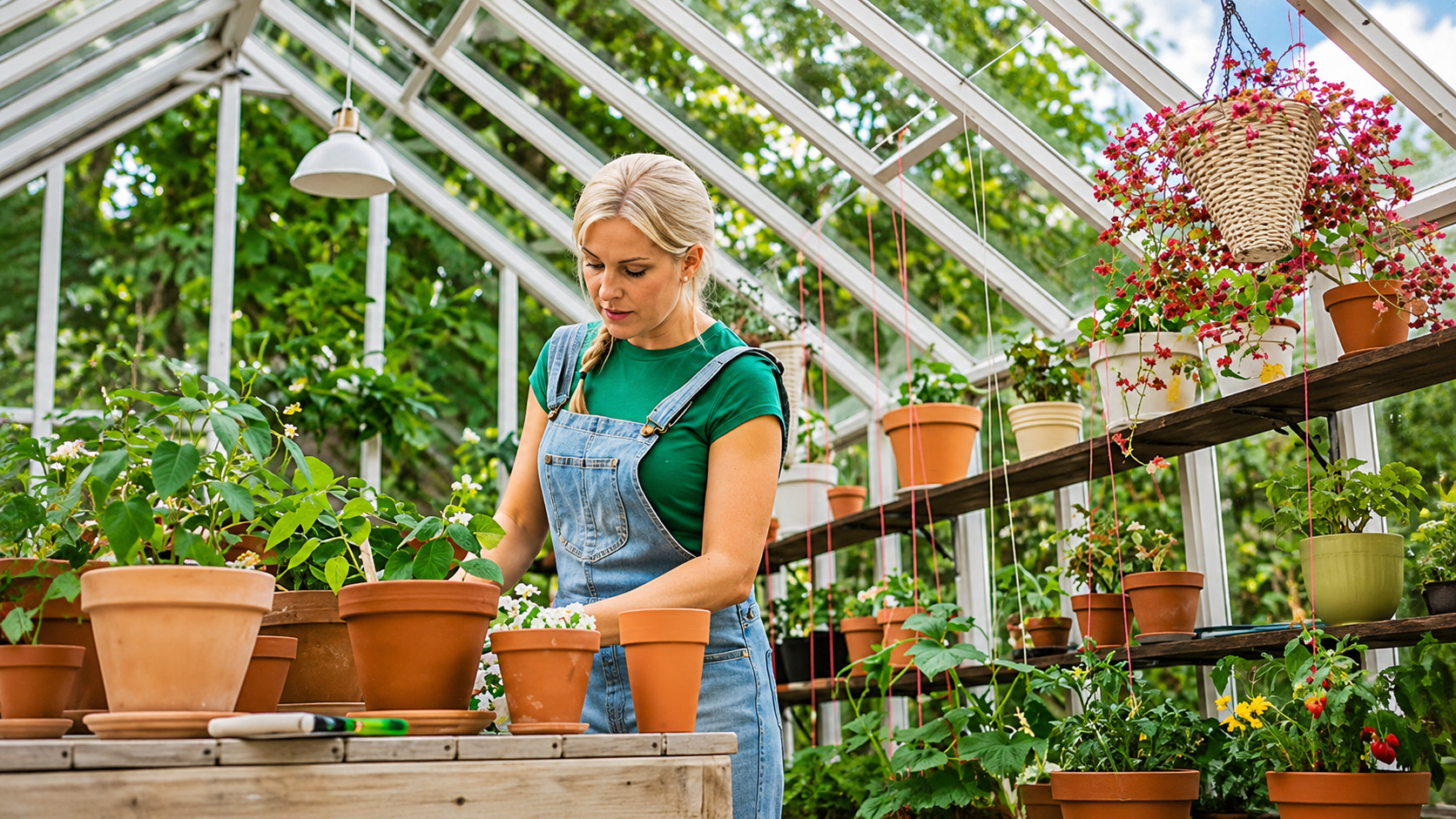
As winter settles across Southern Oregon, gardens that flourished through the warmer months begin their seasonal rest, but inside homes throughout Grants Pass, Medford, and surrounding communities, a different kind of gardening season is underway. Windowsills become miniature greenhouses, kitchen counters accommodate fresh herbs, and familiar houseplants bring color and greenery into homes while temperatures outside continue to fall.
Keeping indoor plants healthy during the winter requires some adjustments, particularly as shorter days, reduced sunlight, and household heating change the conditions in which plants grow. Along with proper lighting and watering, several inexpensive household ingredients can contribute to plant nutrition, including something most families routinely throw away: banana peels.
Banana peels contain potassium, an essential nutrient that contributes to healthy plant development. While they cannot replace a complete fertilizer, they can become part of a practical approach to recycling kitchen scraps and supporting indoor gardening.
Potassium is one of three primary nutrients required for plant growth, alongside nitrogen and phosphorus. Nitrogen supports leafy development, phosphorus contributes to root growth and flowering, and potassium helps plants regulate water, maintain healthy cellular functions, and tolerate environmental stress.
Commercial fertilizers commonly identify these nutrients through the familiar NPK labeling system. Potassium chloride, also known as muriate of potash, is one commercial source of potassium, although it is not necessarily the best choice for every plant. Excessive amounts can increase salt concentrations in soil and damage sensitive roots.
Banana peels offer a different approach. Rather than introducing concentrated mineral fertilizer, gardeners can recycle the peels through composting or experiment with extracting some of their water-soluble nutrients.
One homemade gardening technique involves boiling banana peels in water to produce a mild liquid sometimes called banana peel tea.
The preparation is relatively simple. Fresh banana peels are rinsed, chopped into smaller pieces, and placed in a saucepan of water. The mixture can be gently simmered for approximately 10 to 15 minutes before being removed from the heat and allowed to cool completely. The liquid is then strained to remove the remaining peel material.
The resulting water may contain small quantities of potassium and other soluble compounds released during heating. However, its actual nutrient concentration is unknown, and research has not established that boiled banana peel water consistently improves houseplant growth. The boiling process should therefore be understood as a household gardening experiment rather than a proven replacement for fertilizer.
For anyone experimenting with the technique, the liquid should be used only after cooling, with the solids removed. A small amount can be tested on an established, actively growing plant in place of an ordinary watering. There is no scientifically established application rate, and repeated applications are not recommended without evidence that the plant needs additional nutrients. Any unused liquid should be discarded rather than stored until it begins to ferment.
Indoor gardeners should also avoid placing fresh banana peels directly into houseplant containers. Decomposing food scraps can encourage mold, attract fungus gnats, and create unpleasant odors, particularly in warm indoor environments.
Composting offers a more dependable way to recycle the peels. When combined with dried leaves, vegetable scraps, and other appropriate organic materials, banana peels gradually decompose and contribute nutrients to finished compost. Fully matured compost can improve soil structure and nutrient availability, although ordinary garden compost is not always suitable for indoor pots unless it has been properly processed and incorporated into an appropriate potting mixture.
The benefits of potassium also depend on whether a plant actually needs more of it. A plant already receiving sufficient potassium will not necessarily grow larger simply because additional potassium is introduced. Too much of any nutrient can disrupt the balance required for healthy growth.
For Southern Oregon households, winter lighting may be a considerably greater concern than fertilizer.
During November, December, and January, reduced daylight limits the energy available for photosynthesis. Even plants positioned near windows receive less natural light than during the summer. South-facing windows generally provide the greatest winter sunlight, while north-facing windows offer considerably less.
Plants that begin developing unusually long, thin stems or noticeably smaller leaves may be responding to insufficient light. Moving them closer to a suitable window or installing an indoor LED grow light can help maintain healthier growth.
For residents growing culinary herbs such as basil, parsley, cilantro, or mint, supplemental lighting may be particularly useful. These plants generally require brighter conditions than many common decorative houseplants, and ordinary room lighting is often inadequate for productive winter growth.
Temperature also plays an important role.
Most common tropical houseplants perform well in relatively stable indoor temperatures, generally around 65 to 75 degrees during the day. Sudden cold drafts, contact with chilly window glass, and direct exposure to heating vents can damage foliage.
Household heating presents another challenge by reducing indoor humidity. Ferns and other moisture-loving plants may develop dry, brown leaf edges when surrounding air becomes excessively dry. Grouping compatible plants together or using a room humidifier can help maintain more favorable conditions.
Watering habits also need to change with the season.
One of the most frequent problems affecting indoor plants is excessive watering. Because many houseplants grow more slowly during winter, their roots absorb water at a reduced rate. Soil that remained appropriately moist during summer can stay wet much longer in December.
Checking moisture beneath the soil surface before watering is more reliable than following a fixed calendar. Containers should have drainage holes, and excess water should never be allowed to accumulate around the roots.
Plants such as succulents and cacti generally require longer drying periods, while ferns and certain tropical varieties prefer more consistent moisture. Understanding the individual plant’s requirements is more effective than treating every container identically.
Winter is also an opportunity to examine plants for pests, damaged foliage, and overcrowded roots. Dust can be gently removed from suitable leaves to improve their exposure to available light, while damaged or diseased material can be trimmed away with clean tools.
Although gardeners may be tempted to encourage rapid winter growth through additional feeding, most established houseplants need little or no fertilizer during their natural period of reduced activity. Fertilization is generally more beneficial when plants resume active growth as daylight increases in spring. Indoor vegetables and herbs growing vigorously under supplemental lighting may have different nutritional requirements.
For residents interested in larger foliage, stronger stems, and healthier flowering plants, a balanced fertilizer appropriate for the particular species provides a more predictable source of nutrients than homemade mixtures. Fertilizer labels identify the proportions of nitrogen, phosphorus, and potassium, allowing gardeners to select products suited to foliage plants, flowering varieties, or edible crops.
The winter months also provide an opportunity to prepare for spring gardening. Banana peels, vegetable trimmings, and other compostable kitchen scraps collected during the colder season can be converted into organic material for outdoor garden beds once decomposition is complete.
For Southern Oregon gardeners, the transition from outdoor planting to indoor growing does not have to mean putting away every gardening tool until April. A sunny window, suitable containers, healthy potting mix, and careful attention to moisture can sustain a variety of plants throughout the colder months.
And while the humble banana peel may not be the miracle fertilizer sometimes described in household gardening tips, it does contain useful nutrients and can contribute to a larger effort to reduce kitchen waste and recycle organic material.
As winter continues across the Rogue Valley, successful indoor gardening comes down to understanding what plants need during the season rather than simply encouraging faster growth. Adequate light, appropriate watering, stable temperatures, and balanced nutrition provide the foundation for healthy greenery indoors, keeping a little piece of the garden growing until Southern Oregon welcomes another spring.