


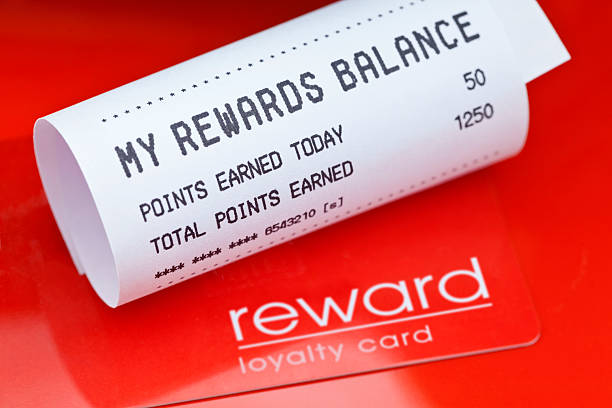
Retailers across the country have been ramping up their promotions, dangling massive point rewards as incentives to draw customers through their doors or onto their websites. The advertisements are bold and enticing: spend $60 and receive 50,000 points. On paper, it sounds like a windfall—a treasure chest of rewards in exchange for a modest purchase. But the central question remains: are these points actually worth anything, or are they simply a cleverly disguised marketing tool designed to keep customers spending more money than they intended?
At the heart of the issue lies the way points systems are structured. Unlike a clear-cut discount where a shopper saves an exact dollar amount at the register, points represent a promise of future value. That promise, however, is rarely straightforward. In many cases, the conversion rate of points to usable rewards is confusing, hidden deep in the fine print. What appears to be 50,000 points could translate into only a few dollars’ worth of store credit, or worse, only apply to items that few customers actually want. For the consumer, the initial rush of feeling rewarded often fades when redemption becomes a frustrating exercise.
The illusion of abundance is what makes these systems so effective. Psychologically, large numbers trigger feelings of gain. Receiving 50,000 points feels more substantial than a $5 coupon, even if the latter delivers more tangible value. Retailers understand this and craft their programs to maximize the emotional impact while minimizing the real cost. The tactic resembles a bait-and-switch, enticing shoppers with inflated figures only to leave them disappointed when they attempt to cash in.
Another complication arises in the way points often come with expiration dates, redemption restrictions, or limited product choices. A customer may need to make repeated purchases or spend significantly more money to unlock meaningful rewards. This structure ensures that the retailer benefits from repeat business while the customer rarely achieves the perceived payoff. For those with limited budgets or shopping needs, the points remain unredeemed, ultimately returning the advantage entirely to the company.
The broader financial lesson here is that money speaks louder than points. A percentage discount at the time of purchase offers immediate, measurable benefit. Saving ten percent off a $100 bill means exactly $10 remains in a customer’s pocket. With points, the math is often hidden behind opaque reward tiers or complex conversion charts that tilt the balance in favor of the retailer. In an economy where consumers are increasingly aware of how far each dollar must stretch, the practicality of instant discounts far outweighs the allure of points.
Yet, it would be unfair to dismiss all points programs as useless. Some, particularly in industries like travel, offer significant value when used strategically. Frequent flyer miles, for example, can accumulate toward free flights, upgrades, or services that would otherwise cost hundreds of dollars. However, these programs also tend to favor big spenders or those willing to meticulously track their balances and optimize redemption. For the average shopper buying groceries or clothes, the return on points often remains negligible.
The question then becomes whether retailers should re-evaluate how they incentivize loyalty. Consumers are increasingly skeptical of gimmicks and are more likely to respond to transparency and tangible benefits. Clear discounts, cashback offers, and straightforward price reductions provide certainty and trust. Points, on the other hand, can leave customers questioning whether they are truly being rewarded or merely being drawn into a cycle of overconsumption.
In the end, the old saying still rings true: money is money. Points may create the illusion of value, but without real utility, they risk becoming more of a frustration than a benefit. For consumers, the best defense is awareness—understanding the true worth of what is offered and recognizing when a marketing tactic is designed to keep them spending rather than saving. For retailers, the challenge lies in proving that their rewards systems genuinely serve customers rather than simply dressing up another way to increase sales.