


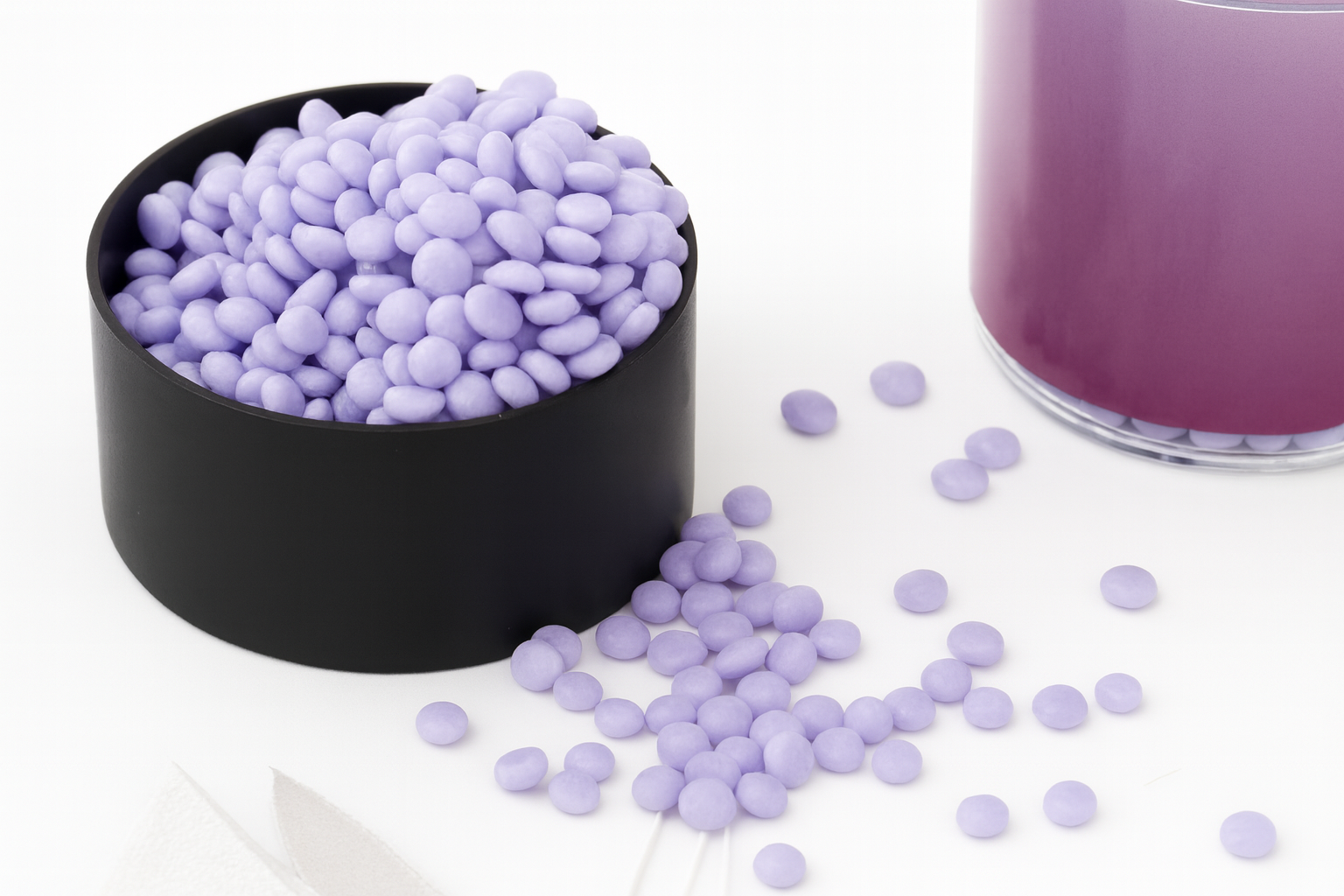
In recent years, laundry scent beads have become a popular household item, marketed as a way to give clothing a lasting fresh scent and added softness. Lining store shelves in vibrant containers with alluring fragrances, these small dissolvable pellets promise a “luxury laundry experience.” Yet their price tags often tell a different story. A standard container can run anywhere from $10 to $20, with some brands costing even more for “premium” scents or larger sizes. Understanding why these products are so expensive requires looking at both the economics of production and the psychology of marketing.
At the manufacturing level, scent beads are primarily made from a mix of polyethylene glycol or other soluble polymers, synthetic fragrances, and stabilizing agents. While the base materials are not inherently costly, the fragrances themselves often come from complex chemical blends that mimic natural scents, sometimes incorporating microencapsulation technology to make the smell last for weeks. This encapsulation involves coating fragrance oils in tiny shells that slowly release aroma over time. It’s an added manufacturing step that raises production costs, though not dramatically.
The real price inflation often happens after production. Scent beads occupy a unique position in the consumer market: they are neither essential, like detergent, nor purely decorative. Companies have effectively positioned them as a “premium upgrade” to everyday laundry. This allows brands to charge a significant markup, often many times the actual cost of the ingredients and packaging. Heavy marketing campaigns reinforce the perception that scent beads are a necessary addition for freshness and softness, driving consumers to purchase them regularly.
Packaging plays a role as well. Many of the containers are oversized and designed to look substantial, giving an impression of value even if the actual weight of the product is relatively light. Eye-catching branding, celebrity endorsements, and expensive advertising further push costs onto consumers. Combined with the fact that scent beads are consumed quickly — usually lasting only 10 to 20 loads per container — regular use can add several hundred dollars to annual laundry expenses for an average household.
For those looking to maintain fresh, soft laundry without paying for these high-priced additives, natural alternatives offer a cost-effective solution. A simple cup of white vinegar added to the rinse cycle can act as a natural fabric softener, reducing residue from detergents and leaving clothes clean without harsh chemicals. Baking soda, when added to the wash, helps neutralize odors and soften fabrics at a fraction of the cost of scent beads. Essential oils such as lavender, lemon, or eucalyptus can be added sparingly to wool dryer balls to lightly scent laundry without overwhelming fragrances.
Air-drying clothes in sunlight can also impart a natural freshness while saving energy. For households concerned with sensitive skin, these natural options avoid the synthetic chemicals that can cause irritation, making them both economical and healthier.
Ultimately, the high cost of laundry scent beads is driven less by necessity and more by branding and consumer perception. While they provide a convenient burst of fragrance, their price far exceeds their practical value. By embracing simple, natural methods, households can achieve fresh, soft laundry without spending unnecessarily on what has become one of the laundry aisle’s most expensive extras.