


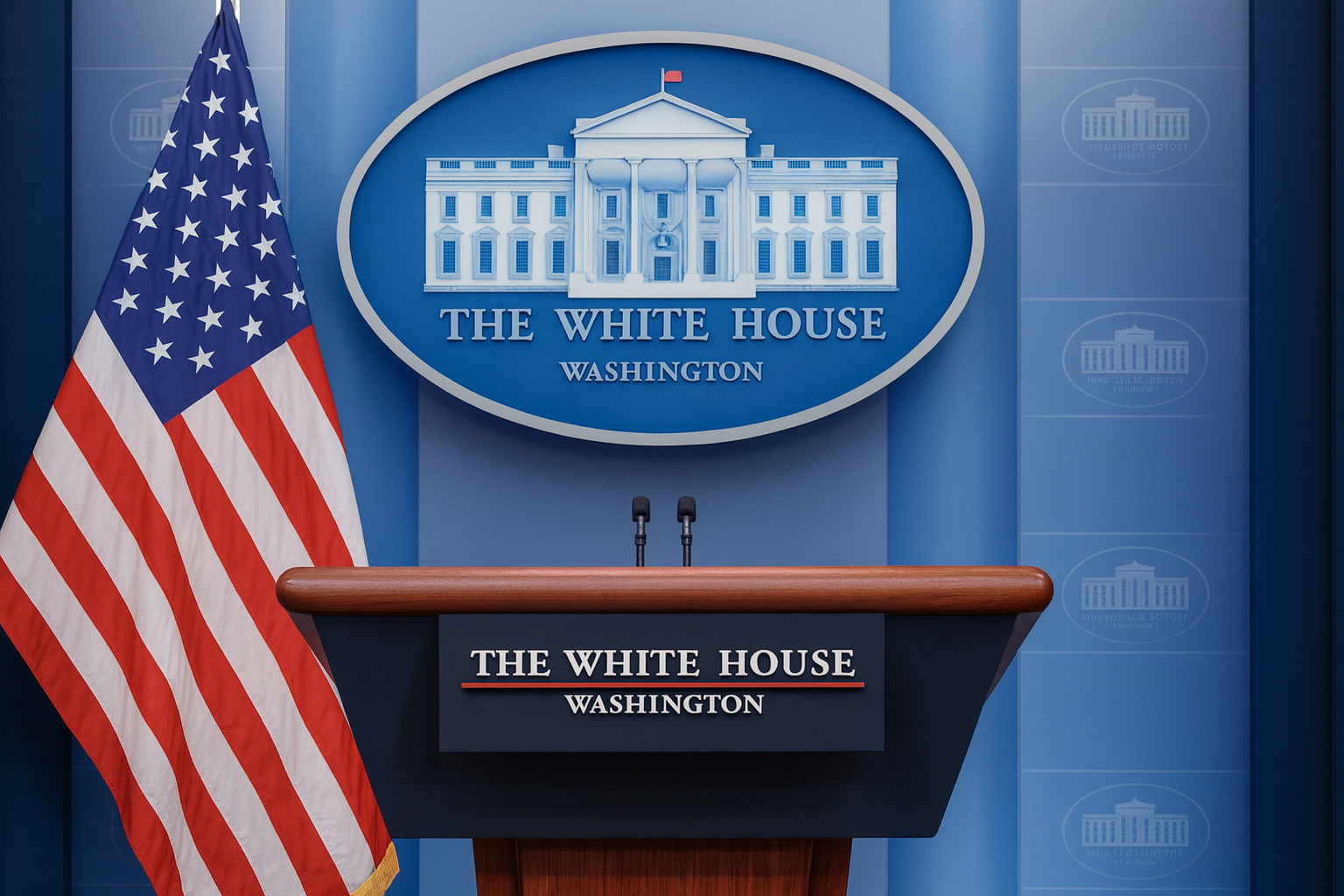
The modern presidency has weathered wars, scandals, recessions and political turmoil, but one expectation has traditionally endured across generations: the occupant of the Oval Office is expected to model basic professionalism. That standard was tested again this month when President Donald Trump referred to Bloomberg News White House correspondent Catherine Lucey as “piggy” during a press gaggle aboard Air Force One. The moment ignited widespread concern about the tone coming from the nation’s highest office and the message it sends across the country.
The exchange occurred November 14 during a discussion with reporters about newly released congressional records involving the late Jeffrey Epstein. Lucey asked a follow-up question after the president responded briefly to the topic. In a moment now replayed across national news outlets, Trump leaned toward her, pointed, and uttered the now-controversial phrase. The remark was instantly met with shock among members of the press pool, many of whom later described the atmosphere as stunned silence.
The White House quickly attempted to justify the comment. Press Secretary Karoline Leavitt framed the president’s behavior as blunt, unfiltered communication and accused reporters of provoking him with what she characterized as unfair questioning. Bloomberg News defended its correspondent and reaffirmed its commitment to journalism that seeks answers regardless of political pressure.
Condemnation, however, came swiftly from across the media landscape. National reporters, editors and advocacy groups argued that the president’s language was not simply casual insult but a targeted, gendered belittlement that undermines professional journalism and reinforces hostility toward women in public life. Analysts noted that the term carried a humiliating connotation and landed in a setting where a president’s words carry extraordinary power.
This is not the first time Trump has used such descriptions. His public remarks toward female journalists have been scrutinized for years, and critics say the latest episode continues a pattern that chips away at principles once considered sacrosanct. The role of the presidency has long been associated with restraint, dignity and adherence to a standard of conduct that demonstrates respect for institutions and the people who question them. Past administrations have clashed with reporters, sometimes publicly, yet rarely in ways that crossed professional boundaries or resorted to personal disparagement.
Observers warn that the cumulative impact of these moments extends beyond politics. When a president uses degrading language toward members of the press, the behavior reverberates far outside the White House briefing room. It influences the environment in which journalists work, shapes public perception of the media, and signals to supporters that such conduct is acceptable. Critics argue that this dynamic threatens the longstanding expectation that the White House sets a national example for civility and responsible leadership.
The debate also underscores how much political culture has changed over the decades. What once would have been unthinkable has become a subject of partisan defense or outrage depending on the audience. Yet many Americans, regardless of party, express fatigue with a political climate that normalizes coarse exchanges rather than constructive dialogue. The presidency, by its nature, is a position watched by the world. When its occupant abandons decorum, even momentarily, the nation absorbs the impact.
As the incident continues to unfold across headlines and broadcasts, one question remains central: what should the public expect from its leaders, and how far have the standards shifted from the traditions that once defined the office? The answer may shape not only the legacy of this administration but the expectations Americans hold for future presidents who inherit both the authority and the responsibility of the country’s most visible role.