


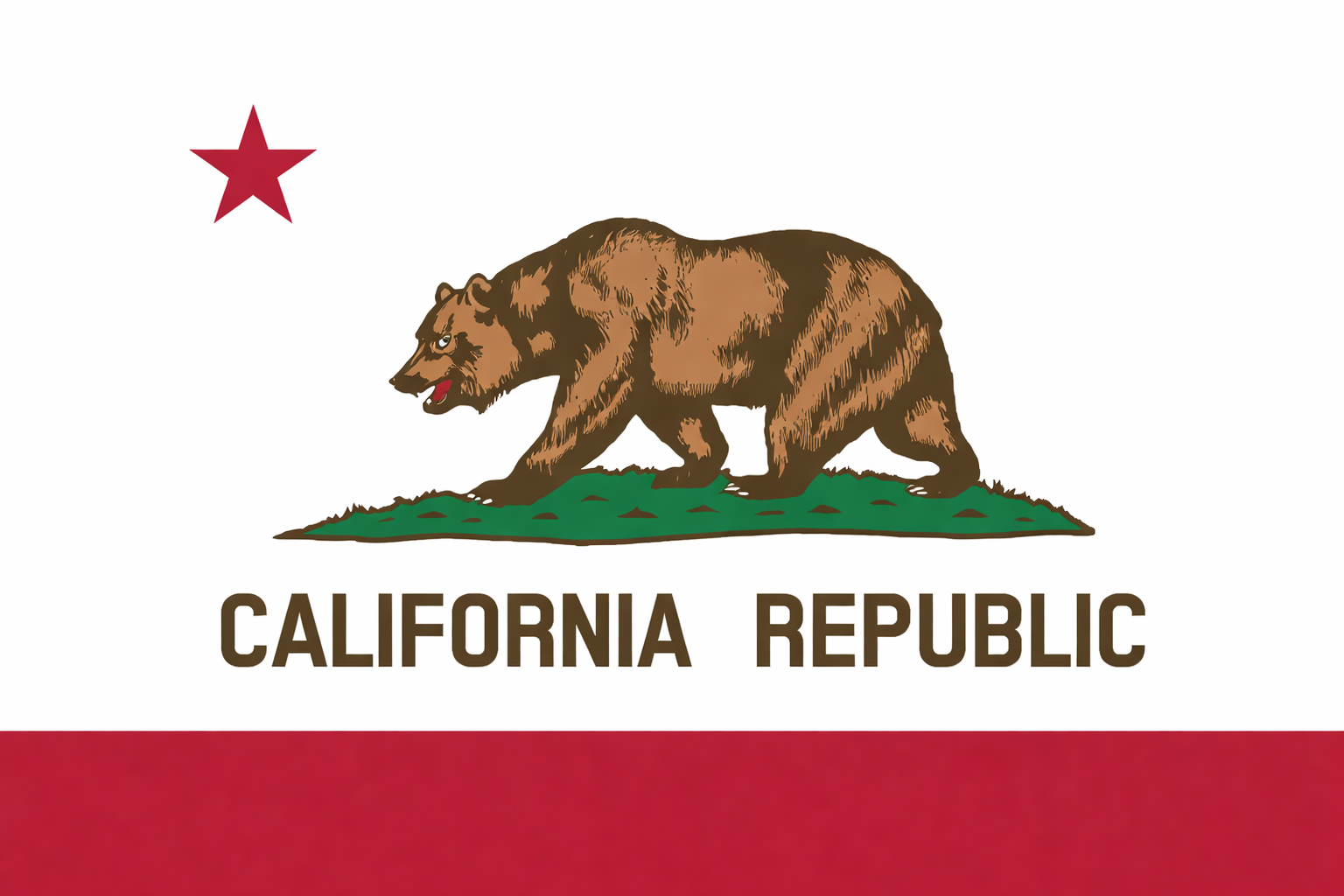
In a move that immediately altered the national conversation around public health and international cooperation, California Governor Gavin Newsom announced that his state would become the first in the nation to formally join the World Health Organization’s Global Outbreak Alert and Response Network, just one day after the United States officially withdrew from the World Health Organization. The decision positioned California as an unexpected but determined player on the global health stage at a moment when the federal government has stepped away from international coordination.
The announcement landed with the force of a buzzer-beater. As Washington exited the WHO, California sprinted in the opposite direction, aligning itself with a global early-warning and rapid-response system designed to detect and contain infectious disease threats before they spiral into full-scale crises. The Global Outbreak Alert and Response Network, known as GOARN, is a long-standing coalition of governments, public health agencies, laboratories, and academic institutions that shares real-time data and deploys expertise during outbreaks anywhere in the world.
By joining GOARN, California secured a direct channel into that international surveillance and response infrastructure. State health officials will now have access to global outbreak alerts, technical expertise, and coordinated response planning, even as the federal government no longer participates in the WHO’s broader framework. The move underscores California’s belief that pathogens do not respect borders and that early intelligence can be as decisive as a strong defense in a championship game.
The timing of the announcement was impossible to ignore. The U.S. withdrawal from the WHO, ordered under President Donald Trump, has been defended by federal officials as a necessary assertion of sovereignty and a rebuke of international institutions they argue are inefficient or politically compromised. California’s response, however, signals a sharply different strategy: stay engaged, stay informed, and stay connected to the global playbook.
Newsom unveiled the decision while abroad, following discussions with international health leaders, reinforcing the state’s intent to remain active in global policy spaces traditionally occupied by national governments. California officials framed the move as a pragmatic step to protect residents by preserving access to early warnings and coordinated response capabilities that proved critical during the COVID-19 pandemic and other recent health emergencies.
Public health experts note that GOARN membership does not grant regulatory authority or impose international mandates on California. Instead, it functions as a collaborative network, sharing data, expertise, and logistical support during outbreaks. For a state with nearly 40 million residents, extensive international travel hubs, and a globalized economy, the ability to monitor emerging threats abroad is viewed as a strategic advantage rather than a symbolic gesture.
The decision also places California in largely uncharted territory. While U.S. universities and research institutions have long participated in WHO-linked networks, California is now the only state government formally embedded in GOARN. That distinction raises broader questions about the evolving role of states in global affairs, particularly when federal policy retreats from international engagement.
Supporters argue the move strengthens national resilience by ensuring at least one major U.S. jurisdiction remains plugged into global health intelligence. Critics counter that foreign policy and international health coordination should remain the exclusive domain of the federal government, warning that state-level participation could blur constitutional lines or create conflicting signals abroad.
Yet the practical implications may matter more than the politics. California’s public health system will now operate with an expanded view of the field, receiving early signals about outbreaks that could affect supply chains, travel, hospitals, and vulnerable populations. In an era defined by rapid transmission and global interdependence, that situational awareness can be the difference between a contained incident and a season-ending collapse.
As the United States recalibrates its relationship with international institutions, California’s decision stands as a reminder that the contest over global engagement is far from settled. While Washington steps back from the WHO, the nation’s largest state has chosen to keep its jersey on, stay on the court, and remain in the global health game.