


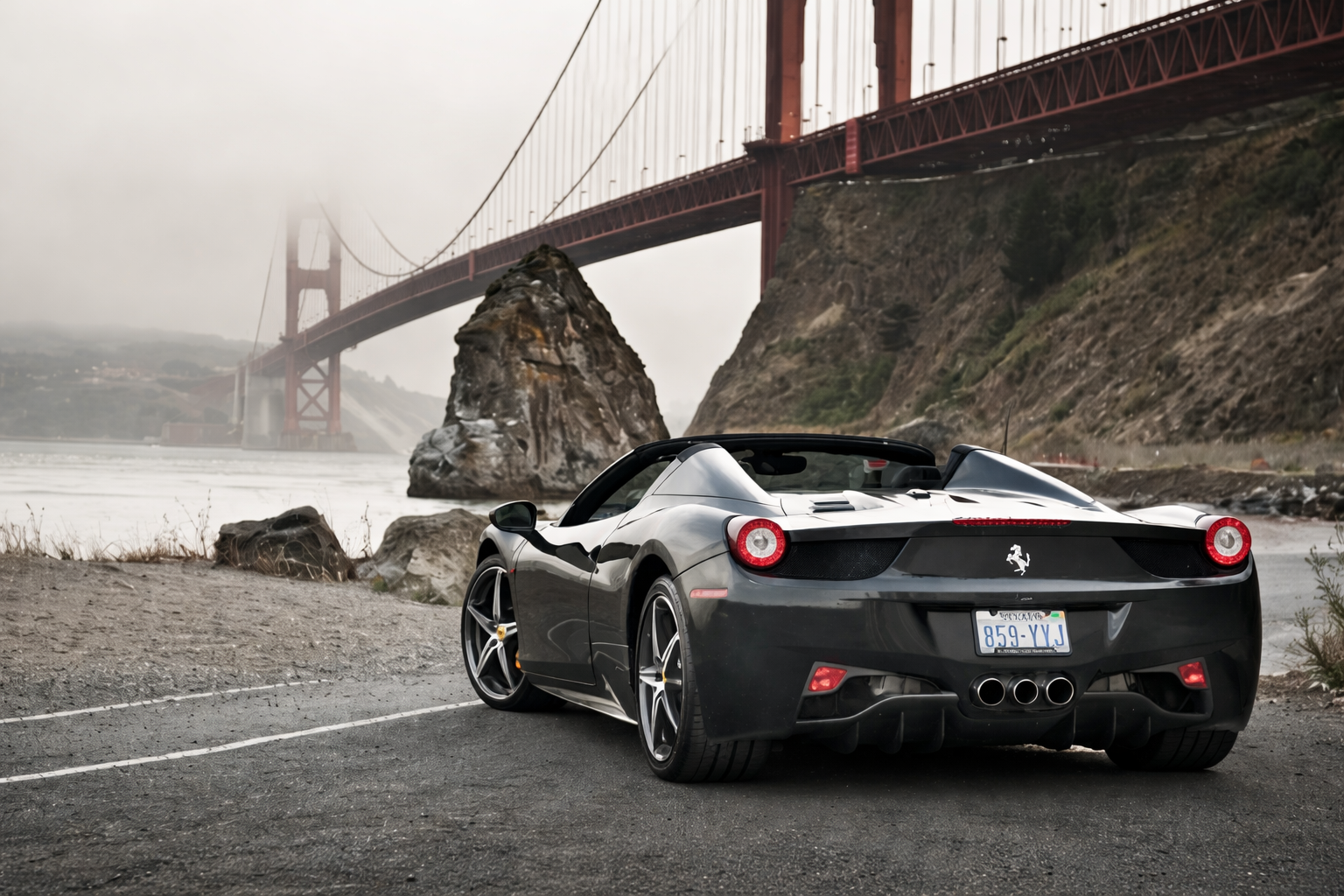
At prices that would buy a house in much of the United States, logic would suggest resistance. Instead, demand keeps rising. Vehicles that routinely exceed a quarter of a million dollars, often crest half a million, and in some cases stretch well into seven figures are leaving showrooms as fast as they can be built. The company behind those numbers, Ferrari, is not struggling to justify its price tags. The market is doing that for them.
Ferrari has quietly delivered the strongest sales performance in its history, not by chasing volume but by perfecting scarcity. Annual global deliveries now sit near record levels, even as prices climb higher with each model generation. This is not accidental. Ferrari tightly controls production, limits dealer allocations, and deliberately keeps demand ahead of supply. The result is a product that sells out before it ever reaches the showroom floor.
What this tells us about Ferrari is simple and revealing. Ferrari is no longer competing within the traditional automotive industry. It operates in the luxury goods economy, where perception, brand heritage, and exclusivity matter more than horsepower figures or production scale. Buyers are not comparing Ferrari prices to other cars. They are comparing them to private jets, yachts, rare watches, and collectible art.
This pricing power exists because Ferrari has successfully positioned its vehicles as assets of identity rather than transportation. For many buyers, ownership is not transactional. It is aspirational, emotional, and symbolic. Customization programs allow buyers to create vehicles that are effectively one of one, reinforcing both personal status and resale value. In that environment, higher prices do not deter demand. They reinforce it.
The broader economic signal is equally telling. While many households face tighter budgets, the top tier of consumers continues to spend aggressively. Ferrari’s performance reflects a global economy that is uneven, not uniformly weak. Wealth concentration has intensified, and high net worth individuals remain both liquid and confident. Luxury spending at this level is not driven by necessity or credit availability. It is driven by surplus capital seeking distinction.
This trend also speaks to consumer psychology. Luxury automobiles occupy a unique space among high end purchases. Unlike passive luxury goods, a Ferrari is visceral. It is mechanical, physical, and expressive in a world that is increasingly digital and intangible. That contrast appears to be fueling demand rather than diminishing it. For buyers who already own everything practical, a Ferrari offers something experiential and emotionally anchored.
Geographically, Ferrari’s success is not confined to one country. The United States remains its single largest market and a cornerstone of brand visibility. American buyers continue to associate Ferrari with the highest rung of automotive prestige, and demand remains strong despite rising interest rates and economic uncertainty. However, growth is global. Europe maintains steady demand, while Asia, particularly China, represents a growing share of future opportunity.
China’s importance lies not just in volume but in long term positioning. Ferrari has taken a disciplined approach there, resisting the temptation to flood the market. That restraint protects brand value and mirrors Ferrari’s broader strategy worldwide. It is willing to sell fewer cars rather than risk turning exclusivity into ubiquity.
Some observers have raised concerns about Ferrari expanding its lineup, adding a luxury SUV, hybrids, and preparing for an electric future. Traditionally, such moves might signal brand dilution. So far, that has not happened. Ferrari has managed expansion without sacrificing scarcity, largely because production limits remain firmly in place. New models are not increasing accessibility. They are broadening choice within the same elite customer base.
For American consumers watching from the outside, Ferrari’s performance reinforces a familiar truth. The name still carries enormous cultural weight. It remains synonymous with wealth, performance, and unattainability. That reputation has not faded with time or economic cycles. If anything, it has hardened.
Ferrari’s record sales at record prices offer a clear conclusion. Luxury demand at the highest level is not softening. It is becoming more concentrated, more deliberate, and more resilient. Ferrari is not selling cars despite their prices. It is selling them because of those prices. And as long as exclusivity remains a currency, the prancing horse will continue to command it.