


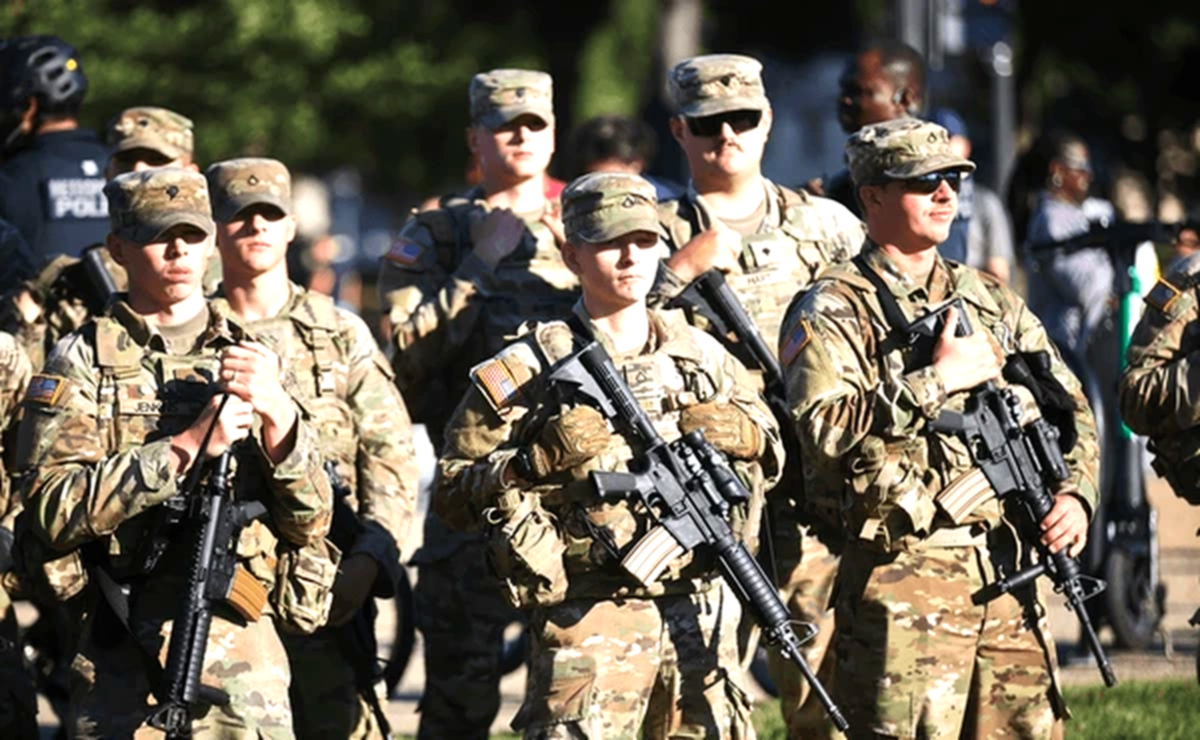
Debate over the balance of state and federal authority returned to the Capitol this week as the House approved legislation intended to reinforce state oversight of the Oregon National Guard and ensure military resources remain available for emergencies at home.
House Bill 4091 moved forward following heightened concern among state leaders after National Guard forces were deployed into Portland during the fall of 2025 under federal authority. Supporters of the proposal say the legislation is designed to clarify how and when Guard members may be mobilized while protecting the state’s ability to respond to disasters and public safety emergencies.
The measure focuses on defining the circumstances under which Oregon National Guard units may be placed under federal control without approval from the governor. Lawmakers backing the bill argue that clearer guardrails are needed to prevent deployments that could reduce the state’s readiness during wildfire season, earthquakes, severe weather events, or other crises requiring rapid response.
Rep. Shannon Isadore, one of the bill’s supporters, said the legislation reflects a planning-first approach centered on public safety. “The Oregon National Guard exists first and foremost to serve Oregonians in moments of crisis. This bill simply provides clarity and accountability so we are prepared at home before committing our Guard elsewhere. That’s responsible governing; planning ahead, protecting communities, and supporting the service members who step up for us every day.”
Under the proposal, participation in certain federal missions tied to law enforcement or immigration enforcement would be restricted without state consent. Supporters say the intent is not to challenge federal authority broadly but to ensure that deployments do not conflict with state responsibilities or undermine emergency preparedness.
The legislation also emphasizes maintaining sufficient Guard staffing levels within Oregon. Lawmakers cited recent wildfire seasons, increasing natural disaster risks, and the Guard’s longstanding role supporting communities during floods, storms, and public health emergencies as reasons to establish clearer operational limits.
Rep. Paul Evans, a veteran and legislator backing the measure, framed the bill as both a constitutional and service-member issue. “Our Guard troops should never be pulled into politically driven stunts, called up for missions that blur the lines, or leave Oregon exposed at home,” Evans said, adding that maintaining a clear chain of command and mission focus is essential to both readiness and morale.
Supporters argue that the legislation reflects lessons learned from previous federal deployments into local communities nationwide, where the use of military forces sparked debate about jurisdiction, public safety roles, and civil authority. The bill’s backers say ensuring coordination between state leadership and federal officials will reduce confusion and provide greater accountability moving forward.
Rep. Dacia Grayber emphasized the practical implications for residents across the state, noting that the National Guard often serves as one of Oregon’s most reliable emergency response resources. “Oregonians rely on the National Guard to protect their homes, our state land, and their loved ones during emergencies. House Bill 4091 ensures that Guard members are not deployed in ways that leave Oregon understaffed and vulnerable when disaster strikes,” Grayber said.
The measure now continues through the legislative process, where additional debate is expected over the balance between federal military authority and state emergency management needs. Supporters describe the bill as a preparedness effort shaped by recent events, while critics are expected to examine how the proposal aligns with longstanding federal command structures governing National Guard operations.
If enacted, this bill would establish new operational expectations intended to prioritize in-state readiness while preserving coordination between state and federal governments. For residents, the outcome could influence how quickly resources are available during emergencies and how military support is deployed within communities facing crisis situations.