


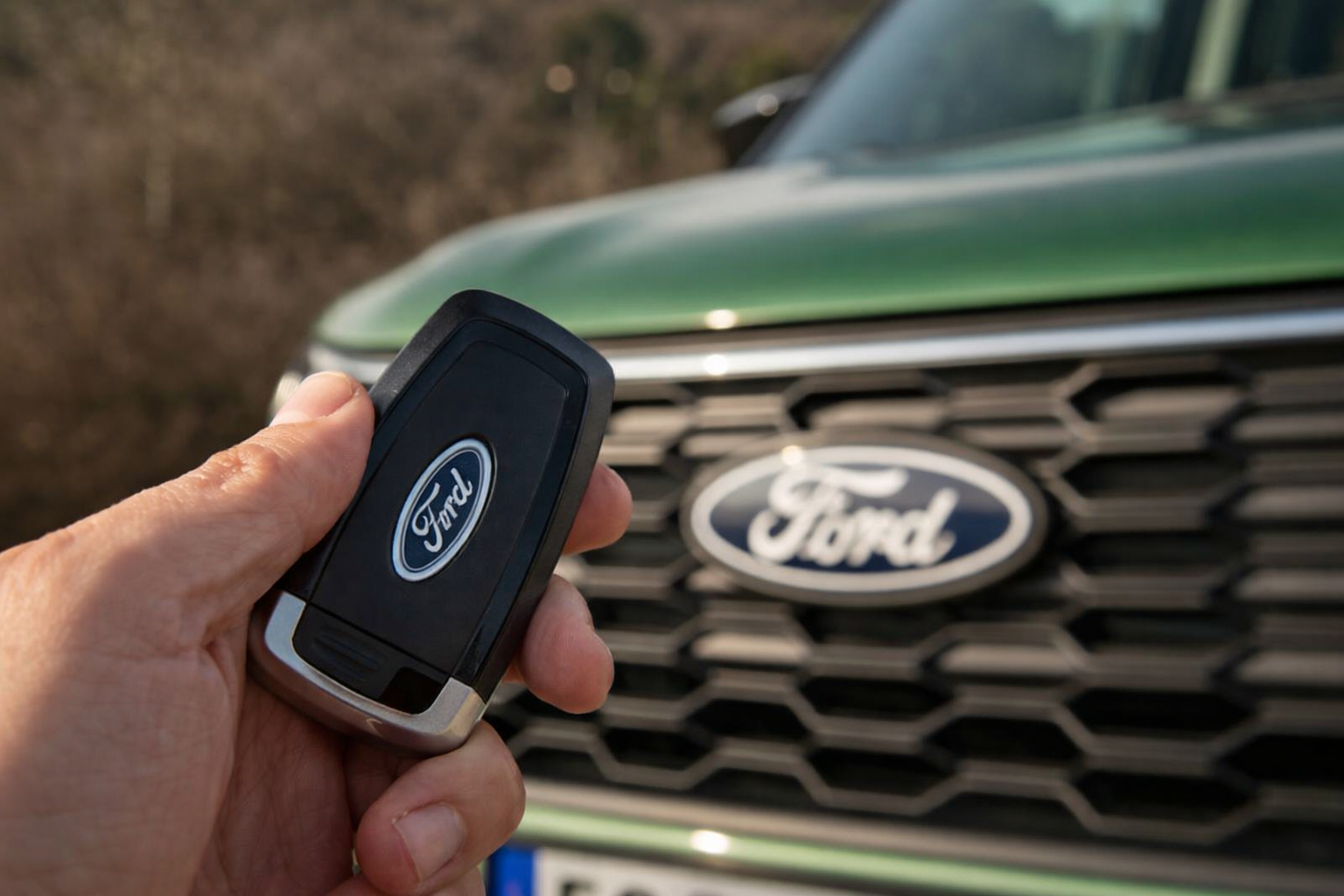
A vehicle recall is now underway across the United States, affecting approximately 1.4 million pickup trucks manufactured by Ford Motor Company. The action targets certain model years of the widely driven Ford F-150, raising fresh concerns about vehicle safety and long-term reliability in one of the country’s most popular work and family vehicles.
According to federal safety regulators and manufacturer disclosures, the recall applies primarily to F-150 trucks produced between 2015 and 2017 and equipped with a six-speed automatic transmission. These vehicles were built during a period when a now-identified defect in the transmission system could develop over time, particularly as components experience wear from heat and repeated use.
At the center of the issue is a malfunction tied to the transmission range sensor, a component responsible for relaying gear position information to the truck’s onboard computer system. When functioning correctly, the sensor helps ensure smooth shifting and proper communication between mechanical and electronic systems. In affected vehicles, however, degraded connections can cause the system to misinterpret signals, leading to sudden and unexpected downshifting into a lower gear.
That abrupt shift, most often into second gear, can happen without warning while the vehicle is in motion. The result may be a rapid decrease in speed, increasing the risk of losing control, particularly at highway speeds or in heavy traffic. Federal officials with the National Highway Traffic Safety Administration have classified the issue as a safety concern due to the potential for crashes linked to sudden deceleration.
Reports tied to the defect include at least one documented accident and multiple injuries, along with hundreds of complaints submitted by drivers over time. While such numbers represent a small fraction of the total vehicles affected, the scale of the recall underscores how even infrequent defects can have widespread implications when tied to high-volume models.
Ford has outlined a corrective plan aimed at resolving the issue without cost to vehicle owners. The primary fix involves updating the truck’s powertrain control module software to better handle faulty signals from the transmission system. In cases where physical wear has already damaged internal components, technicians may replace parts of the transmission lead frame assembly to restore proper function.
Owners of affected trucks are being notified by mail in phases, with initial notices already underway. A second round of communication is expected to follow once parts availability and repair scheduling are fully coordinated across dealerships. Until then, drivers who suspect their vehicle may be included are encouraged to take proactive steps.
The most direct way to confirm whether a specific truck is part of the recall is by locating the vehicle identification number and entering it into official databases. Ford maintains a recall lookup tool through its customer service website, while the National Highway Traffic Safety Administration offers a public VIN search system at nhtsa.gov/recalls. Both platforms allow owners to quickly determine recall status and identify next steps.
For those who prefer to speak directly with a representative, Ford customer service can be reached at 1-866-436-7332, where agents can assist with recall verification and scheduling. Local dealerships also remain a primary point of contact and are equipped to perform inspections and repairs once vehicles are brought in.
The recall arrives at a time when automakers across the industry are facing increased scrutiny over quality control and long-term durability. For Ford, the situation carries added weight given the F-150’s status as a top-selling vehicle in the United States for decades. Millions of drivers rely on the truck for daily transportation, commercial work, and rural travel, amplifying the importance of timely and effective repairs.
Despite the scale of the recall, industry experts note that such actions are a standard part of modern automotive oversight. Identifying defects and issuing repairs through coordinated recalls remains one of the primary mechanisms for maintaining safety across a vast and aging vehicle fleet. In this case, the issue appears to develop gradually rather than presenting an immediate failure in new vehicles, making early detection and repair especially important.
For drivers, the takeaway is straightforward. If an affected vehicle is repaired promptly, the risk tied to the defect can be significantly reduced or eliminated. Ignoring recall notices, however, leaves the problem unresolved and increases the chance of a dangerous incident on the road.
As notifications continue to reach mailboxes nationwide, owners of mid-2010s F-150 trucks are being urged to check their status and schedule service as soon as possible. In a recall of this magnitude, awareness and follow-through may prove just as important as the fix itself.