


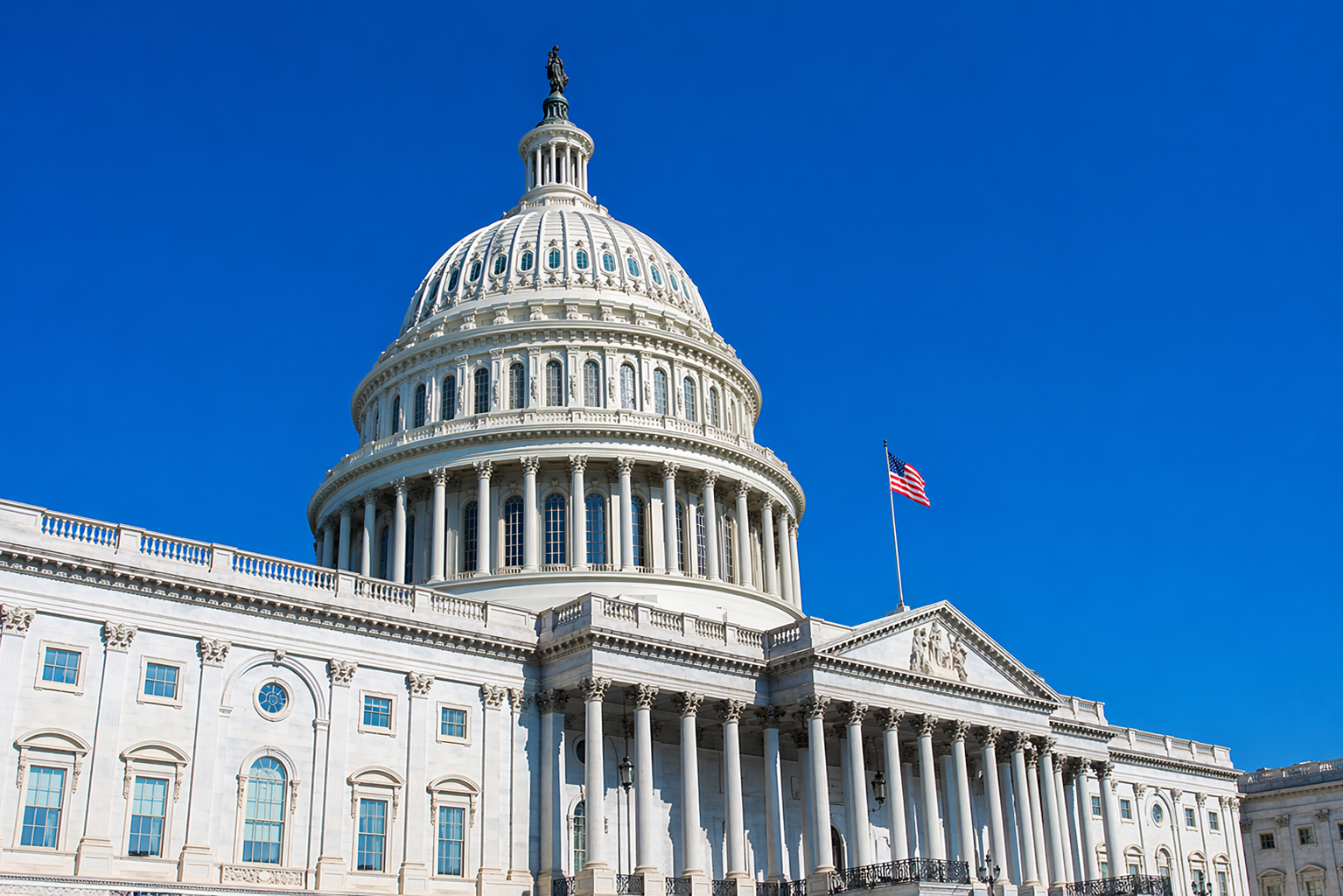
A late-night series of votes in the U.S. Senate has set the stage for a major shift in federal spending priorities, advancing a pathway for roughly $70 billion in immigration enforcement funding while rejecting a competing set of proposals aimed at lowering everyday costs for American households.
The votes took place during an extended amendment session that stretched into the early morning hours of April 23, a legislative process commonly used to test policy priorities within a broader budget framework. By the end of the session, the Senate had approved a budget resolution that allows the majority party to move forward with spending legislation under reconciliation rules, bypassing the traditional 60-vote threshold required to overcome a filibuster.
The resolution itself does not allocate funding directly, but it establishes the parameters for future legislation. In this case, it creates a clear procedural path for Republicans to pursue billions of dollars in new funding tied to immigration enforcement, including border security operations, personnel expansion, and infrastructure.
Supporters of the measure argue that the funding is necessary to address ongoing challenges at the southern border, where federal agencies have reported sustained operational strain. They contend that additional resources are needed to manage migration flows, enforce existing laws, and stabilize a system they say has been under increasing pressure.
At the same time, the Senate rejected a series of Democratic-backed amendments that focused on reducing the cost of living. Those proposals were designed to influence future policy by creating reserve funds and legislative safeguards aimed at lowering prices for fuel, groceries, health care, and school meals, while also seeking to prevent reductions in food assistance programs.
None of the cost-focused measures secured enough support to be included in the final budget framework. Most were defeated along party lines, reflecting a broader divide over how federal resources should be prioritized at a time when both economic pressures and immigration concerns remain at the forefront of national debate.
The outcome highlights a fundamental disagreement between the two parties. Republicans have emphasized border security as an immediate priority, arguing that enforcement funding must be addressed before other policy goals can be effectively pursued. Democrats, meanwhile, have pushed for a more balanced approach that includes direct efforts to ease financial strain on households facing rising costs.
The budget resolution also carries broader implications for how legislation may move through Congress in the coming months. By unlocking the reconciliation process, the Senate has created a mechanism that allows certain spending and policy measures to pass with a simple majority vote. That procedural advantage is expected to play a key role as lawmakers begin drafting the detailed legislation that will determine how the proposed funding is ultimately used.
While the current framework centers on an estimated $70 billion in immigration-related spending, discussions in Washington have included higher funding levels as part of longer-term planning for border security and enforcement operations. Those figures remain subject to change as the legislative process continues.
Attention now turns to the House of Representatives, where lawmakers will consider their own version of the budget framework. Any final agreement will require alignment between both chambers, a process that could introduce additional negotiations and revisions before legislation is finalized.
For now, the Senate’s actions provide a clear indication of the direction federal budget discussions are taking. Immigration enforcement funding has moved to the forefront, while efforts to address consumer costs have been set aside, at least in this phase of the process.
The coming weeks are expected to bring further debate as lawmakers work to translate the budget outline into actionable policy. The decisions made during the overnight session mark an early but significant step in what is likely to be a prolonged and closely watched legislative effort.