


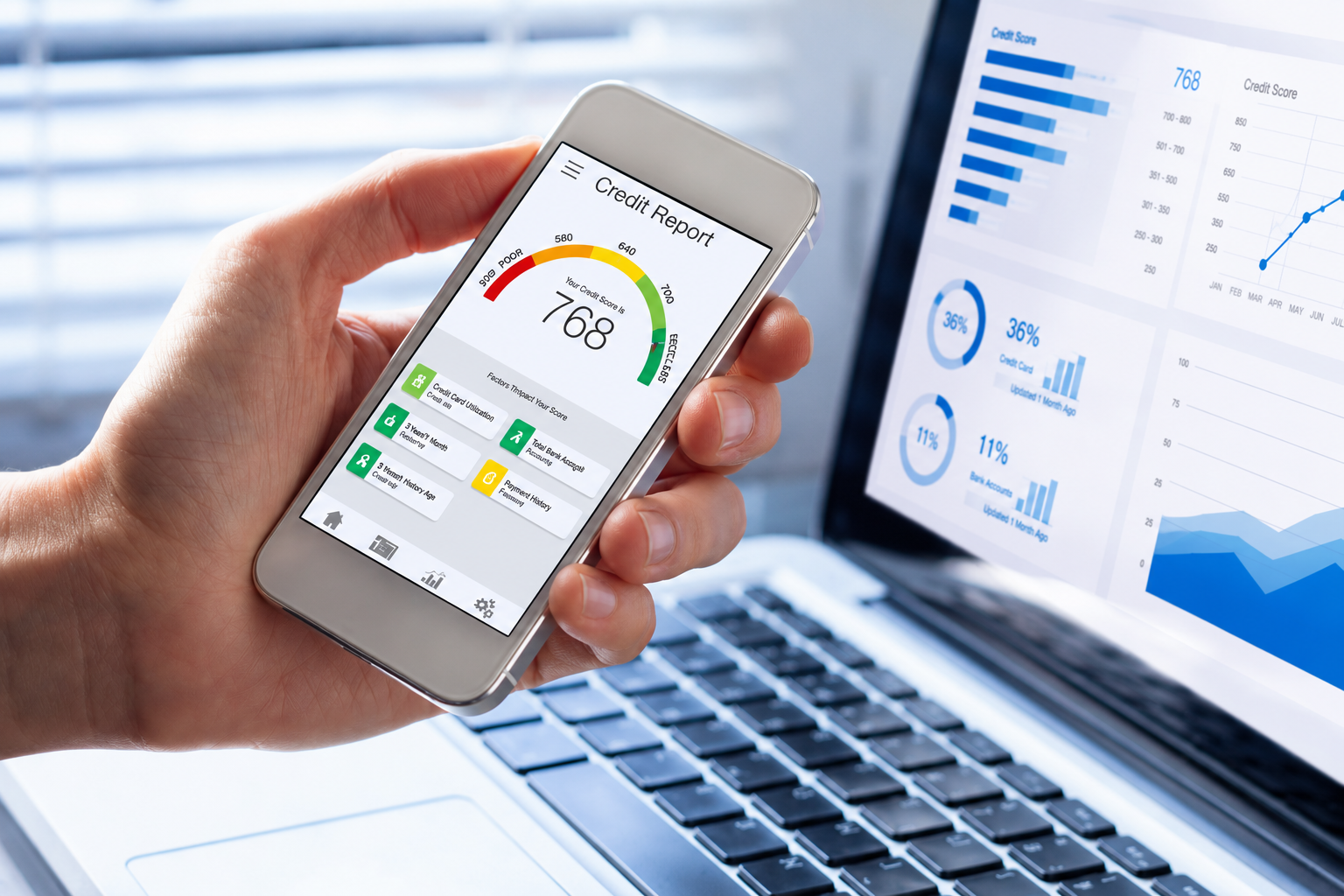
For millions of Americans, keeping an eye on their credit score has become a routine part of managing personal finances. Smartphone alerts, weekly score updates, and real-time monitoring services promise consumers a clearer view of their financial standing. Yet many users find themselves puzzled when their scores appear to rise and fall dramatically from one week to the next despite making responsible financial decisions.
Financial experts say that much of this confusion stems from the growing popularity of credit monitoring platforms that provide score estimates rather than the exact scores lenders may use when evaluating loan applications.
One of the most common sources of misunderstanding involves the difference between educational credit scores provided through consumer monitoring services and the scoring models used by banks, mortgage lenders, and auto financing companies. While credit monitoring platforms often provide valuable insight into a consumer’s credit profile, the scores displayed are frequently based on different formulas than those used in actual lending decisions.
As a result, consumers may observe significant fluctuations in their reported score even when their overall financial health remains largely unchanged.
Credit utilization is one of the primary factors contributing to these swings. Utilization refers to the percentage of available credit currently being used. A consumer with a $10,000 credit limit and a $500 balance would have a utilization rate of five percent. If that same consumer temporarily charges $3,000 to the card before paying it off, utilization rises substantially until the next payment is reported.
Many monitoring services react immediately when a higher balance appears on a credit report. A score may decline noticeably after the balance is reported, triggering alerts and warnings that can create concern among consumers. However, the increase may represent nothing more than a temporary spending cycle rather than a meaningful deterioration in financial responsibility.
What often frustrates consumers is that the decrease can appear instantly, while the recovery may take longer to become visible. Credit card issuers typically report balances to credit bureaus on periodic schedules rather than in real time. Even after a balance is paid in full, it may take several weeks before updated information reaches all reporting agencies and scoring systems.
The result is a perception that scores fall rapidly but recover slowly.
Industry analysts note that many score fluctuations are based on temporary snapshots rather than long-term financial trends. A consumer who consistently pays bills on time and maintains responsible credit habits may experience short-term score changes without any lasting impact on overall creditworthiness.
The business model behind many free credit monitoring services also contributes to the heightened attention placed on score movement. These platforms often generate revenue by offering consumers financial products such as credit cards, personal loans, refinancing opportunities, identity protection services, and other financial tools. Frequent notifications and score updates encourage users to engage with the platform regularly and review available offers.
While there is nothing inherently improper about this approach, financial educators caution that consumers should understand the distinction between monitoring activity and actual lending decisions. A fluctuating score displayed on a monitoring application does not necessarily indicate that a person’s ability to qualify for credit has materially changed.
Instead of focusing on daily or weekly movements, experts generally encourage consumers to pay closer attention to the factors that carry the greatest long-term influence. Consistent on-time payments, responsible credit utilization, maintaining older accounts, and avoiding excessive new debt remain among the most important indicators of credit health.
Credit monitoring services can provide useful information and early warning signs of potential fraud or reporting errors. However, understanding how those scores are calculated and why they sometimes move unexpectedly can help consumers place daily fluctuations in proper context.
For many Americans, the number displayed on a mobile phone screen may be changing from week to week. The broader financial picture, however, often remains far more stable than those fluctuations suggest.