


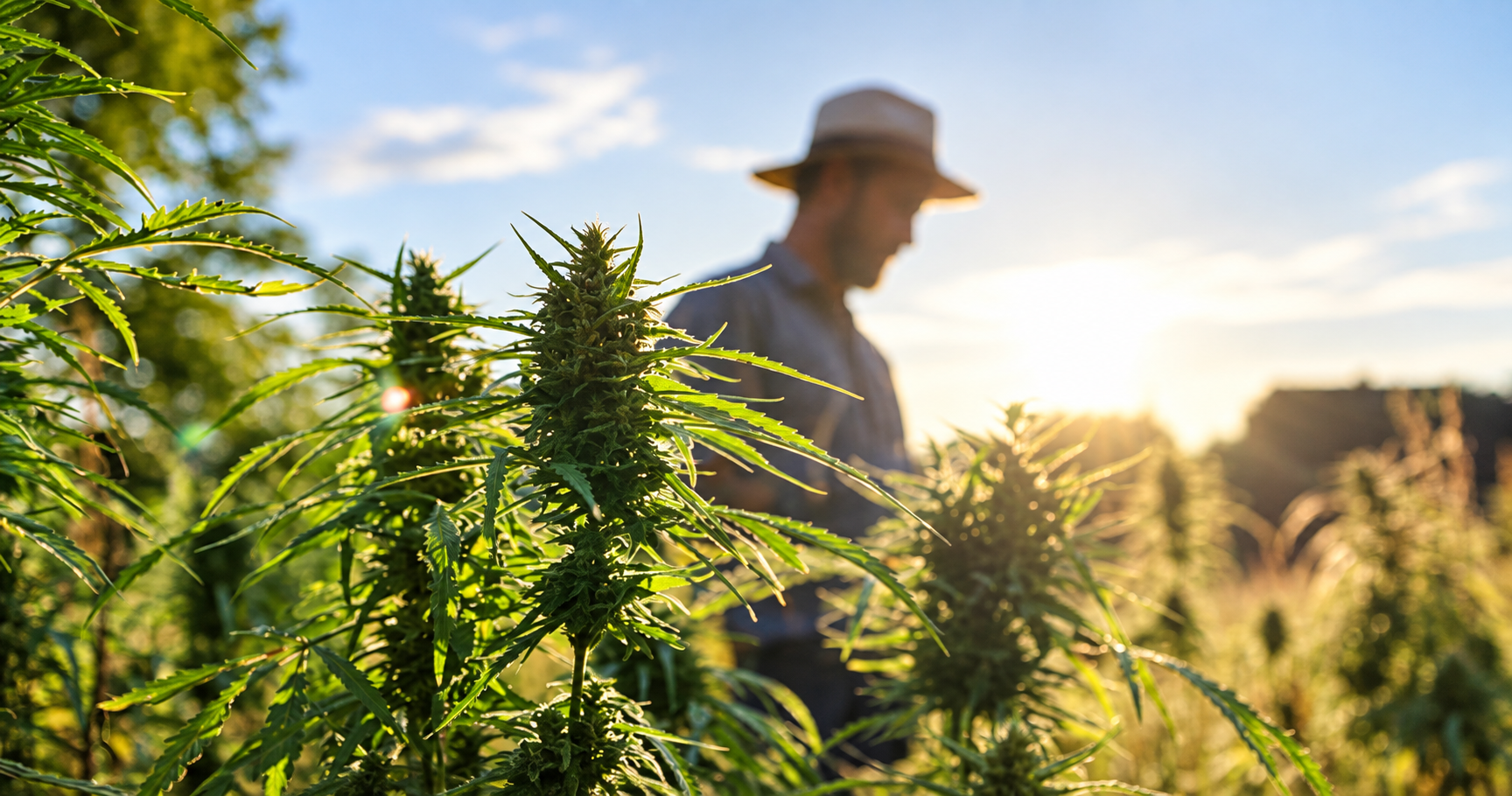
Oregon hemp businesses are approaching a November deadline that could remove a substantial share of hemp-derived products from the market. A federal law scheduled to take effect Nov. 12 changes which cannabis products qualify as hemp, creating immediate questions for manufacturers and retailers and longer-term uncertainty for growers supplying them.
The change reaches beyond products marketed for their intoxicating effects. Under the new federal definition, a finished hemp-derived cannabinoid product cannot contain more than 0.4 milligrams of total THC per container and remain within the hemp category. The law also changes how THC is considered in hemp and excludes certain cannabinoids created or altered through chemical processes. Products that satisfy Oregon’s current rules may therefore fail to qualify as hemp under federal law when the change takes effect.
For an Oregon manufacturer, the amount in the entire package is consequential. A beverage, bottle of tincture or bag of gummies must be evaluated as a container, rather than solely by the amount in one serving. CBD products may also be affected if they contain enough THC to exceed the federal limit. Whether a particular item can stay on the market will depend on its ingredients, laboratory results and how federal agencies apply the new definitions.
The Oregon Department of Agriculture has told hemp licensees that its program continues under existing state laws and rules during the transition. The department expects federal agencies to provide further direction before it determines what changes Oregon’s federally approved hemp program may require. It has identified possible changes to testing, disruption for products above the container limit and, depending on future federal instructions, consequences for crops tested before harvest. None of those possible crop consequences has been announced as an immediate new requirement for Oregon growers.
Southern Oregon’s exposure begins with the businesses that cultivate hemp, process it and sell finished goods. A grower in Josephine or Jackson County could meet the requirements for the current season and still face a smaller pool of buyers if processors lose a market for products made from that crop. A processor with inventory intended for national distribution faces a different calculation: whether its existing formulas and packaging will qualify after Nov. 12. Retailers in Grants Pass, Medford and surrounding communities may have to replace affected products as suppliers make those decisions.
The scale of that exposure has not been established. Oregon publishes lists of licensed hemp growers, grow sites, handlers and vendors, but those records do not show how much revenue each operation earns from products above the coming federal limit. There is no verified dollar figure for losses in Jackson County, Josephine County or Southern Oregon as a whole. Nor does the federal change establish that every local hemp farm will close or every CBD product will disappear.
Oregon consumers already encounter hemp products under state rules that differ from those governing marijuana dispensaries. Most cannabinoid hemp products sold to consumers in the state must be registered with the Oregon Liquor and Cannabis Commission and carry labels that meet its requirements. The registry includes products sold online as well as in stores, covering items such as gummies, beverages, tinctures, capsules and smokable flower. Oregon began enforcing those registry requirements in June. Hemp grain and fiber products without cannabinoids, along with topical-only items, are outside that particular registration requirement.
Those state controls do not resolve what happens when the narrower federal definition takes effect. Oregon agriculture officials have raised the possibility that some products could move into the state’s regulated adult-use cannabis system, but that outcome has not been established for individual products. Federal guidance and any subsequent state rule changes will determine much of the path ahead.
For Southern Oregon, the economic effect will become clearer at the point where the new threshold meets actual business records: the products companies make, the contracts growers hold and the stock retailers carry. Until those figures are available, the confirmed development is a major change in federal eligibility arriving Nov. 12, with Oregon’s hemp supply chain preparing for rules that may leave many of its current products outside the federal hemp market.