


Oregon drivers are at the center of an expanding national debate over who can collect information about where Americans travel, how they drive and what happens to that information after it enters corporate or government databases, as U.S. Sen. Jeff Merkley advances two federal proposals aimed at vehicle-generated data and artificial intelligence-powered surveillance networks.
The Oregon Democrat reintroduced the Car Privacy Rights Act on Oct. 2 while also joining Sen. Bernie Sanders of Vermont and Rep. Alexandria Ocasio-Cortez of New York on separate legislation targeting automatic license-plate reader systems. Neither proposal is federal law, and both would require congressional approval before taking effect.
For Oregon residents, however, the debate is already closer to home than the congressional legislation might suggest. Oregon has enacted its own consumer privacy protections covering personal information collected through motor vehicles, while state law now prohibits the sale of precise geolocation information belonging to Oregon consumers.
Merkley’s Car Privacy Rights Act addresses the enormous volume of information produced by modern connected vehicles. Cars increasingly operate as rolling computer networks capable of collecting information about location, speed, braking, acceleration and other driving activity. Connected applications and subscription services can expand that digital record further.
Under the proposed federal legislation, automobile manufacturers and other covered entities generally would be prohibited from sharing or selling information collected from a consumer through a vehicle unless the consumer receives clear notice and expressly agrees to the transfer.
The proposal would also require manufacturers to provide mechanisms allowing consumers to revoke permission through websites, applications and direct mail.
Automobile manufacturers and insurance companies would be required to submit annual reports to the Federal Trade Commission detailing their vehicle-data practices, including what information they collect, why they collect it and the entities receiving that information. The FTC would report its findings to Congress.
The legislation also addresses vehicle applications capable of revealing a car’s location. Such technology can create safety concerns when another person retains access to an account associated with the vehicle. The measure would direct the FTC to work with the Federal Communications Commission and National Highway Traffic Safety Administration on protections involving vehicle geolocation applications and domestic violence.
Federal regulators have already confronted vehicle-data practices through existing consumer-protection authority. The Federal Trade Commission finalized an enforcement order involving General Motors and OnStar in January following allegations that precise geolocation and driving-behavior information had been collected and sold without adequate notification and affirmative consent.
Oregon has moved separately through state law.
The Oregon Consumer Privacy Act originally took effect for covered businesses in July 2024 and has since been expanded. Since September 2025, automobile manufacturers and certain affiliated companies processing personal information obtained through an Oregon consumer’s use of a vehicle fall under the state privacy law regardless of how many Oregon customers they serve.
Additional protections took effect Jan. 1. Oregon now prohibits covered businesses from selling precise geolocation information belonging to Oregon consumers. State law defines that information as location data capable of identifying a person within a radius of 1,750 feet and applies the protection to both current and historical location information.
Oregonians also possess state-law rights to obtain information about personal data collected about them, request corrections or deletion, receive copies of certain information and opt out of specified data practices. Automobile privacy is therefore already a matter of Oregon law even while Congress considers whether additional nationwide requirements should be imposed.
Merkley’s second proposal approaches vehicle privacy from the opposite side of the camera.
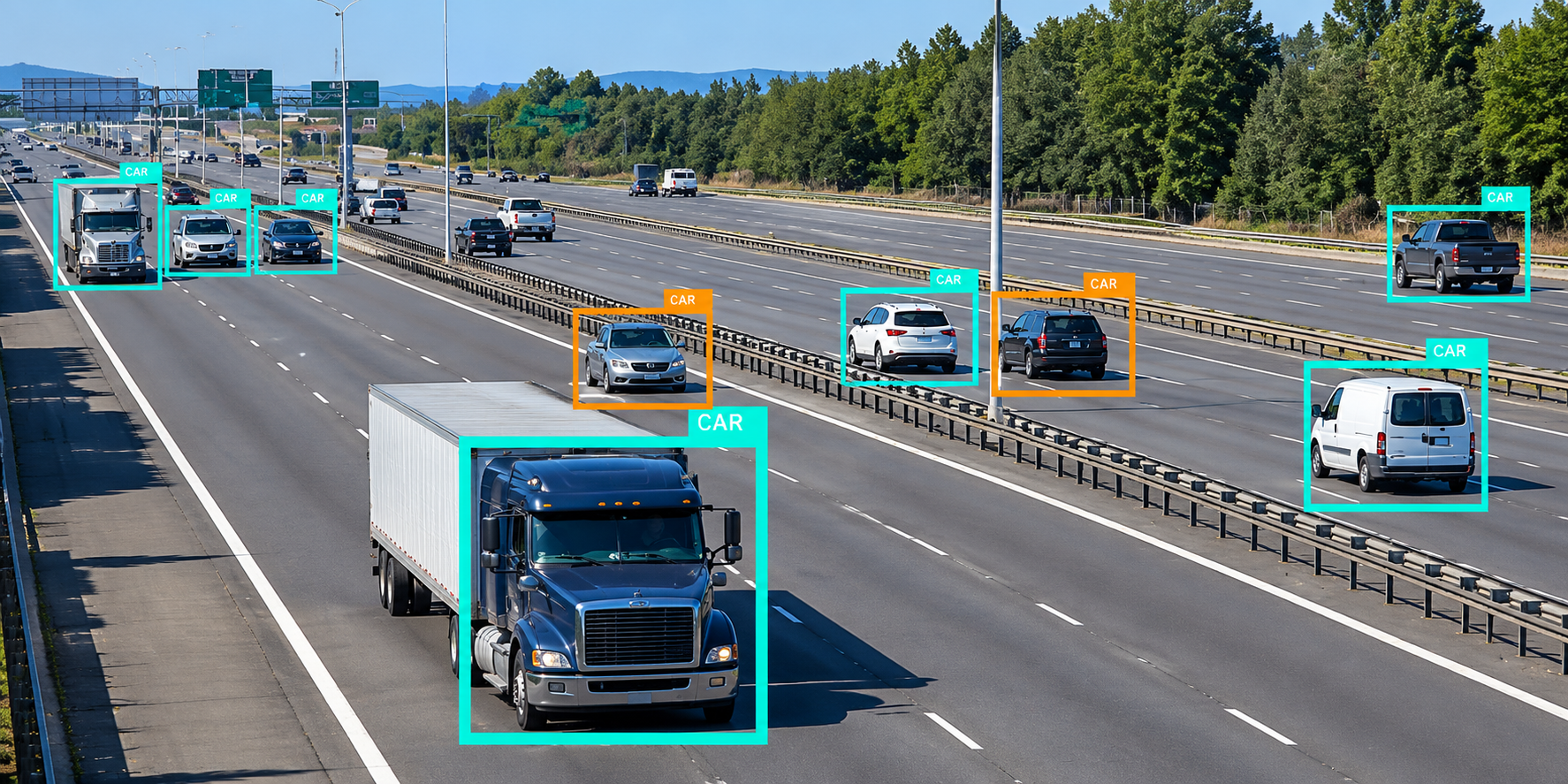
The Ban Flock Act addresses automatic license-plate readers, commonly known as ALPRs. These systems use roadside or other cameras to capture license plates and associated information such as location and time. Large networks can make those records searchable across multiple jurisdictions.
The legislation would prohibit federal agencies from using automatic license-plate readers or accessing information collected by them. It would also restrict federal grant funding to state and local governments that continue using the systems or contracting with companies providing them.
Despite the legislation’s name, its restrictions are written more broadly than a prohibition directed solely at Flock Safety. The proposal addresses automatic license-plate reader technology generally.
That provision could eventually produce the most significant consequences for Oregon cities, counties and law-enforcement agencies if Congress approves the measure in its present form. Local governments using ALPR technology could face a decision between continuing those systems and maintaining eligibility for affected federal funding.
For Southern Oregon, the issue reaches beyond the politics of Washington.
Residents of Grants Pass, Medford and surrounding communities increasingly drive vehicles equipped with connected navigation, emergency-response, entertainment and manufacturer applications capable of generating extensive digital information. At the same time, police agencies nationally have adopted increasingly sophisticated vehicle-identification technology as a tool for locating stolen vehicles, identifying suspects and investigating crimes.
The political argument developing in Congress therefore involves competing public interests rather than technology alone: the usefulness of digital information to public safety and commerce against the ability of governments and corporations to construct detailed records of ordinary Americans’ movements.
The issue has also produced unusual ideological overlap in Washington. Republican Sen. Josh Hawley of Missouri has advanced separate legislation seeking restrictions and safeguards for automatic license-plate readers, while Republican Rep. Thomas Massie of Kentucky has introduced another proposal involving federal support for surveillance technology. The competing bills differ substantially in approach, but their emergence from different sides of Congress indicates that vehicle surveillance and location privacy are no longer confined to one political constituency.
For Oregon, the immediate legal landscape remains unchanged by Merkley’s Oct. 2 actions. Oregon’s existing consumer privacy statutes remain in effect, police agencies remain governed by current federal, state and local requirements, and neither congressional proposal creates new obligations unless it passes Congress and becomes law.
What has changed is the position of vehicle data in the national political conversation.
A modern automobile can simultaneously function as transportation, an internet-connected device and a generator of detailed information about its owner. Cameras outside the vehicle can create another record of the same journey. Merkley’s two proposals place both streams of information before Congress and raise a question Oregon has already begun addressing through state law: how much of a person’s movement should become permanent, transferable or searchable data simply because that person got behind the wheel.