


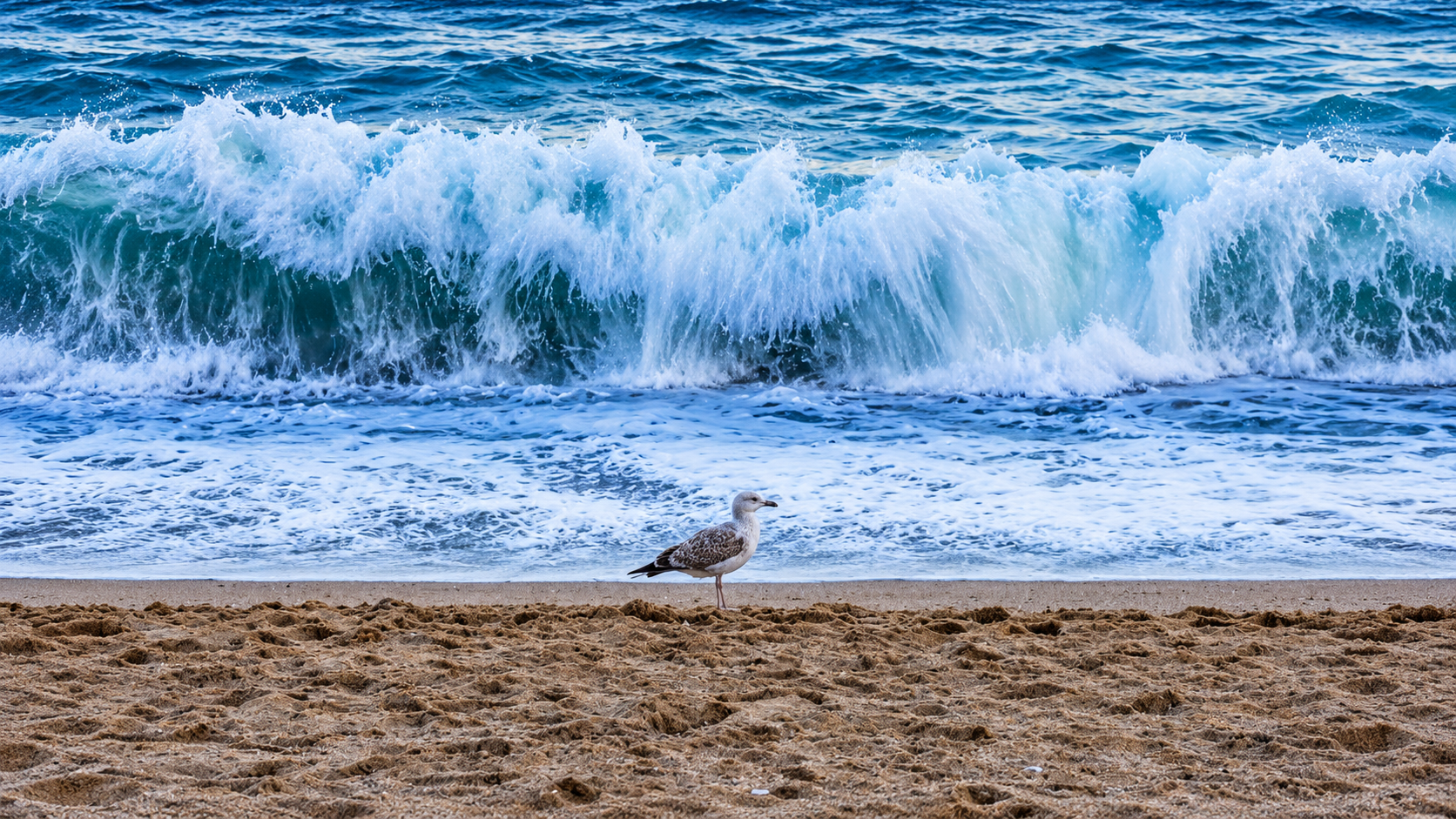
A high risk of sneaker waves threatens Southern Oregon beaches through Monday evening, November 2, as powerful Pacific swells bring the potential for sudden surges across sand, shoreline rocks and jetties in Douglas, Coos and Curry counties.
The National Weather Service issued a Beach Hazards Statement beginning at 7 p.m. Sunday, November 1, covering a stretch of coastline that includes Brookings, Gold Beach and other popular coastal destinations. Residents and travelers face hazardous shoreline conditions as waves reach farther inland than the smaller waves preceding them, potentially knocking people down and pulling them into the ocean.
The danger extends to people walking on beaches or standing near the surf. A sudden surge can overtake dry sand, wash across rocks and jetties, and move large pieces of driftwood. Waterlogged logs can roll or shift with enough force to crush or trap someone standing nearby.
A long-period west-northwest swell, originating near the western Aleutian Islands, is driving the hazardous conditions. The swell is combining with smaller northwest and south-southwest swells as it reaches the Oregon coast.
Sunday’s forecast called for the incoming swell to build to approximately 4 to 6 feet with a 19-second interval between waves overnight, then reach approximately 8 to 10 feet with a 17-second interval Monday afternoon. Forecasters identified late Sunday night through Monday, particularly during incoming high tides, as the period of greatest concern.
Those measurements describe the swell offshore. The distance water travels up an individual beach depends on shoreline conditions and the waves arriving there. Long-period swells carry energy that can send water substantially beyond the reach of preceding waves, leaving little time for someone near the shoreline to escape.
The ocean may appear relatively quiet before a dangerous wave arrives. Smaller waves can continue for 10 to 20 minutes before a sneaker wave surges ashore. That lull can leave beachgoers unaware of the distance the next powerful surge may travel.
National Weather Service safety guidance identifies the potential for sneaker waves to push at least 150 feet onto dry beach. People standing beyond the wet sand can still be exposed, particularly where steep terrain, cliffs or other obstacles restrict an escape route.
Cold Pacific water adds to the danger for anyone swept off their feet. Immersion can rapidly impair movement and make it harder to regain footing or return to shore. A wave’s retreat can pull a person seaward while sand and gravel carried into clothing add weight and hinder movement.
Oregon State Parks warns that sneaker waves are powerful enough to knock adults down. Its coastal safety guidance also identifies driftwood as a serious hazard because logs absorb water and can weigh several tons. Ocean water can lift or roll even heavy logs that appear firmly settled on the beach.
Incoming tides create additional risks at secluded beaches and tide pools. Water can cover access routes and leave visitors stranded against cliffs or separated from the path they used to reach the shore. Slippery rocks and unstable coastal bluffs further limit safe movement.
The Beach Hazards Statement directs people to remain out of the water and avoid climbing on shoreline rocks and jetties. Residents and visitors should stay well away from the surf and driftwood, keep the ocean in view and use established coastal viewpoints away from wave exposure. Marked trails, fences and other barriers should be observed.
For inland residents traveling to Brookings, Gold Beach or other coastal communities Monday, the alert affects plans that involve approaching the shoreline, including beach walks, tide-pool exploration and photography near breaking waves. Smaller waves or a temporary lull do not signal that the hazard has passed.
Forecasters expected the swell period to shorten Monday night and into Tuesday, reducing the sneaker wave risk. The Beach Hazards Statement remains scheduled through Monday evening, and coastal travelers should check for updated conditions before entering beach access areas.