


For decades New Balance occupied a near legendary place in the wardrobes of runners and gym goers across Oregon. The brand’s reputation for durability, support and dependable construction made it a trusted companion for everything from weekend jogs along the Rogue River to long training sessions on local gym floors. Many athletes stayed with the company for years because its shoes held up under the predictable torture of daily use. That sense of reliability, however, has begun to erode for some longtime customers who are now seeing problems that were once unthinkable from the brand they relied on.
The most frequent concern comes from the soles of recently manufactured New Balance models. Runners have reported that the soles of certain shoes separate from the body of the shoe far earlier than expected. What used to require heavy miles and years of wear now seems to occur within months for some pairs. This failing adhesive or weakened bond between sole and upper has disappointed seasoned runners who expect more from a brand built on the promise of durability. Attempts to reach customer service have been equally frustrating for some who have waited on hold for hours without receiving meaningful help or explanation.
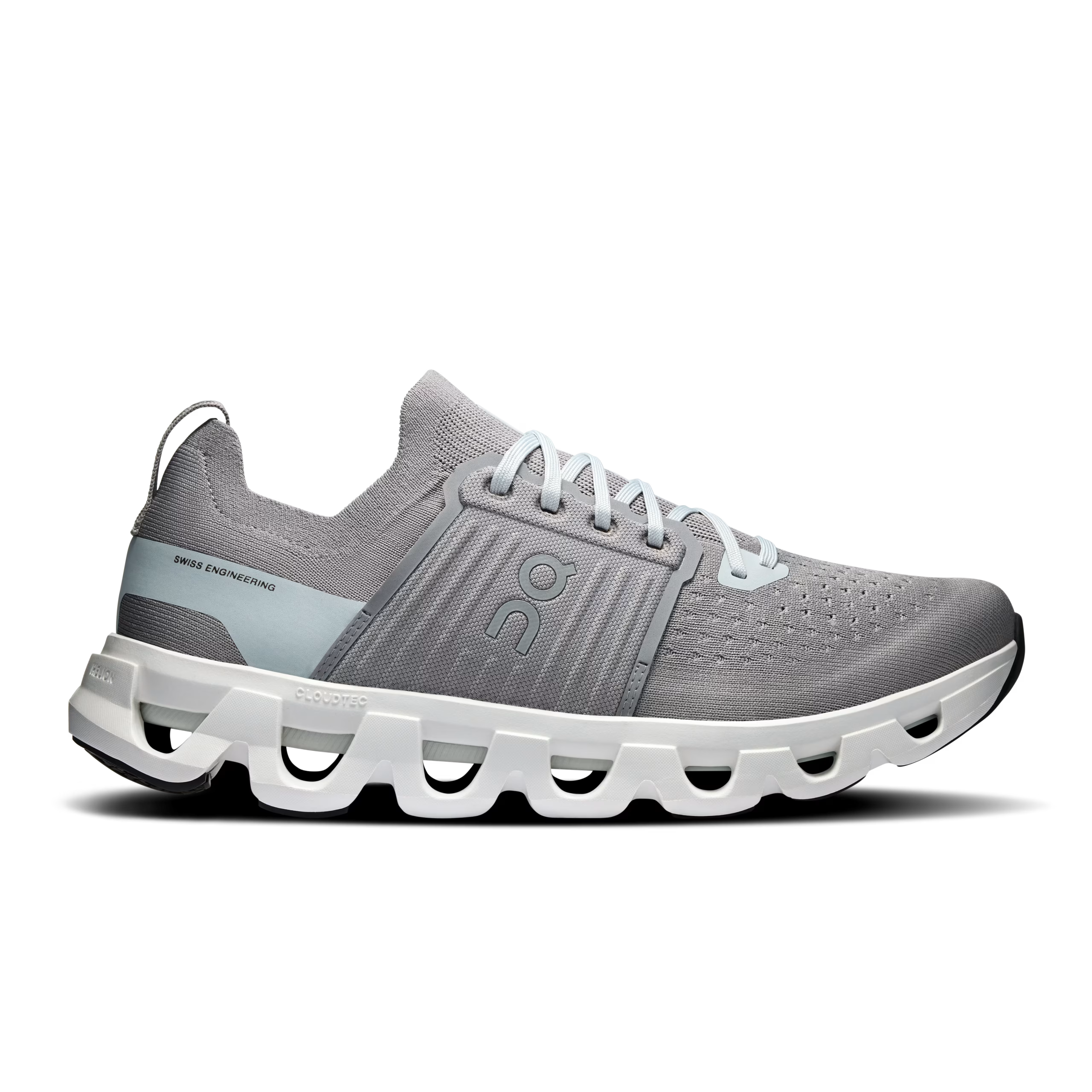
These experiences stand in contrast to what many runners have discovered after switching to On Cloud, a Swiss brand that rose to prominence in the last decade. On Cloud entered the market with a distinctive design focused on responsive cushioning and structured stability. While the price is undeniably higher than many mainstream running shoes, users point to consistent quality as justification for the investment. The soles remain firmly intact even under heavy mileage, the arches hold their shape and the material retains its support over time. For runners who depend on their footwear to endure repeated impacts, these qualities matter more than sleek styling or trend driven branding.
The difference between the two companies becomes more pronounced when comparing long term performance. New Balance once boasted a reputation for longevity that seemed unshakable. In recent years, however, the decline in reliability for some models has created a gap in trust that is not easily repaired. On Cloud has moved into that gap with a product that appears engineered for athletes who expect consistency at every step. The shoes handle pavement, gravel and treadmill use without the early breakdowns that have frustrated some New Balance loyalists.
In Southern Oregon, where outdoor fitness is woven into everyday life footwear is more than an accessory. It is a tool that must withstand rain-soaked sidewalks, Rogue Valley heat and uneven rural terrain. When a shoe fails prematurely it interrupts routines and erodes confidence. For individuals who have tested both brands repeatedly the conclusion has become clear. On Cloud is currently delivering the durability and responsiveness that runners once took for granted in New Balance. Though New Balance still offers a wide range of models and continues to innovate, the recent dip in quality control raises questions about the brand’s direction.
For runners contemplating a change it may be worth exploring the newer contender on the market. On Cloud has demonstrated that it can handle the demands of regular training without the structural failures reported elsewhere. In a region where every step matters the right shoe can make all the difference and for many that next step is no longer taken in New Balance.