


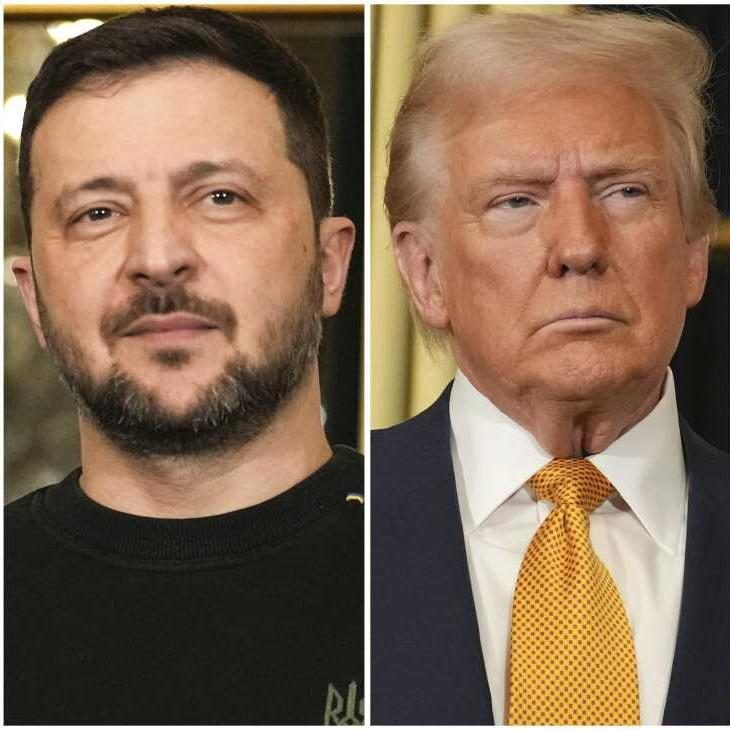
President Donald Trump’s highly anticipated meeting with Russian President Vladimir Putin in Alaska ended Friday without a formal agreement to halt the ongoing war in Ukraine. While both leaders described their discussions as constructive, the lack of a ceasefire drew swift criticism from international observers and left the spotlight shifting to Ukrainian President Volodymyr Zelenskyy’s scheduled visit to Washington on Monday.
The summit, held at Joint Base Elmendorf-Richardson in Anchorage, marked Putin’s first visit to the United States in more than a decade. The occasion was heavy on symbolism, featuring a red-carpet reception, military displays including F-22 fighter jets and a B-2 bomber flyover, and a short press conference afterward. Trump praised his Russian counterpart as someone with whom he had built a “fantastic relationship,” while Putin spoke vaguely of new “agreements” and a desire to “turn the page” in relations with Washington.
Despite the fanfare, the roughly three-hour meeting produced no signed documents or immediate policy shifts. Trump acknowledged that “there’s no deal until there’s a deal,” adding that he and Putin had agreed to pursue negotiations aimed not only at a ceasefire but at what he described as a “Peace Agreement” to bring the conflict to a definitive close. The president offered no details on what such an accord would entail, or what concessions either side might be expected to make.
Following the summit, Trump appeared on Fox News to emphasize that Ukraine must play a direct role in shaping the outcome. “Now it’s really up to President Zelenskyy to get it done,” Trump said, suggesting that a future trilateral meeting involving the United States, Russia, and Ukraine could take place in the near future. He signaled his intention to attend, but no timing or location has yet been confirmed.
Trump also held a multilateral phone call Friday evening with several European leaders, including Zelenskyy, to brief them on the discussions. According to White House aides, the call reaffirmed European commitments to Ukraine’s sovereignty and security, but highlighted lingering disagreements on how to reach a sustainable peace.
Putin, for his part, extended an invitation to Trump to hold another summit in Moscow, though the prospect immediately sparked debate in Washington. Critics accused Trump of granting Putin international credibility while receiving little in return. Senator Lindsey Graham expressed guarded optimism, telling reporters he hoped for “a Christmas ceasefire,” though he acknowledged that few concrete steps had been taken to make it possible.
Ukrainian officials were less charitable. The country’s ambassador to Australia accused Putin of using the summit to project strength while continuing aggression on the battlefield, warning that lasting peace could not be brokered without Ukraine and its European allies at the center of negotiations. Analysts echoed that sentiment, noting that Russian military activity did not pause during the summit and that key issues such as occupied territories, reparations, and long-term security guarantees remain unresolved.
Zelenskyy’s upcoming visit to Washington is expected to focus squarely on these issues. The Ukrainian leader will meet with Trump on Monday in what many see as the critical next step following the inconclusive Alaska talks. European governments have already reiterated their support for Kyiv, insisting that any peace plan must include robust safeguards to prevent further Russian encroachment.
For Trump, the summit underscored both the risks and opportunities of high-profile diplomacy. While he hailed “great progress” and projected confidence in his ability to broker a historic agreement, his critics saw an event heavy on spectacle but light on substance. With the war now well into its third year, the pressure to deliver tangible results is only intensifying.
The world’s attention now shifts from Alaska to Washington, where Zelenskyy will attempt to ensure that Ukraine’s voice is not overshadowed by the pageantry of U.S.–Russia diplomacy. Whether the coming week produces more than words may determine if Friday’s summit becomes a stepping stone toward peace or another stalled attempt in a long, grinding conflict.