


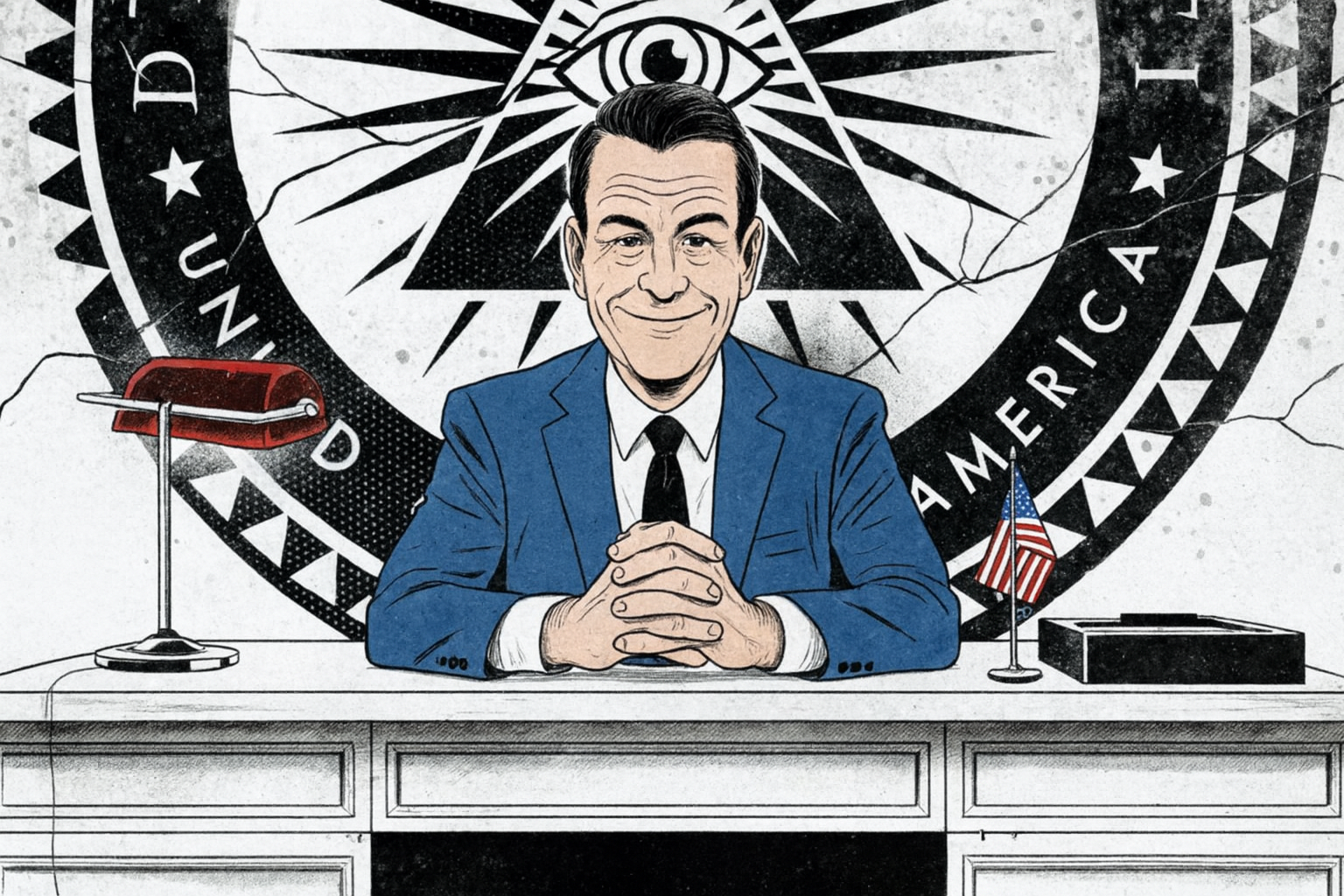
There’s an old saying that a leopard can’t change its spots—and if you’ve ever spent time observing people in politics, business, or even your local city meetings, you start to realize just how true that is. Human behavior, after all, is largely a pattern of learned responses. We are, to put it simply, creatures of habit guided by our proclivities—those natural tendencies that shape how we act, react, and interact with the world around us.
We can pretend to be something else for a while, of course. Some people spend entire careers trying to convince others—and perhaps themselves—that they are more honest, ethical, or competent than they really are. But the truth has a way of revealing itself, often quietly and without fanfare. It’s in the nervous fidget when questioned, the inconsistent story told one too many times, or the sudden hostility toward anyone who dares to ask for clarification. Truth-tellers don’t panic because they don’t need to. Liars do, because they must remember every thread of their own web.
Spend enough time watching city or county council meetings, candidate forums, or televised debates, and you start to see these tells—tiny glimpses of authenticity or artifice that reveal far more than the prepared remarks ever could. The genuine ones speak plainly, look you in the eye, and admit when they don’t know something. The others? They shift, deflect, and smile a little too wide. You can almost see their internal calculus spinning as they work to remember which version of the story they’re supposed to be telling today.
This isn’t meant to be cynical—it’s just an observation about human nature. We can learn, adapt, and grow, yes, but our core behaviors often return to their natural state when the lights dim and the microphones turn off. The proclivity for honesty or deceit, humility or arrogance, transparency or concealment—these aren’t costumes to be worn and shed at will. They’re woven into the fabric of who we are.
So when you watch the next big political debate or tune into the latest local controversy, try to look past the polished words and rehearsed gestures. Look instead for the instinctive reactions—the sigh before the answer, the smirk at the question, the calm of someone who has nothing to hide. You’ll learn more about a person’s character in those fleeting seconds than in any campaign brochure or press release.
In a world full of performance, authenticity is the rarest and most valuable currency. And while anyone can fake it for a time, the truth, like a river, always finds its course.
Just some food for thought on this Sunday afternoon while you sip your coffee and read the paper. After all, as time keeps proving, proclivity is the truest mirror of the soul.