


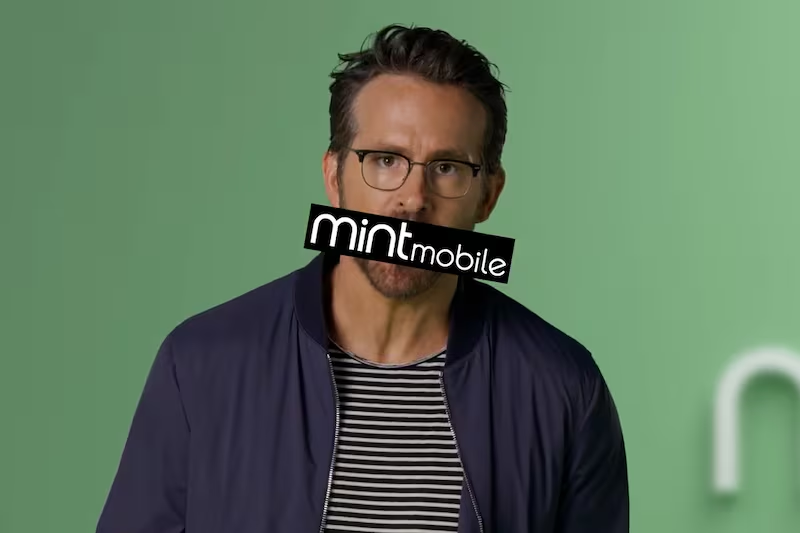
For years, Mint Mobile has been widely associated with actor Ryan Reynolds, whose self-aware humor and relentless advertising made the discount wireless carrier feel more like a pop culture joke that happened to sell phone service. That association, while effective, has also fueled a persistent misconception. Ryan Reynolds does not own Mint Mobile. While he once held a minority stake and served as the brand’s most visible pitchman, Mint Mobile today is owned by T-Mobile, following a multibillion-dollar acquisition completed in 2024. Reynolds remains connected to the brand creatively, but ownership has firmly changed hands.
Mint Mobile operates as a mobile virtual network operator, meaning it does not own cell towers or wireless infrastructure. Instead, it leases access to T-Mobile’s nationwide network, allowing Mint customers to use the same 4G LTE and 5G coverage footprint that T-Mobile advertises across most of the United States. This arrangement gives Mint broad geographic reach without the expense of maintaining physical networks, a cost-saving foundation that shapes nearly every part of its business model.
What truly sets Mint Mobile apart is not celebrity marketing or mascots, but its unconventional pricing structure. Mint sells wireless service in multi-month blocks rather than traditional monthly billing cycles. Customers typically pay upfront for three, six, or twelve months of service, with the lowest effective monthly rates reserved for longer commitments. This prepaid bulk approach is rare in a market dominated by postpaid plans, device financing, and promotional credits, and it allows Mint to advertise some of the lowest base prices among national carriers.
The tradeoff is commitment. While Mint’s introductory pricing can be attractive, the real savings often require paying several hundred dollars upfront. For customers confident in their coverage and usage needs, that model works well. For others, especially those uncertain about service quality in their area, the prepaid structure can feel restrictive. Refund windows are limited, and dissatisfaction after the initial period may come at a cost.
In terms of performance, Mint Mobile generally delivers solid everyday service, particularly in urban and suburban areas where T-Mobile’s network is strongest. However, as a prepaid service, Mint customers are subject to network prioritization rules. During periods of heavy congestion, such as large events or peak hours in dense cities, Mint users may experience slower data speeds compared to T-Mobile’s postpaid subscribers. Video streaming is typically optimized to standard definition, and unlimited plans include thresholds after which speeds may be reduced during congestion.
Customer experience reviews tend to reflect this balance. Many users praise Mint for delivering reliable service at a fraction of traditional carrier costs, especially for moderate data users who rarely push network limits. Others report frustration when problems arise, particularly with customer support interactions, porting phone numbers, or resolving billing disputes. Mint’s first online model keeps costs down but offers fewer safety nets for customers who prefer in-person assistance or immediate phone support.
Corporate ownership by T-Mobile adds an interesting layer to Mint’s identity. While Mint continues to operate as a distinct brand with its own pricing and tone, it ultimately sits within the same corporate ecosystem as one of the nation’s largest wireless providers. This relationship provides long-term stability and network access but also raises questions about how independent the brand will remain over time.
Mint Mobile succeeds because it knows exactly what it is and what it is not. It is not a full-service carrier designed to compete on perks, device subsidies, or concierge-style support. It is a lean, digital-first option built for consumers who want predictable service, minimal frills, and the lowest possible bill. Ryan Reynolds helped make Mint famous, but the company’s survival and growth now depend on something far less glamorous, the quiet math of prepaid pricing, network access, and consumer tradeoffs. For many Americans, that equation still adds up.