


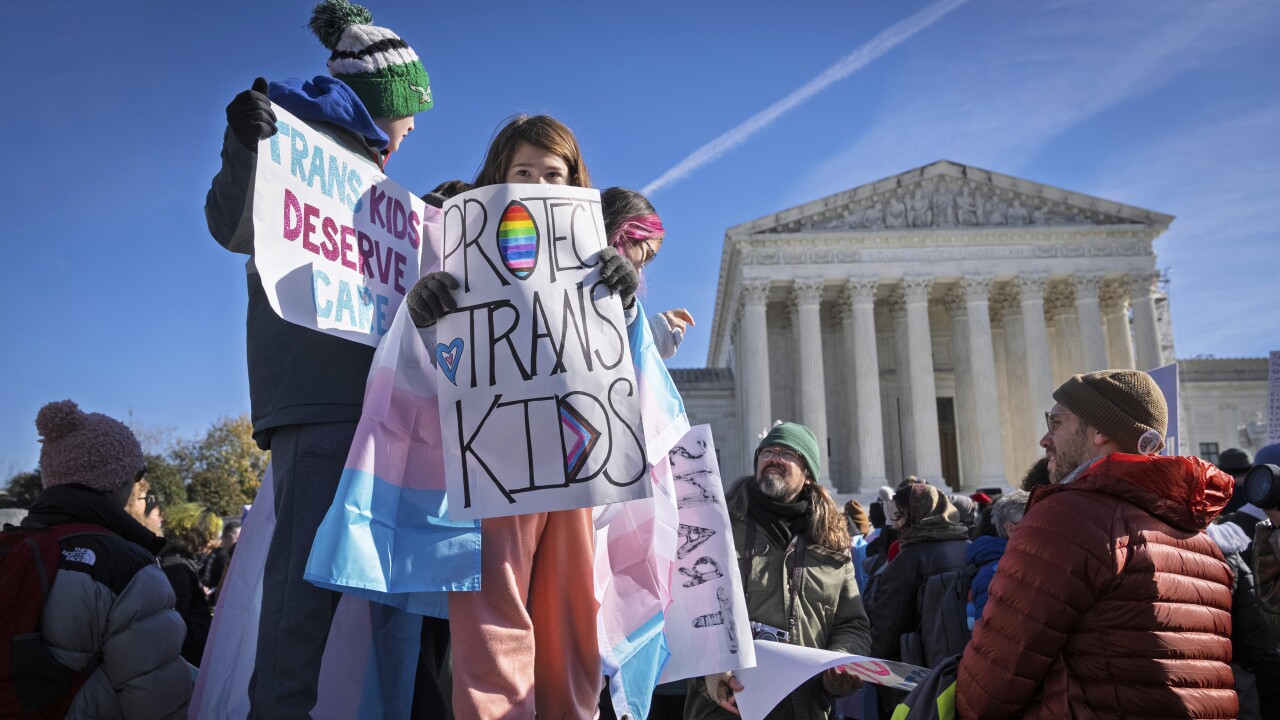
In a growing legal standoff over federal restrictions on gender-affirming healthcare, Oregon has joined sixteen other states and the District of Columbia in a lawsuit challenging two executive orders issued by the Trump administration earlier this year. The legal action aims to block enforcement of federal directives that would severely limit or criminalize healthcare options for transgender, intersex, and nonbinary individuals under the age of 19.
The executive orders, issued in January 2025, seek to ban federally funded healthcare providers from administering puberty blockers, hormone therapy, and other gender-affirming treatments to minors. They also instruct federal agencies, including the Department of Justice, to use existing laws—such as those addressing health fraud and genital mutilation—as a basis to investigate and potentially prosecute providers offering such care. Critics of the orders argue that they are politically motivated overreaches that undermine state authority, medical science, and civil rights.
The lawsuit, filed in federal court in Boston, contends that the administration’s actions violate the 10th Amendment by intruding on powers reserved to the states and breach the equal protection rights guaranteed under the 5th Amendment. The coalition of states also asserts that the federal government is effectively trying to dictate healthcare standards that have traditionally been regulated at the state level.
Oregon Attorney General Dan Rayfield has been an outspoken supporter of the legal effort. Earlier this year, Oregon was among the first four states—alongside Washington, Colorado, and Minnesota—to file a separate but related challenge. That case led to a March ruling by a federal judge in Seattle that temporarily blocked the executive orders from taking effect in those states. The judge concluded that the orders likely constituted unconstitutional discrimination based on gender identity and exceeded the limits of federal authority.
For Oregon families and healthcare providers, the implications of these legal battles are significant. The temporary injunction currently in place means that clinics in Oregon can continue offering gender-affirming care without fear of federal interference or prosecution. It also helps ensure that youth undergoing treatment will not face sudden disruptions in their healthcare plans, which medical experts say could have severe mental and physical health consequences.
Supporters of the lawsuit say the broader legal fight is about preserving the ability of doctors and families to make personal medical decisions free from political mandates. In Oregon, a state with strong anti-discrimination protections, the issue strikes a particularly deep chord as residents increasingly express concern over growing federal attempts to override state law and restrict healthcare access.
As litigation continues, the outcome of this case could reshape the national landscape for transgender healthcare, potentially establishing whether individual states can protect such care in the face of sweeping federal mandates. For now, Oregon remains firmly aligned with other states resisting what they view as unconstitutional and harmful interference in medical care for vulnerable youth.