


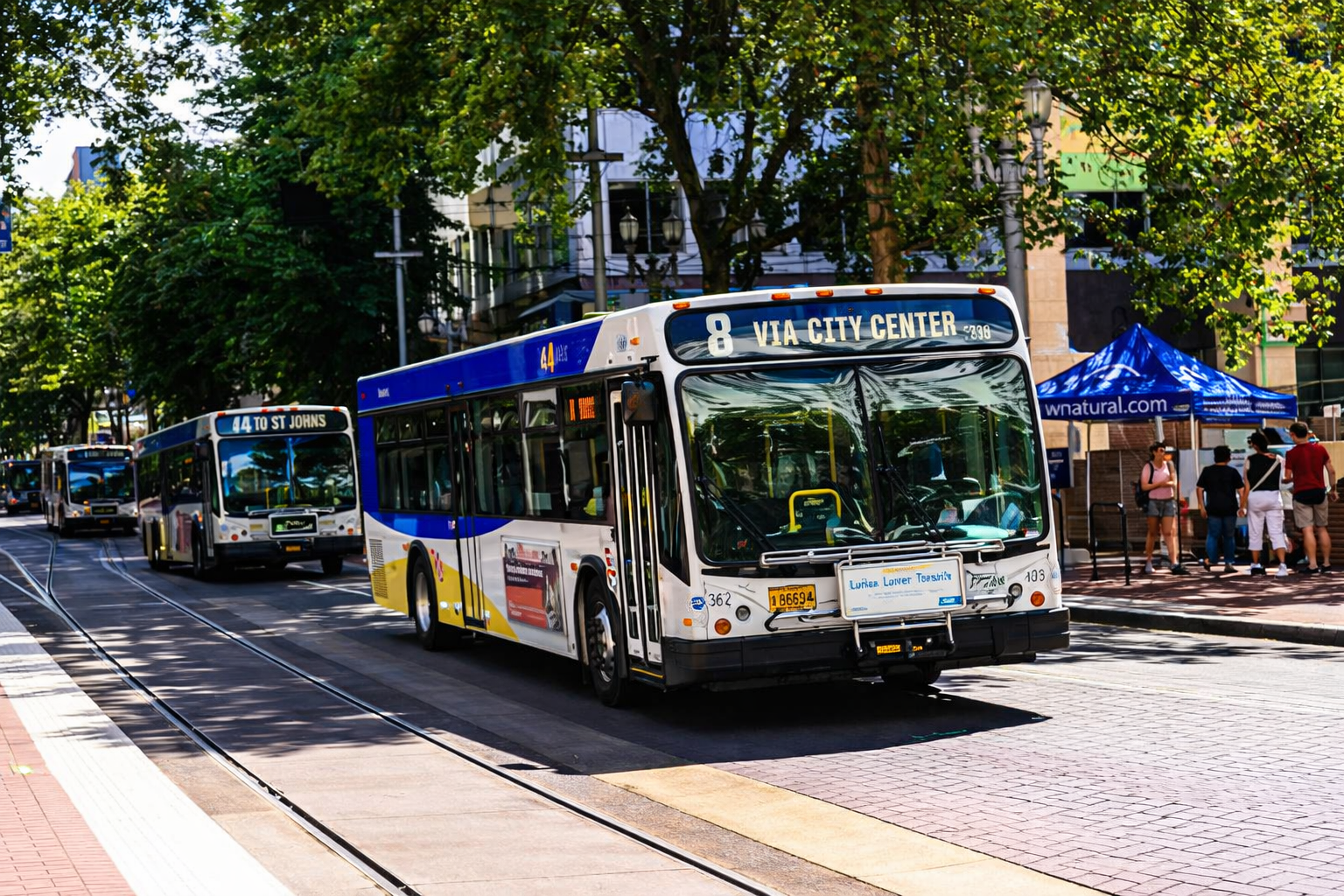
Transit agencies across Oregon are placing planned service expansions and capital upgrades on hold as uncertainty grows around a major transportation funding package now headed for a statewide referendum later this year. From Central Oregon to the coast and throughout the Willamette Valley, transit officials say the pause reflects the financial risk of committing to projects without knowing whether new revenue sources will ultimately be approved by voters.
The funding uncertainty stems from a transportation bill passed by the Oregon Legislature that included a combination of tax and fee increases designed to stabilize long term funding for roads, bridges, and public transit. Opponents of the legislation gathered enough signatures to trigger a referendum, which has the legal effect of suspending the law until voters decide its fate. As a result, anticipated revenues that agencies expected to rely on in upcoming budgets are now in limbo.
At the state level, the Oregon Department of Transportation has warned that the delay complicates financial planning not only for highways and maintenance programs but also for transit operations that depend on state support. ODOT officials have said existing funding levels were already insufficient to meet growing needs, and the postponed revenue stream has forced agencies to reconsider timelines for improvements and service restoration.
Local transit providers are now responding by adopting a wait and see approach. In Central Oregon, Cascades East Transit had been preparing to expand shuttle services to meet increasing demand tied to population growth and tourism. Those plans have been pushed back, with agency leaders indicating that new routes or increased frequency cannot be guaranteed without a stable funding outlook. Similar decisions are being made in communities that rely on transit to connect residents to jobs, medical care, and essential services.
In the Salem area, Cherriots has delayed major capital purchases, including new buses intended to modernize its fleet and improve reliability. While current service levels remain intact, agency managers have acknowledged that replacement schedules and facility improvements are now uncertain. Delays of this kind can have ripple effects, as older vehicles require more maintenance and limit the ability to expand service efficiently.
Southern Oregon faces comparable challenges. The Rogue Valley Transportation District, which serves Medford and surrounding communities, has struggled in recent years with funding volatility and previously reduced service levels. Officials there have said that restoring or expanding routes will be difficult without the additional state funding that was expected under the suspended legislation. For riders who depend on transit as their primary means of transportation, the prolonged uncertainty raises concerns about long term access and reliability.
Rural and coastal communities are also affected. Smaller transit providers often operate with thinner margins and fewer alternative funding sources. Planned investments in vehicles, technology upgrades, and service coordination are now being deferred, even in areas where transit plays a critical role in connecting residents across long distances. The impact is particularly significant for seniors, people with disabilities, and lower income households who may have limited transportation options.
The political debate surrounding the referendum reflects broader economic pressures facing Oregon residents. Supporters of the ballot challenge argue that additional taxes and fees would increase the cost of living during a period when many households are already struggling with housing, energy, and food expenses. Supporters of the legislation counter that without new revenue, the state risks deeper service cuts, deferred maintenance, and higher costs in the future.
Until voters weigh in, transit agencies say prudence requires restraint. Long range planning has not stopped entirely, but officials emphasize that major commitments are being postponed to avoid financial shortfalls. The outcome of the referendum will determine whether agencies can move forward with expansions, fleet replacements, and service restorations that were intended to support Oregon’s growing and aging population.
For now, riders across the state continue to rely on existing services while planners await clarity. The decision later this year will shape not only the future of Oregon’s transportation system but also the daily mobility of communities from Bend to the coast and throughout the state.