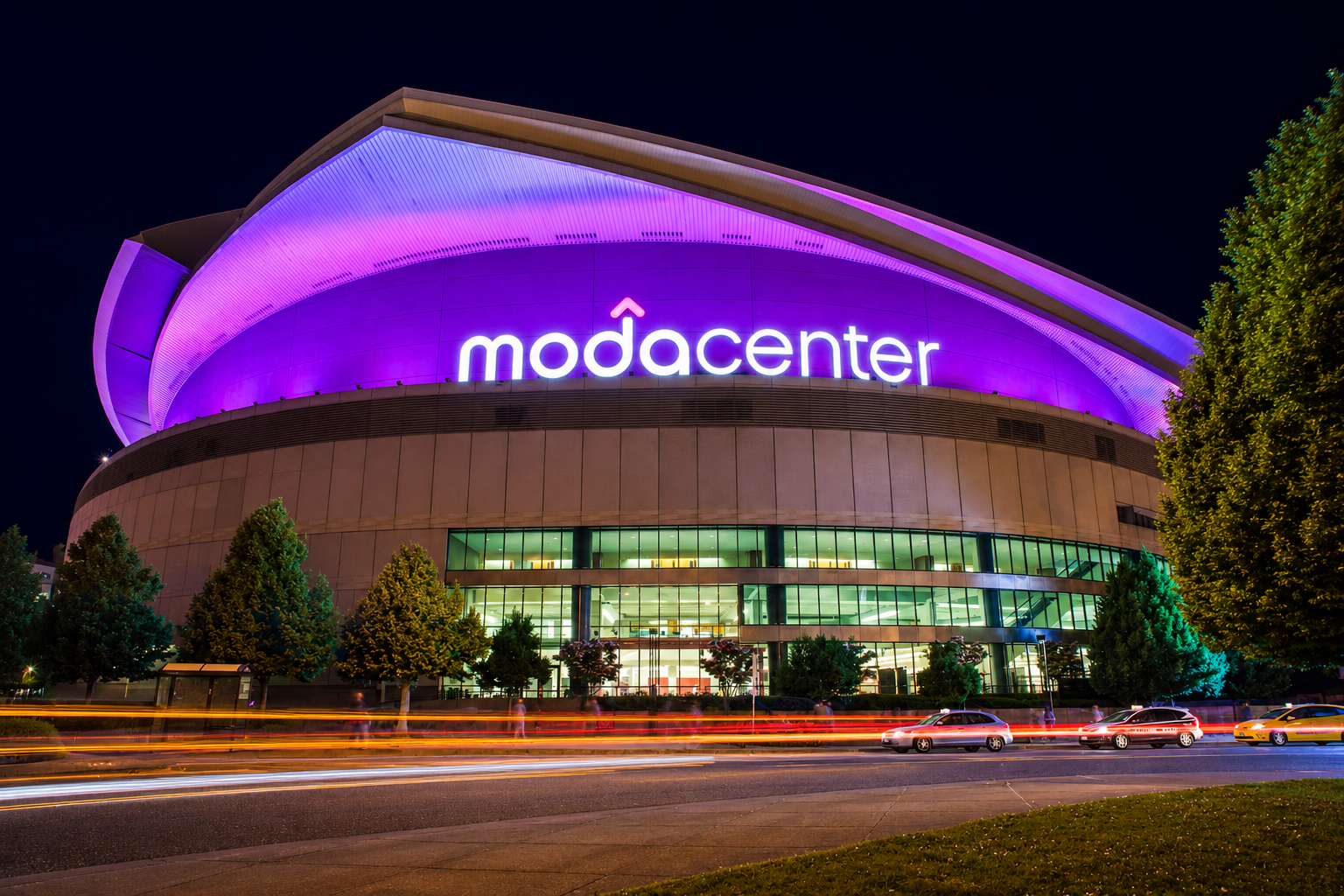
The sound inside Portland’s Moda Center felt different this weekend. It was louder, more emotional, and charged with the kind of anticipation that only comes when a city reconnects with something it never truly forgot.
After a 24-year absence, the Portland Fire officially returned to the WNBA stage, reigniting a professional women’s basketball presence in Oregon that many fans believed should never have disappeared in the first place. What unfolded in downtown Portland during opening weekend was more than the debut of a basketball team. It became a statewide celebration stretching far beyond the city limits, reaching sports fans from Eugene to Medford and throughout Southern Oregon, where enthusiasm for women’s athletics continues to grow.
For longtime basketball followers, the return carried a sense of unfinished history. The original Portland Fire played only three seasons from 2000 to 2002 before the franchise folded during a financially uncertain era for the WNBA. At the time, the league was still trying to establish itself nationally, and many markets struggled with attendance and long-term investment. Yet even after the team disappeared, Oregon never lost its appetite for women’s basketball.
That passion has only intensified over the last two decades.
The modern WNBA now enters one of the strongest periods in its history, driven by soaring television ratings, expanded media coverage, sold-out arenas, and a rapidly growing national fan base. Portland’s return arrives at a moment when women’s sports are no longer fighting merely for visibility. They are becoming major economic and cultural forces within the professional sports industry.
Few cities were better positioned for the league’s return than Portland.
The city already built a national reputation through its overwhelming support of women’s soccer with the Portland Thorns, and league officials repeatedly pointed to Oregon’s sports culture as one of the reasons the WNBA selected Portland for expansion. Basketball has always held deep roots across the state, from high school gyms in small rural communities to packed college arenas and generations of Trail Blazers fans.
This weekend showed just how ready Oregon was for the Fire to return.
Thousands poured into the Moda Center for opening festivities as fans wearing newly released Fire merchandise filled downtown streets surrounding the arena hours before tipoff. Families brought young daughters carrying basketballs and homemade signs. Older fans who remembered the original franchise shared stories about attending games more than two decades ago. The atmosphere blended nostalgia with a sense of renewal, creating one of the most emotionally charged sports moments Portland has experienced in years.
Even in Southern Oregon, where many sports fans traditionally focus on college athletics or Portland Trail Blazers basketball, the return of the Fire generated major interest throughout the weekend. Sports bars, online fan groups, and regional social media pages across the state buzzed with conversation about the WNBA’s arrival back in Oregon. For many residents outside Portland, the Fire’s return represents something larger than basketball. It reflects Oregon once again being part of a growing national movement surrounding women’s professional sports.
The timing also coincides with significant changes underway at the Moda Center itself.
The arena is currently undergoing modernization efforts and upgrades designed to improve the overall fan experience, helping position the venue for the future of major professional sports and entertainment in Portland. The combination of a refreshed arena environment and the arrival of a new WNBA era has created a wave of momentum surrounding downtown Portland at a time when city leaders and businesses continue working to strengthen economic activity and tourism in the urban core.
For the Rose Quarter district, the Fire’s arrival could become a major long-term economic catalyst.
Restaurants, hotels, bars, and surrounding businesses already benefited from opening weekend crowds, and sports analysts believe the Fire could eventually draw attendance numbers that rival some of the league’s most successful franchises. Portland’s reputation for passionate sports support has long been considered one of its defining civic identities, and the WNBA’s return only deepens that connection.
The team itself also enters the season with optimism surrounding its roster and long-term direction. Portland assembled a mix of experienced veterans and emerging young talent during the expansion process, giving fans immediate players to rally behind while the franchise begins building its identity. Early reactions from across the basketball community suggest the Fire may quickly become one of the league’s most closely watched expansion teams.
Yet beyond wins and losses, the biggest story may simply be what this moment means to Oregon.
The return of the Portland Fire signals a new chapter not only for the WNBA, but for basketball culture throughout the Pacific Northwest. It reflects changing attitudes toward women’s professional sports and demonstrates the growing demand for major athletic opportunities that inspire younger generations.
Across Oregon, girls watching this weekend’s opening game saw something that did not exist for an entire generation — a professional women’s basketball team carrying the name of their home state once again.
For Portland, the Fire’s return feels like the restoration of a missing piece of the city’s sports identity. For Oregon, it feels like the beginning of something much larger still.