


Most emergencies do not announce themselves. They unfold in ordinary places on ordinary days, interrupting routines in a matter of seconds. A customer waiting in line suddenly collapses. A child stops breathing after choking. A driver comes upon a serious crash on a rural highway. Smoke appears on a nearby hillside during another hot July afternoon. The power goes out during an ice storm, leaving families without heat or communication.
Across Southern Oregon, these are not distant possibilities. They are situations that occur every year, reminding residents that emergency preparedness is not reserved for first responders. It is a practical life skill that belongs in every household.
Southern Oregon’s geography offers exceptional beauty, but it also presents unique challenges. Long, dry summers have increased the risk of wildfires, while prolonged heat waves have become more common across the Rogue Valley. During the colder months, snow, freezing rain and powerful winter storms can isolate rural communities and interrupt essential services. Add earthquakes, flooding, highway accidents and medical emergencies to that list, and preparedness becomes less about expecting disaster than being ready for life’s unexpected moments.
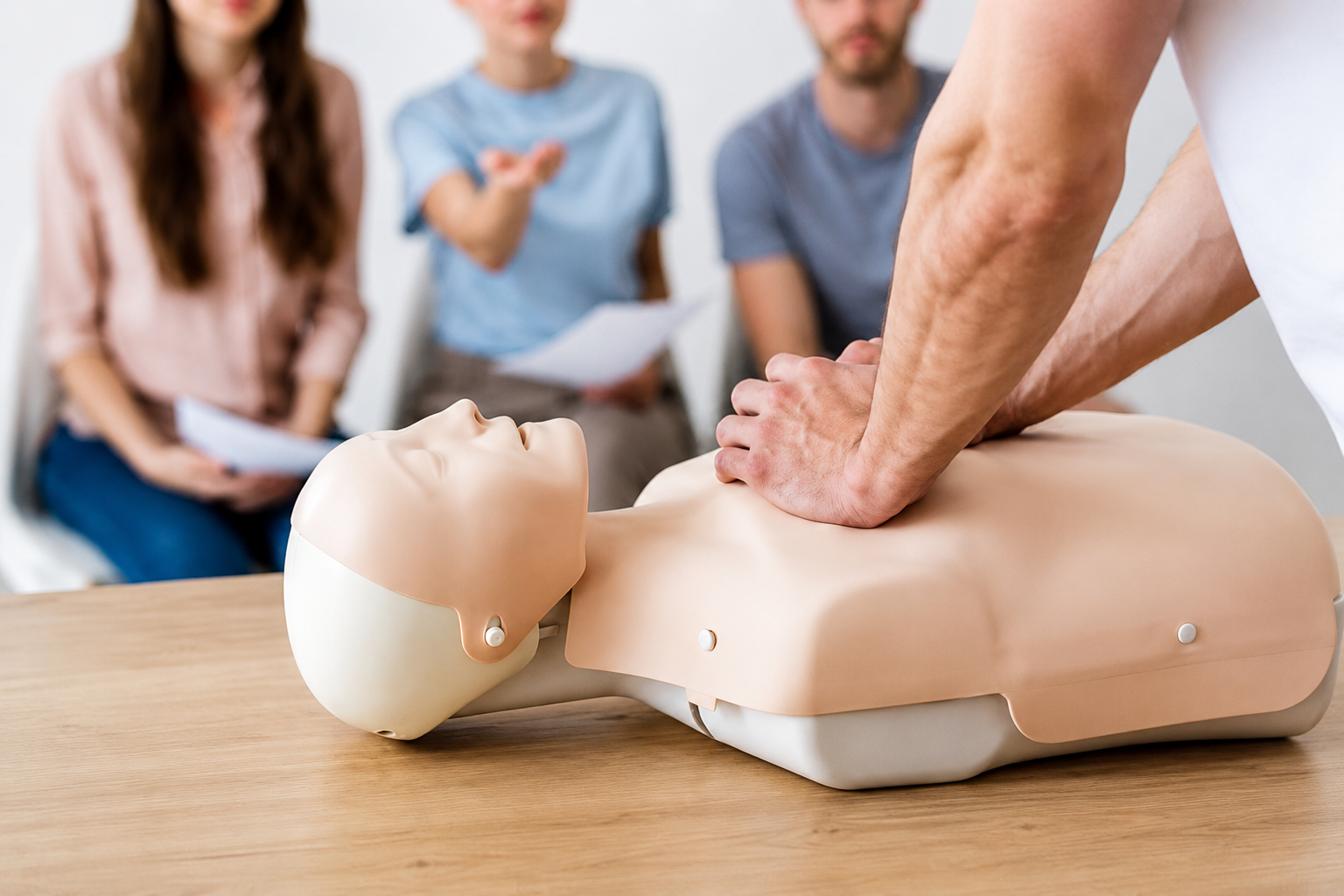
One of the simplest yet most valuable preparations a person can make is learning CPR.
Every year, thousands of Americans suffer sudden cardiac arrest outside of hospitals. Unlike a heart attack, which is caused by reduced blood flow to the heart, cardiac arrest occurs when the heart suddenly stops beating effectively. Without immediate intervention, permanent brain damage can begin within minutes.
Emergency medical personnel often cannot arrive instantly, particularly in rural areas where travel distances are greater. During those first critical moments, the individual standing nearby becomes the first link in the chain of survival.
Knowing how to recognize cardiac arrest, call 911, begin chest compressions and use an automated external defibrillator, commonly known as an AED, can dramatically improve a person’s chances of survival. AEDs are now found in many schools, airports, fitness centers, government buildings, churches and businesses throughout Oregon. Modern units are designed to provide clear voice instructions, allowing trained bystanders to assist while waiting for emergency responders.
Although CPR certification is not required for most Oregon residents, health professionals consistently recommend that adults complete a certified CPR and first aid course. Certification generally remains valid for two years, and refresher courses help ensure those lifesaving skills remain current. Parents, grandparents, caregivers, teachers, coaches, business owners and community volunteers are among those who may find themselves called upon when every second matters.
Medical emergencies, however, represent only one part of Southern Oregon’s emergency landscape.
Wildfire preparedness has become an annual responsibility for many communities. Every summer, residents watch weather forecasts closely as temperatures climb, vegetation dries and winds increase. Fire officials continue to encourage homeowners to prepare well before smoke appears on the horizon.
That preparation includes understanding Oregon’s three evacuation levels, assembling medications and important documents in advance, keeping vehicles fueled, planning evacuation routes and making arrangements for pets and livestock. Families who wait until evacuation orders are issued often have less time to make careful decisions.
Even homes located miles from an active wildfire can experience hazardous smoke conditions. Fine airborne particles are capable of traveling long distances and may aggravate asthma, chronic lung disease, heart disease and other respiratory conditions. Monitoring daily air quality reports, limiting outdoor activity during periods of heavy smoke and improving indoor air quality can reduce health risks during wildfire season.
Extreme heat presents another growing concern across Southern Oregon.
Days with temperatures exceeding 100 degrees are no longer unusual in many communities. Heat places significant stress on the body, particularly among older adults, infants, outdoor workers and individuals with chronic medical conditions. Heat exhaustion can develop gradually, while heat stroke is a life-threatening emergency requiring immediate medical attention.
Health officials recommend staying hydrated throughout the day, limiting strenuous outdoor activities during peak afternoon temperatures, wearing lightweight clothing and checking regularly on elderly neighbors or relatives who may not have access to adequate cooling. These simple acts of awareness often prevent emergencies before they occur.
Winter requires an entirely different type of preparation. Ice storms, heavy snowfall and downed power lines occasionally leave portions of Southern Oregon without electricity for extended periods. Families who maintain emergency food supplies, drinking water, medications, flashlights, batteries, blankets and alternative charging options for mobile devices are generally better equipped to remain safe until services are restored.
Emergency readiness also extends beyond supplies stored in a closet.
Every household benefits from having a written emergency plan. Family members should know where to meet if separated, how to contact relatives outside the immediate area and where important documents are stored. Prescription medications should remain current, first aid kits should be inspected regularly and smoke and carbon monoxide detectors should be tested throughout the year.
Residents who depend on oxygen concentrators, CPAP machines, refrigerated medications or other electrically powered medical equipment should also have backup plans in place before outages occur. Portable battery systems, properly operated generators and alternative charging locations can become essential during prolonged emergencies.
Vehicles deserve the same attention as homes. A flashlight, bottled water, nonperishable snacks, blankets, jumper cables, a first aid kit and a phone charger can make a significant difference if travel is interrupted by severe weather or road closures. Southern Oregon’s highways often pass through remote stretches where assistance may take longer to arrive.
Emergency preparedness is often measured by what happens before an emergency ever begins. It is built through education, planning and practice rather than last-minute decisions. Learning CPR, taking a first aid course, assembling emergency supplies and discussing family response plans require only a modest investment of time, yet those efforts may one day protect a neighbor, a friend or a loved one.
The next emergency in Southern Oregon may arrive as a medical crisis, a wildfire, an ice storm or a prolonged power outage. No one can predict when it will happen or who will be affected. What residents can control is how prepared they choose to be before that day arrives, because when the unexpected happens, knowledge, preparation and calm action often become the most valuable tools anyone can possess.