


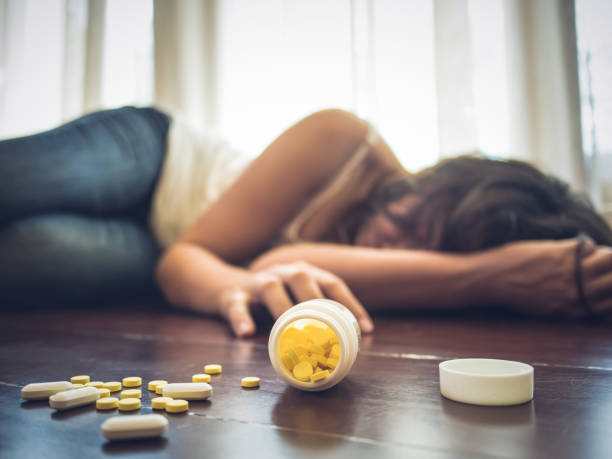
Fentanyl continues to drive a growing overdose crisis across Southern Oregon, affecting families, workplaces, public spaces, and first responders alike. This synthetic opioid is far more potent than heroin or prescription painkillers, and overdoses can occur quickly, sometimes within minutes. Being prepared to recognize the signs of an overdose and knowing how to respond can mean the difference between life and death. Overdose response is not only a public health issue, it is a community responsibility.
A fentanyl overdose typically suppresses breathing and consciousness. Warning signs often include slow or stopped breathing, gasping or choking sounds, blue or gray lips or fingernails, pale or clammy skin, pinpoint pupils, and unresponsiveness to voice or touch. If a person cannot be awakened or is breathing irregularly, the situation should be treated as a medical emergency. Time is critical because prolonged lack of oxygen can cause permanent brain injury or death.
The first and most important step is to call 911 immediately. Emergency dispatchers are trained to guide callers through lifesaving actions while help is on the way. Oregon’s Good Samaritan laws protect individuals who call for help during an overdose from prosecution for possession of small amounts of drugs, removing a common barrier that prevents people from seeking emergency assistance.
If naloxone, commonly known by the brand name Narcan, is available, it should be administered as soon as possible. Narcan is a safe medication that reverses opioid overdoses by blocking opioids from binding to receptors in the brain. It has no effect if opioids are not present and cannot cause harm if used correctly. The nasal spray version is the most common and easiest to use. The person should be laid on their back, the spray inserted into one nostril, and the plunger pressed firmly. If there is no response after two to three minutes and emergency help has not yet arrived, a second dose may be given in the other nostril.
While waiting for emergency responders, rescue breathing can be lifesaving. If the person is not breathing normally, tilt their head back, check for airway obstruction, and give slow breaths every five to six seconds. Chest compressions should be performed if the person has no pulse. If breathing resumes, placing the person on their side in the recovery position helps prevent choking if vomiting occurs.
It is important to stay with the individual until medical professionals arrive. Fentanyl can outlast the effects of naloxone, meaning a person may relapse into overdose once the medication wears off. Continued monitoring is essential even if the person appears to recover.
Preparation also means prevention. Narcan is widely available in Southern Oregon through pharmacies, health departments, community organizations, and outreach programs, often at low or no cost. Residents are encouraged to carry it, especially those who work with vulnerable populations or have loved ones at risk. Education, awareness, and compassion are critical tools in addressing the fentanyl epidemic.
Overdose response is not about judgment. It is about preserving life. In a region where fentanyl-related deaths continue to rise, knowing what to do in an emergency empowers communities to act swiftly and save lives when seconds matter most. To educate yourself further click here.