


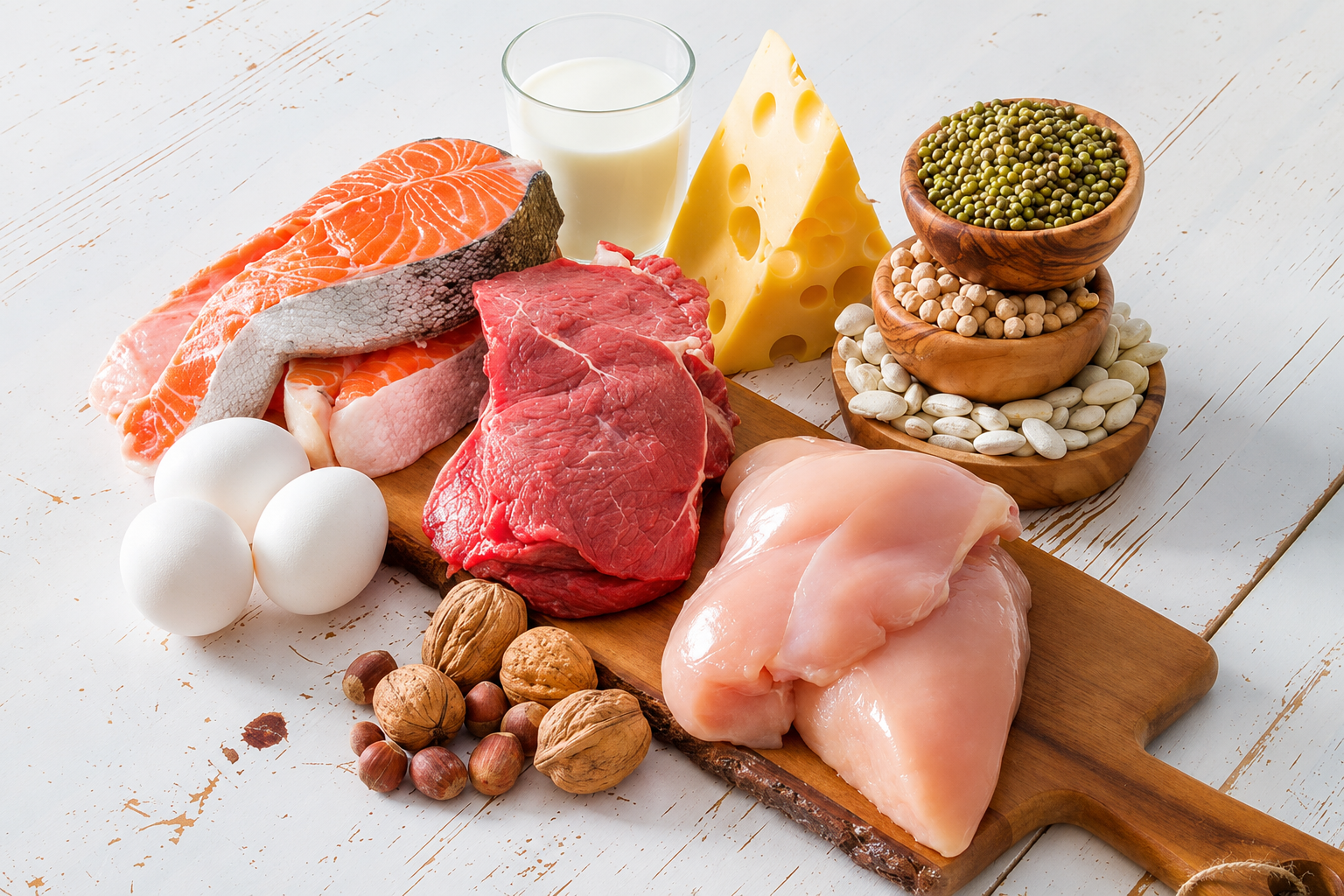
Protein has become one of the most talked about nutrients in modern nutrition, and for good reason. It is the primary building block for muscles, but its importance extends far beyond the gym. Every day, the human body depends on protein to repair tissues, support the immune system, produce enzymes and hormones, maintain healthy skin and organs, and preserve muscle mass throughout life. As food prices continue to challenge household budgets across Oregon, many residents are asking a practical question: How much protein do we actually need, and what is the most affordable way to get it?
The answer begins with understanding that protein requirements vary from person to person. The federal Recommended Dietary Allowance is 0.8 grams of protein per kilogram of body weight, an amount designed to prevent deficiency in healthy adults. However, many registered dietitians and sports nutrition specialists recommend higher daily intakes for individuals who are physically active, recovering from illness, attempting to lose weight, or simply trying to maintain muscle as they age.
For many adults, a practical daily goal falls between 90 and 120 grams of protein, although needs increase with larger body size and higher levels of physical activity.
Estimated Daily Protein Needs
| Body Weight | General Health | Active Lifestyle |
| 120 pounds | 45–55 grams | 65–90 grams |
| 150 pounds | 55–70 grams | 80–110 grams |
| 180 pounds | 65–80 grams | 95–130 grams |
| 200 pounds | 70–90 grams | 110–145 grams |
Meeting those targets may sound expensive, but protein remains one of the better nutritional values available when shoppers choose wisely. Instead of focusing solely on price per package, nutrition experts often compare foods by their cost to provide approximately 25 grams of protein, an amount commonly associated with stimulating muscle repair and maintenance.
Approximate Cost to Obtain 25 Grams of Protein
| Food | Serving Size | Estimated Cost |
| Dry lentils | About 2 cups cooked | $0.60–$0.90 |
| Black beans | About 2 cups cooked | $0.70–$1.00 |
| Whey protein powder | 1 scoop | $0.80–$1.40 |
| Eggs | 4 large eggs | $1.00–$1.40 |
| Chicken breast | 4 ounces | $1.10–$1.60 |
| Cottage cheese | About 1¼ cups | $1.20–$1.80 |
| Canned tuna | 1 can | $1.20–$1.80 |
| Plain Greek yogurt | About 1¼ cups | $1.30–$1.90 |
| Peanut butter | About 7 tablespoons | $1.20–$1.60* |
*Although peanut butter provides protein, it also contains significantly more calories and fat than most lean protein sources.
For families throughout Southern Oregon, several foods consistently provide the best nutritional value while remaining widely available in local grocery stores, warehouse retailers, and neighborhood markets.
Chicken breast continues to rank among the most economical complete proteins, particularly when purchased in family-sized packages and frozen in individual portions. Eggs remain one of the most nutrient-dense foods available, delivering high-quality protein along with essential vitamins and minerals at a relatively modest cost.
Greek yogurt and cottage cheese have also become increasingly popular because they provide substantial protein while supplying calcium and probiotics that support digestive and bone health. Cottage cheese is especially rich in casein protein, which digests more slowly and may help sustain muscle recovery overnight.
Dry beans and lentils remain unmatched in overall affordability. Although plant proteins generally contain lower amounts of certain essential amino acids than animal proteins, consuming a variety of grains, vegetables, legumes, and other plant foods throughout the day provides the complete range of amino acids needed for good health.
For individuals who struggle to consume adequate protein through meals alone, protein powder has become an economical supplement rather than simply a fitness product. A five-pound container of whey protein typically contains about 70 servings, each providing approximately 24 to 25 grams of protein. Depending on the manufacturer and retailer, the average cost ranges from about 80 cents to $1.30 per serving, making it competitive with many whole-food options while offering convenience for busy schedules.
One example of an affordable day of eating that provides approximately 110 grams of protein might include Greek yogurt with oats and berries for breakfast, a whey protein shake as a midmorning snack, grilled chicken with rice and vegetables for lunch, cottage cheese in the afternoon, and lentil soup paired with a salad for dinner. Depending on shopping habits and where foods are purchased, the total daily cost generally ranges between $6 and $12.
Nutrition specialists also emphasize that timing matters. Rather than consuming most daily protein during the evening meal, spreading intake evenly across breakfast, lunch, dinner, and snacks allows the body to use protein more efficiently for muscle maintenance and repair.
As grocery prices continue to influence household budgets throughout Oregon, thoughtful meal planning can make a significant difference. Purchasing proteins in bulk, choosing frozen poultry and seafood, preparing dry beans and lentils at home, and incorporating economical dairy products can help families meet nutritional goals without dramatically increasing food expenses.
Good nutrition does not necessarily require specialty diets or expensive supplements. With careful shopping and balanced meal planning, most Southern Oregon households can obtain adequate daily protein using foods that are affordable, readily available, and capable of supporting long-term health, strength, and overall wellness.