


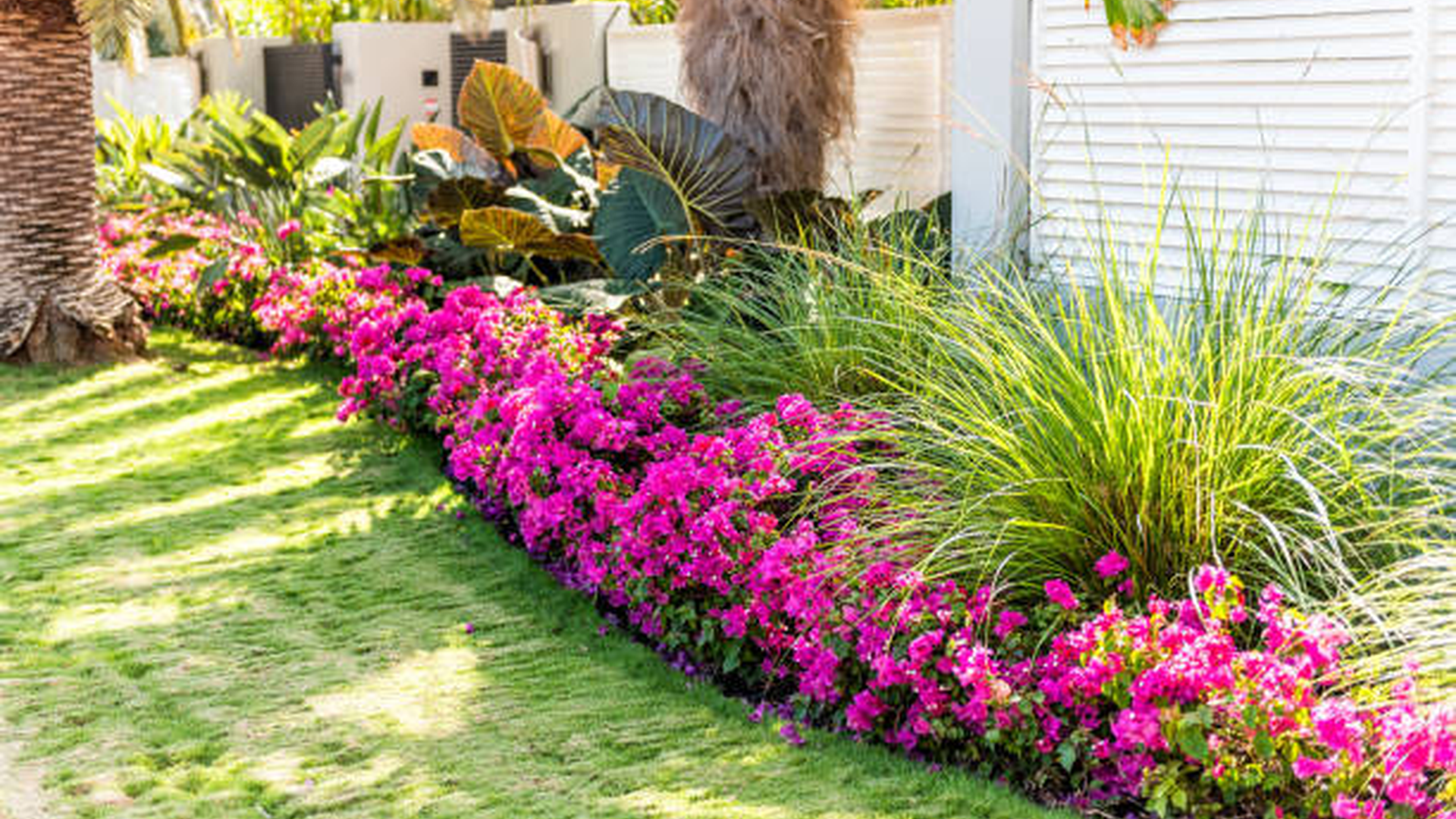
You can feel it before you see it. The ground gives a little under your step, the chill backs off just enough, and suddenly you realize you’re late if you haven’t started planting yet. That is how spring works here. It doesn’t ease in politely. It opens a window and expects you to move.
Southern Oregon is generous, but it is not forgiving. If you plant the wrong flowers, or plant the right ones too late, the summer heat will expose every mistake you made in March. That is why the next couple of weeks matter more than most people realize.
The trick is not chasing pretty flowers. It is choosing the ones that can handle what is coming.
Start with the workhorses. Coneflowers, black-eyed Susans, and salvias are the kind of plants that do not need babysitting. They take the sun, they take the dry spells, and they still show up every day looking like you planned it that way. Daylilies fall into that same category. They are not flashy in a fragile way. They are steady, reliable, and they fill space without demanding attention.
Then there are the fillers, the ones that make a garden feel alive early. Zinnias and cosmos come up fast and do not overcomplicate things. You plant them, give them a start, and they carry color into the hotter months without falling apart. Marigolds earn their place for a different reason. They help keep certain pests from settling in, which matters more than people think once everything heats up.
Lavender deserves its own space, literally and figuratively. It thrives here, but only if you do not drown it. Too much water is worse than not enough. That is one of those lessons most people learn the hard way.
What sits underneath all of this is where most gardens succeed or fail. The soil in this region can be heavy, stubborn, and slow to drain. If you plant straight into it without loosening it up, you are setting yourself up for disappointment. Mixing in compost is not about perfection, it is about giving roots a chance to breathe. Even a small effort here changes everything above the surface.
Watering is another place people overdo it. Early on, yes, your plants need consistency. After that, backing off is what makes them stronger. Deep watering every so often trains the roots to go down instead of staying shallow. Shallow roots do not survive July.
There are also the little things, the quiet tricks that never make it into glossy gardening books but get passed around anyway. A light shake of cinnamon on the soil can help keep fungus from creeping in around seedlings. Crushed eggshells scattered at the base of plants can slow down pests that crawl rather than fly. Cayenne pepper works the same way, just enough to make something think twice before chewing through your work overnight. None of it is complicated. That is the point.
If you want to go one step further, plant a few herbs in between your flowers. Basil, rosemary, thyme. They do more than fill space. They confuse pests, add scent, and give you something useful at the same time.
There is a rhythm to planting here that you either learn or you fight. The people who learn it are the ones still looking at color in August while everyone else is staring at dry stems and wondering what went wrong.
Right now is the moment that decides which one you will be.