


In American advertising, celebrities have become as essential as slogans and jingles. A familiar face can sell sneakers, streaming services, or even kitchen appliances, and the economics behind those partnerships have grown into an industry of their own. While a movie or championship may cement fame, endorsements often deliver the kind of long-term wealth that rivals, and sometimes surpasses, a performer’s original career earnings.
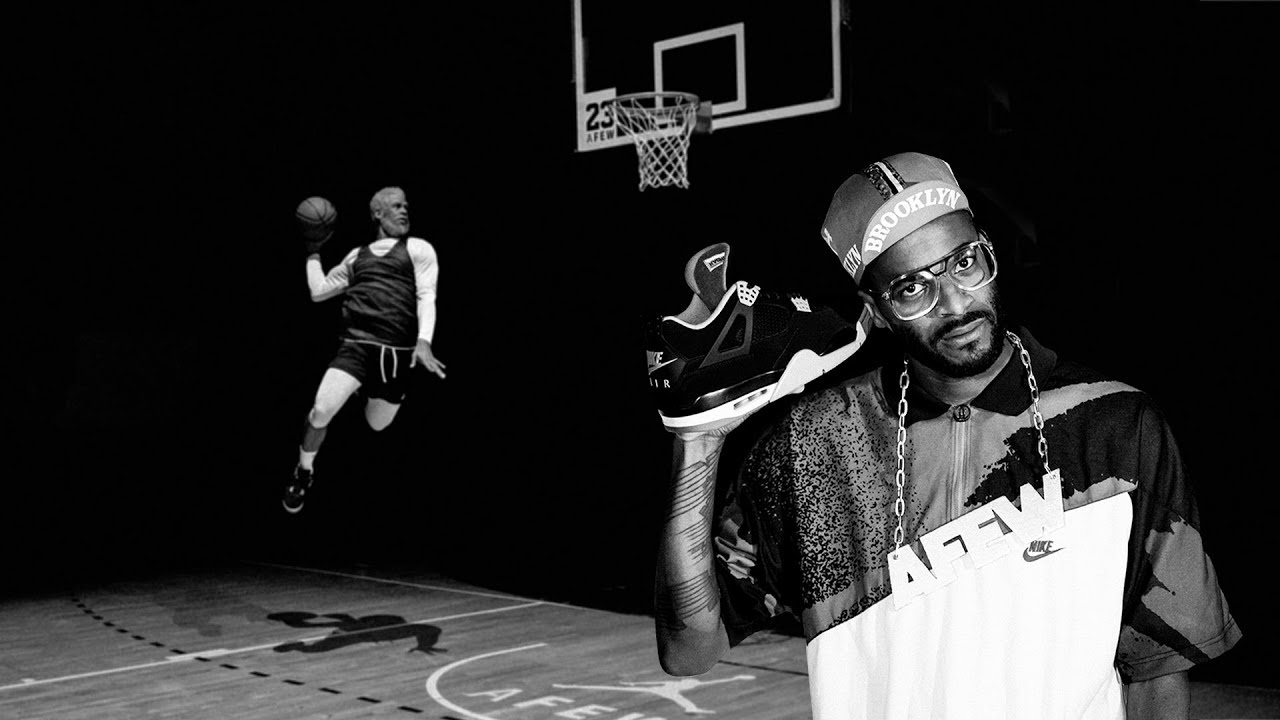
The most lucrative celebrity endorsement deal ever documented belongs to basketball legend Michael Jordan and his decades-long relationship with Nike. Since the first Air Jordan sneakers hit the market in 1984, Jordan has earned more than $1.3 billion in royalties from the partnership. His annual take from Nike now eclipses what he made during his entire NBA career—roughly $90 million in player salaries. The Jordan Brand itself continues to bring in billions for Nike each year, underscoring just how powerful a well-aligned celebrity-product pairing can be.
Boxing icon George Foreman provides another extraordinary example. After retiring from the ring, Foreman signed on to endorse a countertop grill. The “George Foreman Grill” became a cultural phenomenon, selling over 100 million units worldwide. Foreman’s earnings from the product—well above $200 million, with some years bringing him $8 million a month—dwarfed his total boxing purses. In many ways, Foreman’s grill became more famous than some of his heavyweight bouts. These two examples illustrate a core truth of endorsements: when a product sticks, the financial upside can redefine a celebrity’s entire career.
For athletes, endorsements frequently outweigh competitive earnings. Tiger Woods, Serena Williams, and Cristiano Ronaldo have all collected endorsement incomes that outpace their winnings. Shaquille O’Neal, who once admitted he now makes more from commercials, licensing, and brand partnerships than from his years with the Lakers, is another case in point. For actors, the comparison is less straightforward. Some stars—Tom Cruise on Top Gun: Maverick or Robert Downey Jr. in Avengers: Endgame—have secured back-end deals worth over $100 million for a single film. Those numbers are nearly impossible for an ad campaign to match. But those mega-movie paydays are rare. For many actors, especially those between projects or working in television and streaming, endorsements can provide steady income that rivals or even surpasses acting salaries. George Clooney’s long-standing relationship with Nespresso, reportedly worth over $40 million, is a prime example of how brands can offer stability even for A-listers.
The presence of celebrities in advertising is not new, but the way brands use them has changed. Decades ago, endorsement deals were primarily tied to luxury goods, cars, or alcohol. Today, it is just as likely to see a celebrity promoting detergent, pet food, or budget-friendly cookware. This shift is fueled by two forces. First, advertising has become more measurable. Marketers can track the immediate lift in sales or online traffic when a celebrity campaign launches. Second, the market is more fragmented. With audiences split across streaming platforms, social media, and traditional television, a celebrity’s face helps unify and cut through the noise.
Retailers are also leaning into celebrity branding to create excitement around everyday items. Dolly Parton’s kitchen and holiday lines, or Sydney Sweeney’s fashion campaign for American Eagle, show how household names can drive attention to products once considered too ordinary for star treatment. Not every endorsement works, however. Marketing research has consistently shown that “fit” matters. A beloved athlete may sell performance shoes, but their credibility might not translate to skin cream or energy drinks. Overexposure is another risk: when celebrities endorse too many products, audiences may tune out or question authenticity.
Still, the potential upside makes endorsements irresistible. A successful campaign can transform not only a company’s revenue stream but also a celebrity’s financial future. In some cases, like Jordan and Foreman, the endorsement becomes the legacy as much as the career that launched it. The trend line points toward more celebrity endorsements, not fewer. Social media has made it easier for stars to become “always-on” brand ambassadors, with campaigns stretching from national television spots to Instagram stories. And as household budgets tighten in today’s economy, brands will continue to rely on trusted faces to reassure consumers about quality and value—even for items as simple as toothpaste or laundry detergent.
At its core, the celebrity endorsement is a uniquely American marriage of fame and commerce. The stage, the court, or the big screen may launch a career, but for many stars, the real wealth comes from lending their face and name to a product that consumers will see—and buy—every day.