


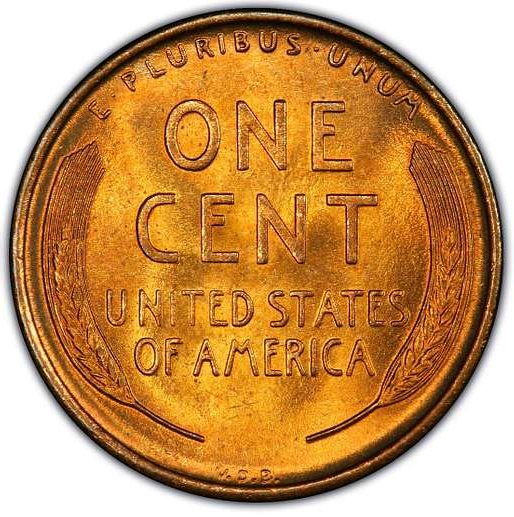
For the first time in more than two centuries, the United States Mint has stopped producing the one cent coin, drawing to a close a piece of American life that survived wars, depressions, booms, panics, and generations of pocket change. The final circulating pennies were struck in early November at the Mint’s Philadelphia facility, ending a run that dates back to 1793. The coin itself will remain legal tender, but its era as an everyday piece of commerce has reached its conclusion.
The decision did not come quickly and did not come sentimentally. It came down to math, cost and efficiency. For years, the penny has cost more to manufacture than it was worth. By 2024, each one cent piece carried a production cost of more than three and a half cents, meaning the government lost millions annually simply by making them. As the cost of materials, labor and transportation climbed, the gap grew wider and harder to justify. At the same time, inflation and the rise of digital payments eroded the practical usefulness of the lowest denomination of American currency. The penny lingered in the system more out of tradition than function, and eventually the economics tipped the scales.
Billions of pennies already circulate across the country, tucked into jars, drawers and cash registers. Those coins will continue to be used for years to come. What changes now is the supply line. When businesses and banks need replenishment, there will no longer be new bags of freshly stamped one cent pieces arriving from Mint facilities. Instead, pennies will slowly cycle through the system until natural wear pulls them from circulation. That gradual fade will replace any formal removal process, which only Congress has the power to authorize.
The end of production brings direct financial savings. With no more annual losses tied to minting a coin worth less than its manufacturing cost, the Treasury expects to recapture tens of millions of dollars. Other considerations also played a role. Handling, transporting and counting pennies consumes time for retailers, banks and armored carriers. The administrative burden is small individually but massive in scale when multiplied across a national economy. Removing the need to continually ship and process huge quantities of coins removes an inefficiency most consumers never see but everyone has paid for.
As pennies stop flowing into the marketplace, cash transactions involving exact change will shift. Many stores are expected to adopt simple rounding practices to the nearest nickel when a total ends in one, two, three or four cents. Debit cards, credit cards and digital payments remain unaffected because they do not rely on physical coinage. Countries like Canada and New Zealand have already taken similar steps without major disruption. Studies reviewing those transitions suggest rounding has little impact on consumers over time.
Collectors will still see pennies struck in limited form within future numismatic sets, preserving the design for hobbyists and historians. But the age of the penny as a daily companion of American commerce has ended. It disappears not with controversy but with a quiet calculation that the nation’s smallest coin no longer justified its oversized cost. After more than 230 years of service, the penny now enters history, leaving behind a legacy measured not in value but in familiarity.