


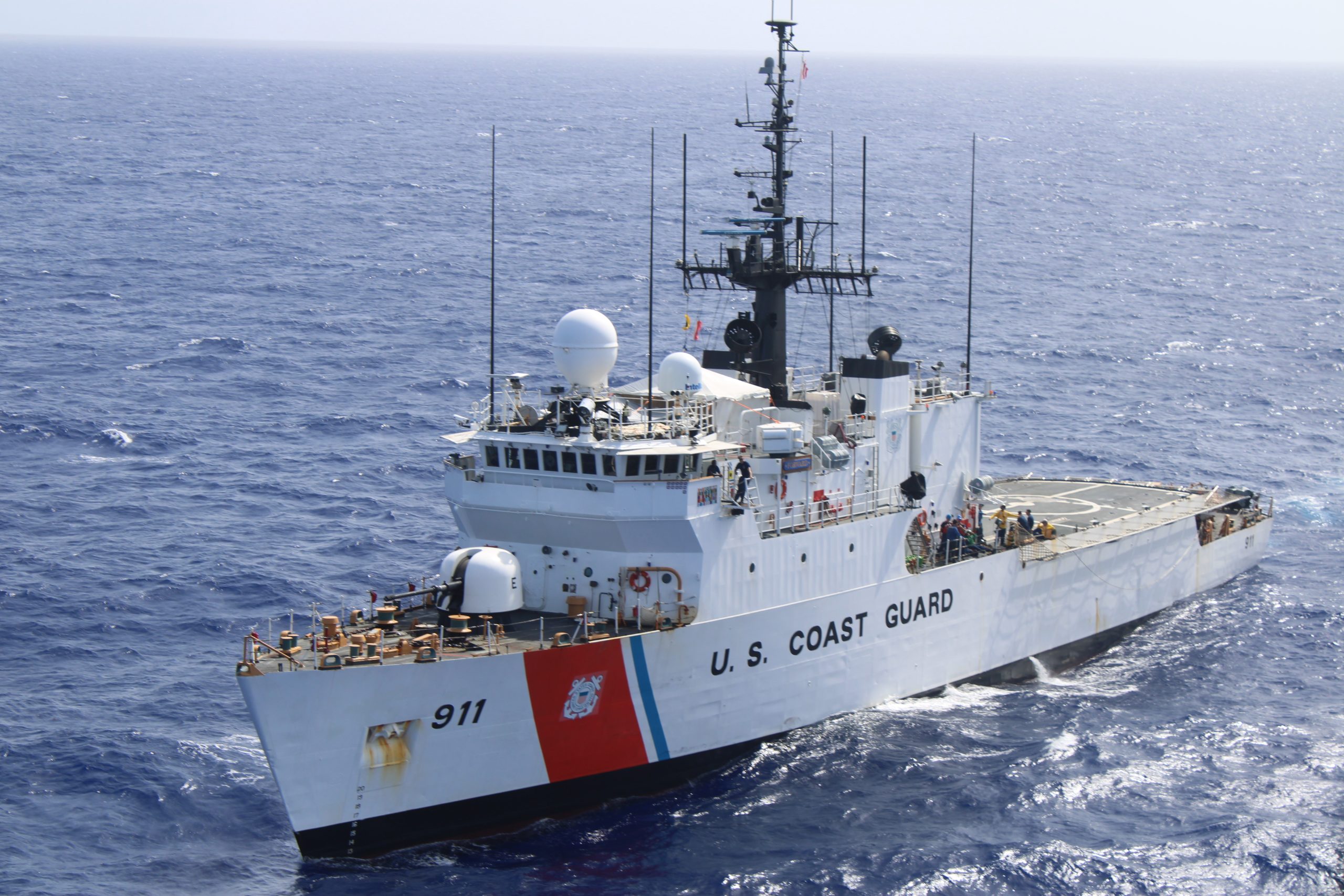
The United States escalated its enforcement of international oil sanctions over the weekend after American authorities pursued a foreign-flagged tanker in international waters near Venezuela, marking the latest move in a widening campaign aimed at curbing illicit oil shipments tied to sanctioned regimes. According to U.S. officials, the vessel, known as Bella 1, was traveling toward Venezuela with the apparent intent of loading crude oil when American forces attempted to intercept it.
The pursuit occurred as the administration of Donald Trump continues to tighten restrictions on Venezuela’s oil sector, which Washington says provides critical revenue to an authoritarian government while fueling global sanctions evasion networks. The tanker is subject to U.S. sanctions due to alleged links to oil shipments originating from Iran, another nation under heavy U.S. energy and financial restrictions.
U.S. officials described Bella 1 as part of a growing “shadow fleet,” a loosely organized network of aging tankers used to transport oil from sanctioned countries while concealing ownership, cargo origins, and destinations. These vessels often disable tracking systems, change names or flags, and rely on opaque corporate structures to avoid detection. American authorities argue that such fleets undermine international sanctions regimes and distort global energy markets.
The vessel was reportedly unladen at the time of the encounter and was sailing toward Venezuelan waters to load crude. U.S. officials said a judicial warrant had already been issued authorizing the tanker’s seizure, allowing American forces to act even though the ship was operating outside U.S. territorial waters. The operation involved coordination with maritime enforcement agencies, including the United States Coast Guard, which has played a central role in recent interdictions.
The pursuit of Bella 1 follows similar actions earlier this month involving other tankers suspected of facilitating Venezuelan oil exports in violation of U.S. sanctions. Collectively, the operations signal a more assertive U.S. posture at sea, with officials emphasizing that enforcement is no longer limited to financial penalties or port restrictions but increasingly includes physical interdiction of vessels believed to be engaged in prohibited trade.
Venezuela, which possesses some of the world’s largest proven oil reserves, has relied heavily on unconventional shipping methods to sustain exports amid years of U.S. and international sanctions. American policymakers argue that oil revenues help prop up the government in Venezuela while enabling corruption and limiting democratic reforms. Caracas and its allies, however, have repeatedly condemned U.S. maritime actions as violations of international law and national sovereignty.
International reaction to the latest pursuit has been mixed. Some governments and analysts view the enforcement actions as a necessary step to preserve the integrity of sanctions and deter illicit trade, while others warn that aggressive interdictions in international waters risk heightening geopolitical tensions and could disrupt global shipping routes. Energy market observers are also watching closely, though U.S. officials have said the operations are unlikely to significantly affect global oil supply or domestic fuel prices.
As enforcement continues, the pursuit of Bella 1 underscores a broader shift in how the United States polices sanctions compliance, moving from paper enforcement to visible action on the high seas. The incident highlights the growing complexity of global energy enforcement, where geopolitics, maritime law, and oil markets increasingly intersect far beyond national borders.