


The United States has lost its measles elimination status for the first time in 26 years, as outbreaks across multiple states have produced thousands of infections, hundreds of hospitalizations and a growing number of deaths. More than 5,400 cases have been reported nationwide in 2026, with Pennsylvania emerging as one of the hardest-hit states amid declining childhood vaccination rates and expanding demands on public health agencies.
The Pan American Health Organization, the regional office of the World Health Organization, announced Tuesday that sustained domestic transmission had ended the elimination designation the United States achieved in 2000. The determination followed an international review of epidemiological records, laboratory findings and transmission patterns documenting uninterrupted circulation of the measles virus for more than 12 months.
The Centers for Disease Control and Prevention recorded 5,412 confirmed cases through November 12, more than twice the 2,289 infections reported throughout 2025. Outbreaks have affected multiple states, including Pennsylvania, Wisconsin, Texas and Utah, requiring extensive exposure investigations, hospital treatment and emergency vaccination efforts.
Pennsylvania has experienced one of the country’s most extensive outbreaks, recording 1,561 confirmed infections across 46 of its 67 counties as of Monday, November 16. More than 300 patients have required hospitalization, and seven deaths have been associated with measles infections.
Approximately one-third of Pennsylvania’s confirmed patients are younger than 18. State surveillance records indicate that only five infected individuals were fully vaccinated, with the overwhelming majority of cases involving people without documented complete immunization.
The outbreak has prompted a substantial expansion of Pennsylvania’s public health operations. Approximately 300 state health employees have participated in vaccination outreach, exposure investigations and emergency response activities. Since late April, personnel have administered more than 7,100 doses of the measles, mumps and rubella vaccine through 259 temporary clinics established in affected communities.
Vaccination demand has increased considerably. Pennsylvania health care providers ordinarily administer approximately 25,000 MMR doses monthly, but that figure exceeded 56,000 in September and reached approximately 61,000 in October as residents sought protection against the spreading virus.
Fatal infections have also been reported elsewhere. Wisconsin has recorded two measles-related deaths involving children, while New York reported its first measles-associated death in more than three decades. Additional outbreaks have required health departments to identify exposure locations, notify potentially infected individuals and coordinate containment measures across affected communities.
The United States achieved measles elimination in 2000 following decades of vaccination campaigns and disease-control efforts. The designation established that continuous domestic transmission had been interrupted, although imported infections and occasional outbreaks remained possible.
Under international verification standards, a country loses elimination status when a continuous chain of measles transmission persists for at least 12 months. The Pan American Health Organization’s independent Regional Verification Commission determined that the United States no longer satisfied that requirement after reviewing outbreak duration, genetic sequencing and laboratory evidence.
Mexico and Bolivia also lost their elimination designations following the regional review, while Canada had previously lost its status. The developments coincide with a broader resurgence of measles throughout the Americas.
Measles is among the most contagious infectious diseases affecting humans. The virus spreads through airborne respiratory particles released when an infected person breathes, coughs or sneezes. Infectious particles can remain suspended in enclosed spaces for up to two hours after an infected individual has departed.
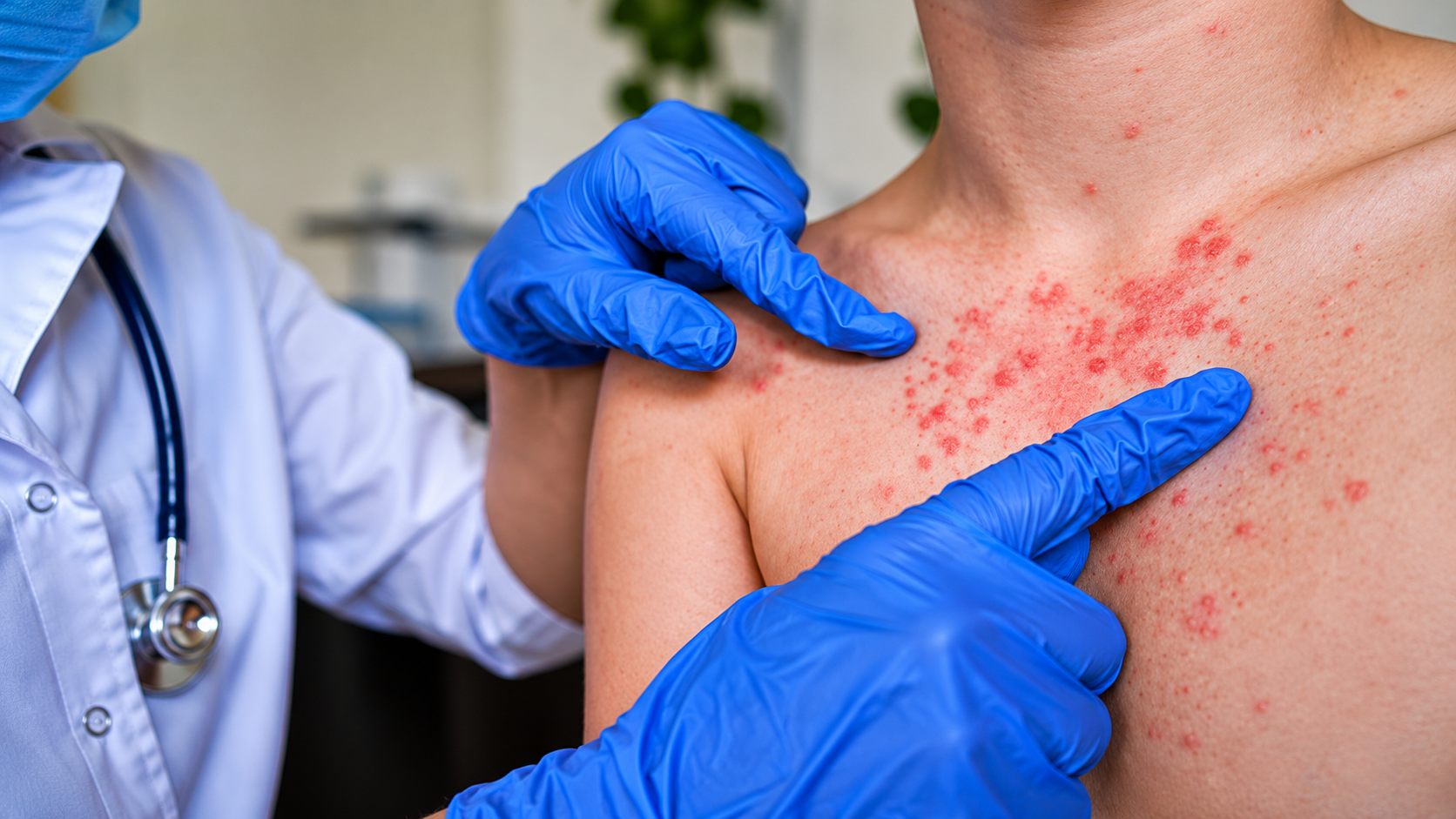
Symptoms generally include high fever, coughing, a runny nose and inflamed eyes, followed by a rash that typically begins on the face and spreads across the body. Illness can develop seven to 21 days after exposure, and infected individuals may transmit the virus before the rash becomes visible.
Complications include pneumonia, severe dehydration, brain inflammation, permanent neurological injury and death. Infants, young children and people with weakened immune systems face increased risks of serious illness.
Two doses of the measles, mumps and rubella vaccine provide approximately 97 percent protection against infection, according to the CDC. Public health authorities generally identify vaccination coverage of approximately 95 percent as necessary to prevent extensive community transmission.
National kindergarten MMR coverage has fallen below that benchmark, declining from 95.2 percent during the 2019–20 academic year to approximately 92.4 percent during 2025–26. The reduction has left hundreds of thousands of children without the recommended level of protection.
Oregon has experienced a similar decline in childhood immunization coverage, with particularly low completion rates in portions of the southern region.
The Oregon Health Authority reported in May that school vaccination completion rates had reached new lows while nonmedical exemptions climbed to record levels. Josephine County recorded Oregon’s lowest overall student vaccination completion rate during the 2025–26 school year, with approximately 80 percent of kindergarten through 12th-grade students current on all required immunizations.
Neighboring Jackson County reported 85.5 percent, compared with approximately 90.2 percent statewide. Nearly 20 percent of Josephine County students held a nonmedical exemption from at least one required vaccination, compared with 13.6 percent in Jackson County and 8.6 percent statewide.
Individual schools reported even lower completion rates. Woodland Charter School in Grants Pass recorded approximately 39 percent of students current on required immunizations, while nearly half held nonmedical exemptions.
Those figures encompass all required school vaccinations rather than measles immunization alone. Nevertheless, they document substantial gaps in childhood vaccination coverage in communities where an introduced infection could spread among susceptible individuals.
The national resurgence has placed increasing demands on hospitals, emergency departments and local public health agencies responsible for identifying infections, investigating exposures and preventing additional transmission. Because measles can spread before its characteristic rash develops, infected individuals may expose others in schools, medical facilities, stores and other public settings before recognizing their illness.
Federal and state health authorities continue coordinating vaccination campaigns, disease surveillance and outbreak investigations. The CDC has worked with local health departments as transmission has extended across jurisdictional boundaries, while federal officials have announced $100 million in support for state and local public health response efforts.
Regaining measles elimination status will require the United States to demonstrate that continuous domestic transmission has been interrupted for at least 12 consecutive months. International verification will depend on epidemiological surveillance, laboratory findings and documented evidence that sustained transmission has ended.
As the country approaches the final weeks of 2026, Pennsylvania’s mounting infections and fatalities, continuing outbreaks in other states and declining childhood vaccination coverage underscore the scale of the national resurgence. The United States now faces the task of containing existing transmission and restoring a public health achievement that remained intact for more than a quarter-century.