


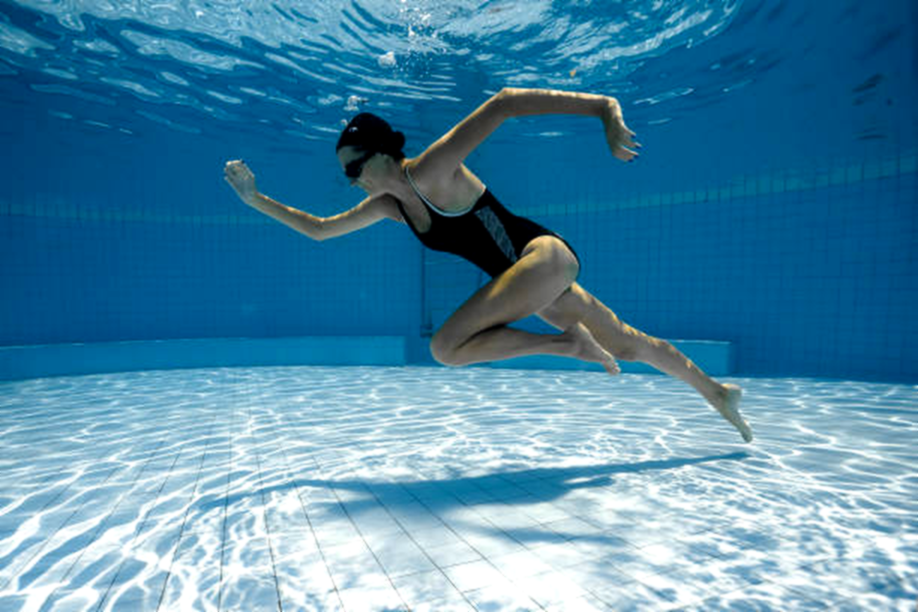
For many people, running has long been the default path to maintaining cardiovascular fitness. It is simple, requires little equipment, and delivers measurable results. But for a growing number of adults, particularly those with aging joints, prior injuries, or chronic conditions, the physical toll of running can begin to outweigh its benefits. When knees ache, hips stiffen, or lower backs protest with each stride, physicians often deliver a difficult recommendation: stop running. What follows for many is uncertainty about how to maintain heart health without worsening the damage. Increasingly, the answer is found not on pavement, but in the water.
Swimming provides a form of cardiovascular exercise that rivals running in its ability to elevate heart rate, improve circulation, and strengthen the cardiovascular system. The defining difference lies in the environment in which the body performs the work. Water fundamentally changes how force is distributed across the body, reducing the impact placed on joints to a fraction of what occurs during land-based exercise.
When a person runs, each foot strike can generate forces equal to two to three times their body weight. Over the course of a single mile, that translates into thousands of repetitive impacts absorbed primarily by the knees, ankles, and hips. Even for healthy individuals, this cumulative stress can lead to overuse injuries. For those with arthritis, cartilage deterioration, or previous ligament damage, the strain can accelerate joint degeneration and inflammation.
Swimming eliminates this repetitive impact almost entirely. The buoyancy of water supports the body, reducing gravitational stress on joints while still allowing muscles and the cardiovascular system to work continuously. Instead of absorbing shock with each movement, the body moves through resistance that is evenly distributed. This creates a training environment where the heart and lungs are challenged without subjecting the skeletal system to the same level of wear and tear.
From a physiological standpoint, swimming demands sustained effort from large muscle groups, including the shoulders, back, core, and legs. This full-body engagement can enhance cardiovascular endurance while also improving muscular balance and coordination. The horizontal position of the body in the water further supports efficient blood circulation, reducing strain on the heart compared to upright, high-impact activities. For individuals managing conditions such as joint pain, obesity, or post-surgical recovery, this combination of reduced impact and sustained exertion is particularly valuable.
Most medical professionals often recommend swimming or aquatic exercise for patients who are no longer able to tolerate high-impact workouts. This includes individuals with osteoarthritis, those recovering from joint replacement surgeries, and older adults seeking to preserve mobility. By removing impact from the equation, swimming allows these individuals to continue engaging in meaningful cardiovascular activity without exacerbating underlying issues.
Another advantage lies in the consistency it allows. Pain is one of the primary reasons people abandon exercise routines. When each workout is associated with discomfort or the risk of injury, adherence declines. Swimming offers a path to consistency by minimizing pain triggers. The ability to exercise regularly without setbacks is critical to long-term cardiovascular health, and water-based exercise often makes that possible when other forms no longer do.
In southern Oregon, where access to community pools, rivers, and recreational facilities is readily available throughout much of the year, incorporating swimming into a fitness routine is both practical and accessible. Whether through structured lap swimming, water aerobics, or simply consistent time in the pool, individuals have options that can be tailored to their fitness level and physical limitations.
None of this diminishes the value of running for those who can do it safely. Running remains an effective and efficient form of cardiovascular exercise. However, it is not the only path. For those whose bodies are signaling that the impact is no longer sustainable, swimming offers a scientifically sound alternative that protects joints while still strengthening the heart.
As the body changes over time, so too must the methods used to care for it. Transitioning from pavement to pool is not a step backward, but an adaptation grounded in both medical guidance and long-term wellness.