


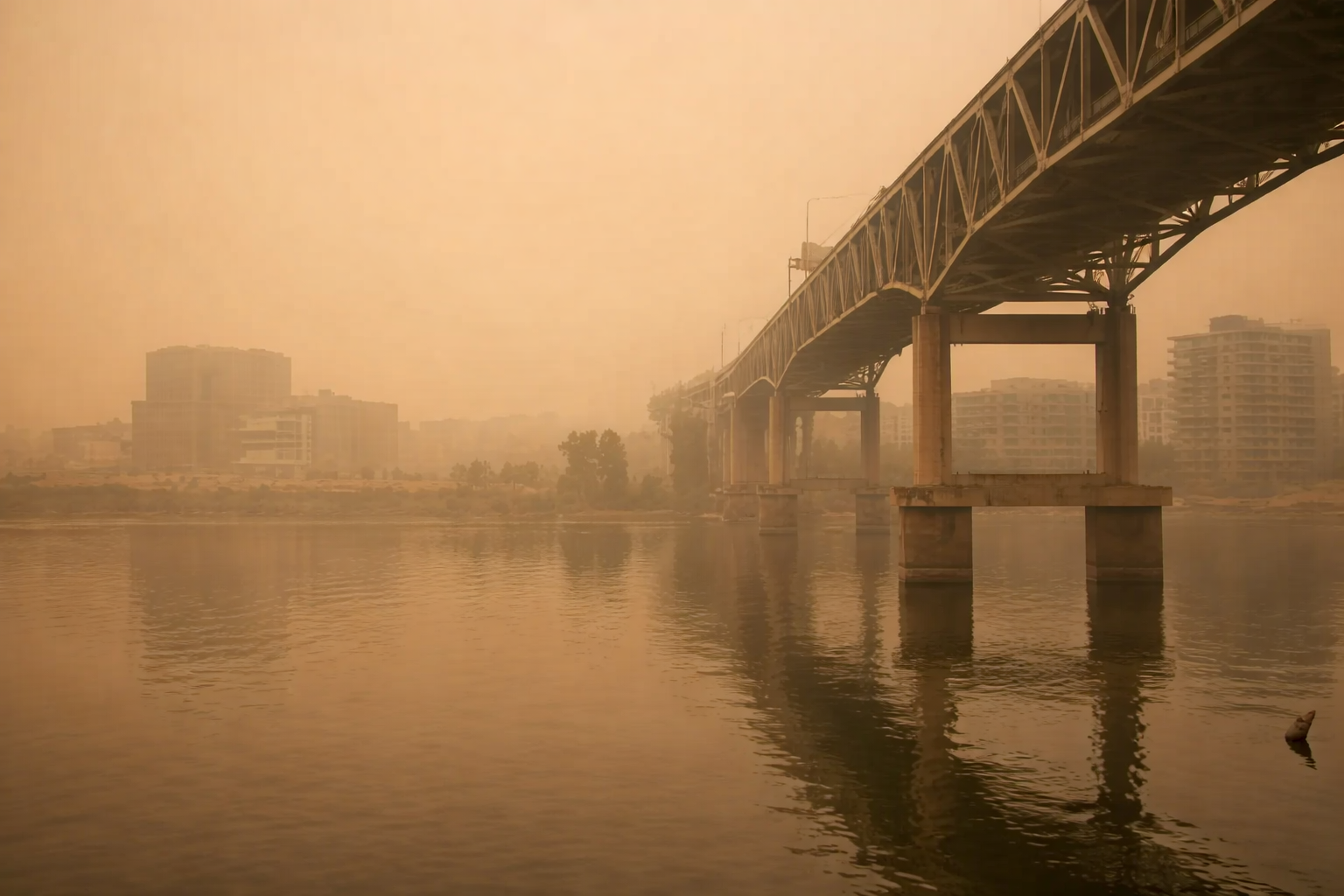
Wildfire season continues to tighten its grip on Oregon as expanding smoke, dangerous fire weather and persistent dry conditions combine to create growing concerns for residents from Portland to the Oregon Coast, the Willamette Valley, Central Oregon, Eastern Oregon and throughout Southern Oregon. While firefighters remain engaged on multiple large wildfires across the state, public health officials and emergency managers are urging Oregonians to remain vigilant as rapidly changing weather conditions increase both wildfire danger and the potential for worsening air quality.
Smoke has become one of the most widespread impacts of this year’s fire season. Although many of the state’s largest fires are burning in Central, Eastern and Southern Oregon, shifting winds are transporting smoke far beyond active fire zones, affecting communities hundreds of miles away. Conditions can change dramatically within just a few hours as wind direction shifts, making it possible for a community to wake up to relatively clear skies and experience unhealthy air by afternoon.
State air quality advisories remain in effect for numerous counties, with additional areas experiencing intermittent smoke as weather patterns evolve. Even communities not currently under an advisory can see sudden changes in air quality, prompting health officials to encourage residents to monitor conditions daily rather than relying on visibility alone.
Wildfire smoke contains microscopic particles known as fine particulate matter, or PM2.5, that can travel deep into the lungs and enter the bloodstream. These particles can irritate the respiratory system, reduce lung function and increase stress on the cardiovascular system. While anyone can experience health effects during smoky conditions, the greatest risks continue to fall on children, older adults, pregnant women and individuals living with asthma, chronic obstructive pulmonary disease, heart disease or other chronic medical conditions.
Symptoms associated with wildfire smoke exposure may include coughing, sore throats, burning eyes, headaches, chest discomfort, wheezing and shortness of breath. Individuals who spend extended periods outdoors, including construction workers, agricultural employees, utility crews, first responders and recreation enthusiasts, may face increased exposure because physical activity causes the body to inhale larger volumes of smoke.
Health officials continue advising residents to reduce outdoor activity whenever smoke reaches unhealthy levels. Keeping windows and doors closed, operating air conditioning systems on recirculation when possible and using portable air cleaners equipped with high efficiency filters can significantly improve indoor air quality. When outdoor activity cannot be avoided during periods of dense smoke, properly fitted N95 respirators remain one of the most effective ways to reduce exposure to harmful airborne particles.
At the same time smoke continues affecting communities, much of Oregon remains under periods of Red Flag Warnings issued by the National Weather Service. These warnings represent some of the most serious fire weather alerts issued during wildfire season and indicate that weather conditions are favorable for rapid wildfire growth and extreme fire behavior.
Current Red Flag Warnings are being driven by a dangerous combination of critically low humidity, exceptionally dry vegetation, gusty afternoon and evening winds and the threat of dry thunderstorms capable of producing lightning with little or no rainfall. Together, these conditions create an environment where even a single spark can ignite a fast moving wildfire capable of spreading before firefighters can establish containment lines.
Dry lightning presents one of the greatest concerns during these weather events because lightning strikes can ignite multiple fires across remote landscapes within a matter of hours. Strong, shifting winds may then push those fires rapidly across dry grasses, brush and timber while creating unpredictable fire behavior that complicates suppression efforts and threatens nearby homes, businesses and transportation corridors.
Because of these conditions, fire officials continue urging residents to eliminate activities capable of producing sparks. Outdoor burning remains prohibited across much of Oregon, and residents are encouraged to avoid using equipment that could ignite dry vegetation. Activities such as mowing dry grass during the hottest part of the day, operating chainsaws or metal cutting equipment without proper precautions, parking vehicles on dry grass or allowing trailer safety chains to drag along roadways can all produce sparks capable of starting a wildfire under Red Flag conditions.
Emergency managers also encourage families to prepare before conditions worsen. Residents living in or near wildfire prone areas should review evacuation routes, prepare emergency supply kits, keep vehicles fueled, monitor evacuation notifications and ensure important documents and medications can be gathered quickly if evacuation orders are issued. Fire behavior can change rapidly when weather conditions deteriorate, leaving little time to prepare after a wildfire begins threatening a community.
The impacts of wildfire smoke extend well beyond personal health. Dense smoke can significantly reduce visibility on highways, increasing the risk of traffic collisions, particularly during early morning and evening hours. Outdoor sporting events, festivals, county fairs and recreational activities may be postponed or canceled when air quality deteriorates. Schools, childcare providers, employers and healthcare facilities may also modify outdoor activities to reduce smoke exposure for students, employees and patients.
Meanwhile, firefighters continue battling multiple significant wildfires across Oregon while remaining prepared for new ignitions as lightning and dry weather persist. Aircraft, hand crews, engines and heavy equipment remain positioned throughout the state to protect lives, homes, critical infrastructure and natural resources as fire season enters one of its most active periods.
Officials emphasize that wildfire preparedness now extends beyond protecting homes from flames. It also includes protecting personal health, monitoring daily air quality conditions, understanding Red Flag Warnings and recognizing how quickly fire weather can change. A wildfire burning dozens or even hundreds of miles away can still have a direct impact on the air residents breathe, making awareness and preparation essential for every Oregon community.
As Oregon moves through the height of wildfire season, emergency officials continue encouraging residents to stay informed, follow fire restrictions, monitor changing weather and air quality conditions, and remain prepared to act should wildfire activity or smoke conditions worsen. While firefighters continue making progress on active incidents, the combination of dry fuels, elevated temperatures, gusty winds and the potential for additional lightning means the threat of new fires and unhealthy air will likely remain a part of daily life across Oregon in the weeks ahead.