


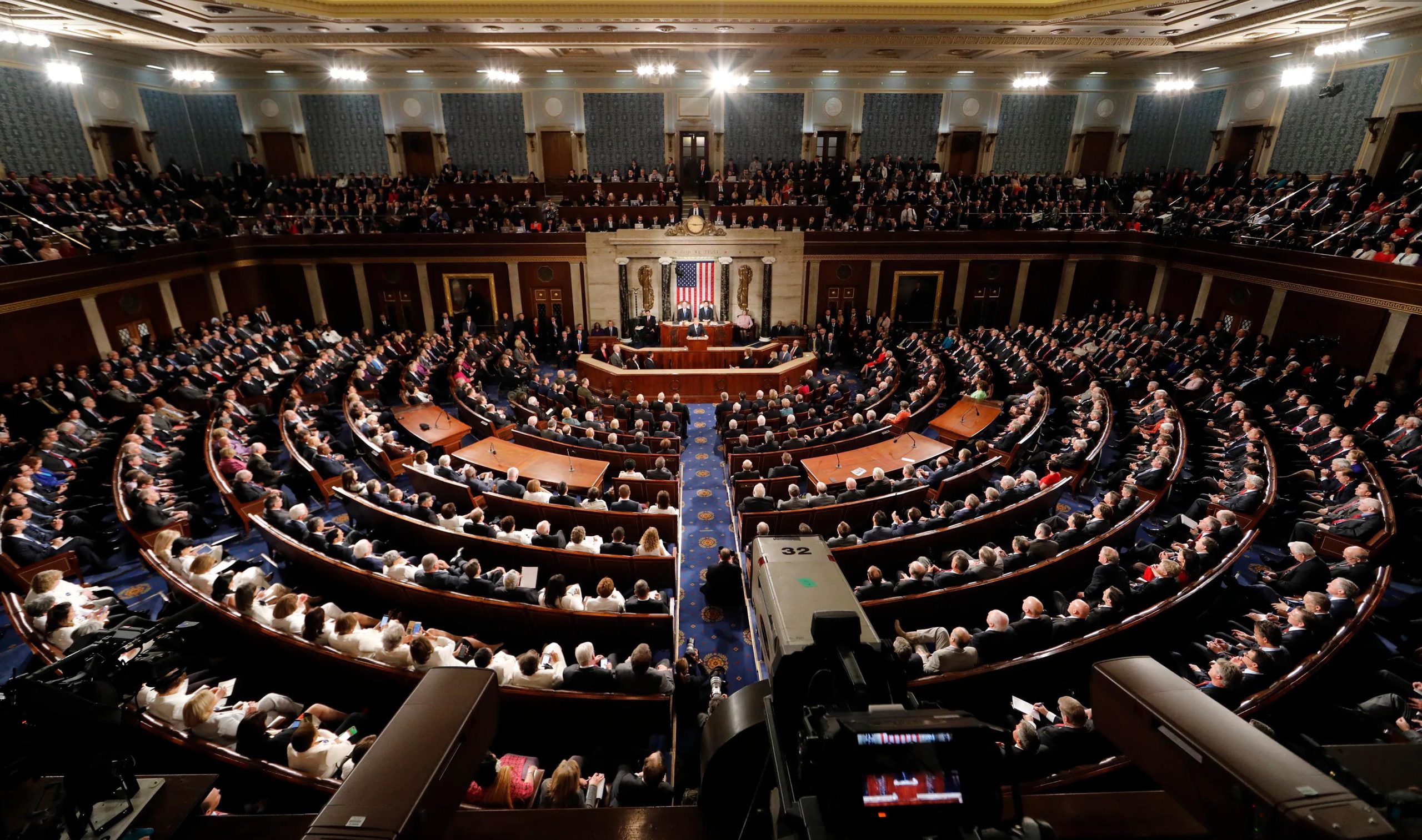
WASHINGTON, D.C. — After weeks of tense negotiations and internal party division, Senate Republicans on Tuesday narrowly passed President Donald Trump’s massive tax and spending reform package, marking a significant legislative victory for the administration. However, the bill’s journey is not yet complete. It must still pass the U.S. House of Representatives before it can reach the president’s desk for final approval.
The Senate vote capped a prolonged political struggle within the Republican Party, marked by sharp disagreements over key provisions in the legislation and concern over the bill’s long-term fiscal impact. Despite having majorities in both chambers of Congress, GOP leadership faced a series of setbacks in recent weeks, with several lawmakers expressing hesitation or outright opposition.
The legislation combines major tax cuts with large-scale spending adjustments, aiming to reshape the federal government’s economic role. Supporters argue the plan will stimulate business investment, create jobs, and simplify the tax code, while critics have raised concerns about its potential to increase the national debt and disproportionately benefit corporations and high-income earners.
President Trump took an active role in the final push to secure support, reaching out directly to skeptical senators in recent days. His efforts were credited with helping break the deadlock among a handful of key Republican holdouts whose votes were critical for the bill’s passage. Ultimately, the Senate approved the package along party lines, reflecting the deep partisan divide surrounding the legislation.
The bill includes significant changes to both corporate and individual taxes, slashing the corporate tax rate and restructuring brackets for personal income taxes. It also includes a mix of spending cuts and increases, with funding adjustments that could affect programs ranging from healthcare to education. While many Republicans have touted the legislation as a historic achievement, Democrats have criticized the bill as rushed and lacking sufficient input from bipartisan stakeholders.
With the Senate vote secured, attention now turns to the House of Representatives, which is expected to reconvene on Wednesday for a vote on the final version of the bill. Although the House had previously passed a similar version, differences between the two chambers’ proposals required reconciliation. Some House members may raise concerns over specific changes made in the Senate, but Republican leaders remain optimistic that they will be able to deliver final passage.
If approved by the House, the bill would represent a significant political and legislative win for President Trump, one of the largest overhauls of the tax system in decades. It would also fulfill a major campaign promise by delivering tax relief and regulatory reform.
Still, questions remain about the long-term effects of the legislation. Independent analysts and budget watchdogs have warned that the proposed cuts could add trillions to the federal deficit over the next decade unless paired with future spending reductions or revenue offsets. Some state and local governments may also face challenges adapting to the federal changes, particularly in areas related to tax deduction limits and funding shifts.
For now, Republican lawmakers are focused on clearing the final hurdle and delivering the bill to the president. With the House poised to vote within the next day, the outcome will determine whether this ambitious legislative effort becomes law—or stalls at the finish line. Either way, the result is likely to shape the political landscape heading into the next election cycle and redefine economic policy for years to come.