


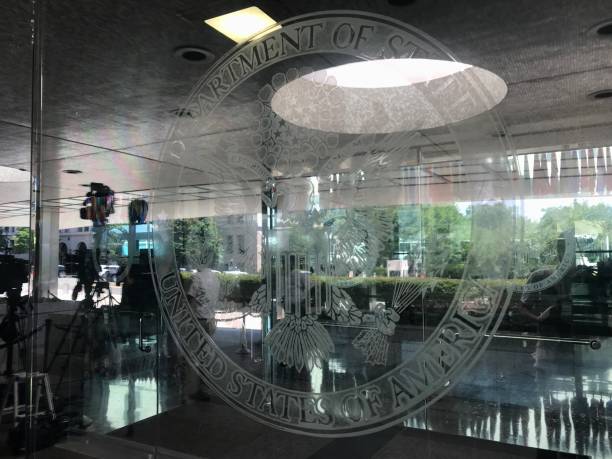
The U.S. State Department announced it is suspending the issuance of visitor visas for residents of Gaza, just one day after a conservative activist circulated videos questioning how children from the region were able to travel to the United States for medical care.
The decision, confirmed by State Department officials this week, places a temporary hold on the processing of all visitor visas for applicants from Gaza while a review of current procedures is conducted. The move follows heightened public attention after Laura Loomer, a right-wing commentator and activist, posted videos on social media showing children from Gaza who had recently arrived in the U.S. for treatment. Loomer publicly raised questions about how the minors obtained visas amid ongoing conflict and strict travel restrictions on the territory.
While the State Department did not reference Loomer or her posts directly, officials said the pause was necessary to evaluate vetting processes and ensure consistency in visa issuance. The department emphasized that security considerations are central to all U.S. visa decisions, particularly for applicants from conflict zones. Officials described the suspension as temporary and said it will remain in place until the review is completed.
The Gaza Strip, home to over two million people, has been under blockade and frequent military conflict for more than a decade, with ongoing humanitarian concerns related to access to medical care. In many cases, children and adults requiring urgent treatment are transferred outside the region through international aid programs, non-governmental organizations, or partnerships with hospitals abroad. The United States has previously accepted a small number of such cases, though details of the programs and the vetting process are rarely made public for security reasons.
The suspension of visitor visas adds a new layer of uncertainty for families in Gaza seeking medical help overseas. International aid organizations have long pointed to the need for access to advanced treatment unavailable in the region’s limited healthcare system, particularly as medical infrastructure has deteriorated under the strain of conflict. It remains unclear whether humanitarian exceptions or emergency medical visas will continue to be processed during the pause.
Critics of the State Department’s decision warn that halting visas entirely could endanger vulnerable individuals, particularly children who require urgent, life-saving care abroad. Supporters argue that the review is a necessary step to safeguard U.S. security and ensure the visa process is not exploited.
The announcement underscores how social media can influence national policy debates, with Loomer’s videos drawing significant attention among political circles online. Her commentary, which framed the children’s arrival as a matter of national security concern, sparked widespread discussion across partisan lines. Within 24 hours, the State Department confirmed the visa freeze, highlighting the growing intersection between public discourse on digital platforms and rapid federal responses.
The length and scope of the review remain unclear, and the State Department has not provided a timeline for when visa processing for Gaza residents may resume. For now, families in need of medical assistance face added obstacles as political scrutiny and security concerns shape U.S. immigration and humanitarian policy.