


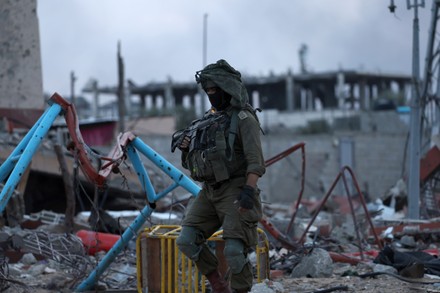
In a significant development in the ongoing Gaza conflict, Hamas announced Monday that it has accepted a new ceasefire proposal mediated by Arab nations, offering a potential path toward halting a war that has devastated the region for nearly two years. The announcement comes as the Palestinian death toll surpasses 62,000, according to the Gaza Health Ministry.
Despite Hamas’ acceptance, Israel has not indicated any shift in its stance. Israeli officials said their position remains unchanged, suggesting that prospects for an immediate truce remain uncertain. The Israeli government, which has been carrying out a sustained military campaign against Hamas following the group’s attacks on Israeli civilians and soldiers, has long insisted that any ceasefire must include the unconditional return of hostages and a full dismantling of Hamas’ military capabilities.
The latest ceasefire proposal reportedly originated from mediators in Egypt and Qatar, with input from the United States. Though the full terms have not been publicly disclosed, prior drafts have included multi-phase frameworks for pausing hostilities, exchanging prisoners, and allowing humanitarian aid to enter Gaza—provisions that have been part of stalled negotiations for months. Hamas claims it has agreed to terms that would include the phased withdrawal of Israeli forces and the beginning of reconstruction efforts in Gaza, which has been heavily damaged by airstrikes and ground operations.
The war, now in its 22nd month, has inflicted severe humanitarian costs on the 2.2 million residents of the Gaza Strip. The Gaza Health Ministry, which is operated by Hamas but generally viewed as the most comprehensive source for casualty figures in the region, stated that over 62,000 Palestinians have been killed since the conflict escalated in late 2023. The United Nations and multiple international organizations have expressed grave concern over the scale of destruction, displacement, and civilian suffering in Gaza.
In Israel, more than 1,400 people have been killed since the conflict began, many during the initial Hamas-led incursion. Dozens of hostages remain in captivity, and repeated efforts to negotiate their release as part of a ceasefire framework have failed.
The Biden administration has maintained consistent pressure on both sides to reach a deal, calling for an immediate humanitarian pause followed by more durable security arrangements. However, deep mistrust and entrenched political positions have prevented progress. Israel’s Prime Minister Benjamin Netanyahu faces internal political pressure to continue the campaign until Hamas is decisively defeated, while Hamas maintains that no lasting peace can be achieved without ending what it calls Israeli occupation.
As of Monday night, the international community awaits Israel’s official response to Hamas’ acceptance of the new proposal. The coming days could prove pivotal, determining whether the region moves toward de-escalation or deeper into prolonged conflict. Meanwhile, civilians on both sides continue to bear the heaviest burden in a war that shows little sign of ending without external intervention.