


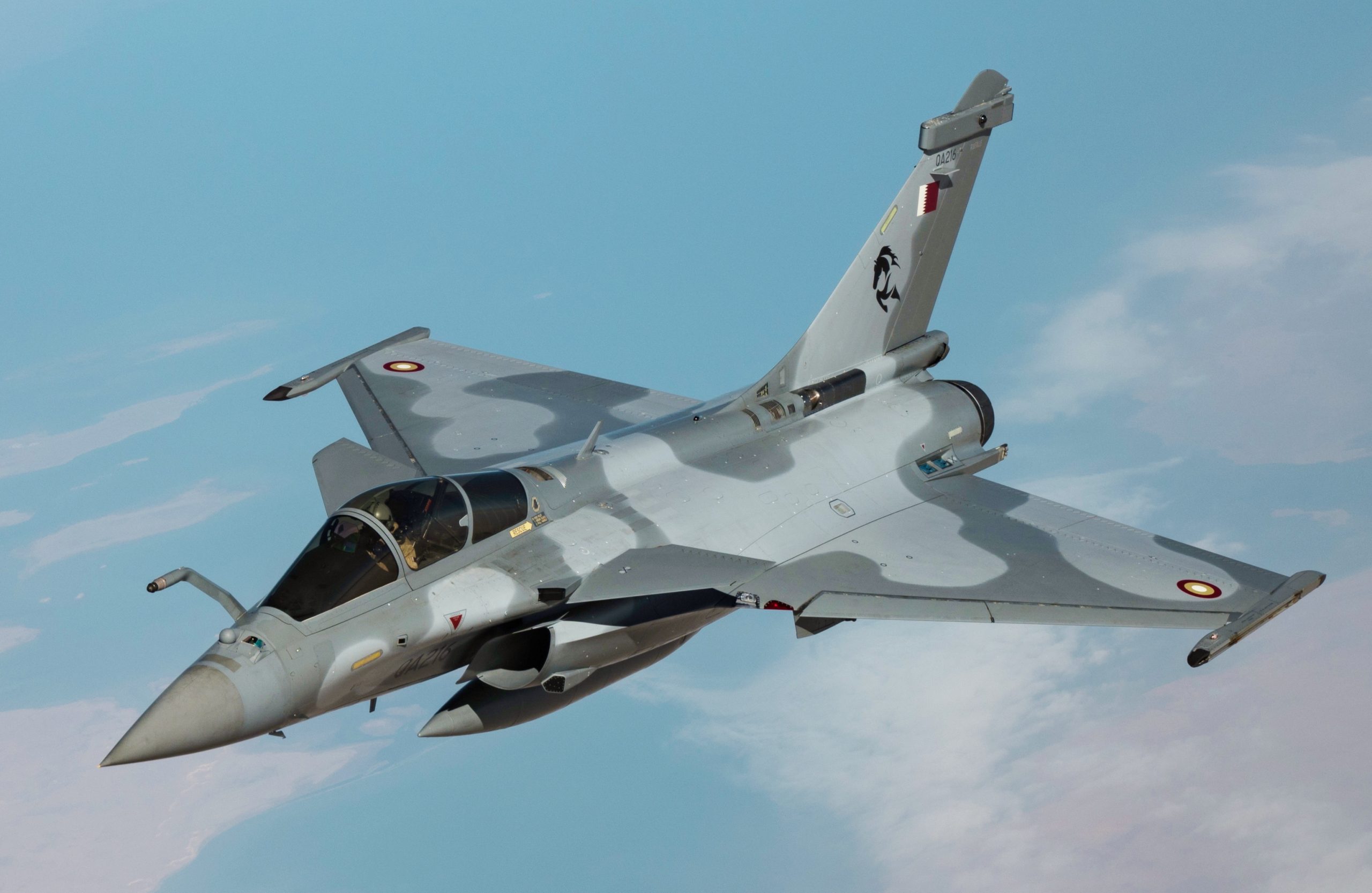
A newly finalized agreement between the United States Department of Defense and the Qatari Emiri Air Force will allow Qatar to build a military training facility at Mountain Home Air Force Base in Idaho. The arrangement, announced by Defense Secretary Pete Hegseth, represents a significant expansion of U.S.–Qatari defense cooperation and has prompted both strategic interest and public debate about foreign military involvement on American soil.
Under the terms of the agreement, the facility will be constructed by U.S. contractors under American military supervision. It is intended to house approximately a dozen Qatari F-15 fighter jets and around 300 Qatari personnel. The mission is to conduct joint training operations with U.S. forces, with an emphasis on interoperability and advanced pilot development. Mountain Home Air Force Base, which already hosts a long-term training presence for the Republic of Singapore Air Force, was chosen for its existing infrastructure and airspace suited to high-performance aircraft training.
Officials have stressed that the base will remain entirely under U.S. command and control. Qatar will not exercise sovereign authority over the installation, nor will the facility constitute a foreign military base in the traditional sense. Instead, it will operate as a U.S.-controlled site that hosts foreign aircraft and personnel under a bilateral defense cooperation framework.
The arrangement is expected to last approximately ten years, with provisions for potential extensions based on future negotiations. While financial details have not been fully released, Qatar is expected to fund the construction of the facility. Operational costs and oversight responsibilities will remain under U.S. management, ensuring that control over the site’s function and activities stays within American hands.
Strategically, the move is designed to deepen defense ties between the two countries, which have maintained a cooperative security relationship for decades. Qatar hosts one of the largest U.S. military installations in the Middle East and is a major purchaser of American defense equipment, including advanced fighter aircraft. By basing some of its aircraft and personnel in the United States, Qatar aims to train pilots more effectively alongside U.S. forces and strengthen joint operational capabilities.
The announcement has stirred a mix of curiosity, support, and skepticism in both political circles and the communities surrounding Mountain Home Air Force Base. Backers see the deal as a natural progression of the U.S.–Qatar defense relationship, one that strengthens alliances and bolsters training capabilities on both sides. Others, however, are far less convinced. They’re pressing for clearer answers on how Qatari personnel will be governed under U.S. law, who holds legal authority if crimes occur on base, and what safeguards exist to keep the agreement from expanding beyond its stated purpose. Questions about transparency, oversight, and the broader implications of hosting a foreign military presence on American soil continue to hang in the air.
Although the Pentagon has emphasized that the facility is for training purposes and will remain under American control, concerns about potential mission expansion and long-term implications continue to circulate. The agreement’s details, including termination clauses and oversight provisions, have not yet been made fully public.
As construction plans move forward, the development at Mountain Home Air Force Base marks a notable moment in U.S.–Qatar relations. It underscores the growing role of international defense partnerships on American soil while raising complex questions about sovereignty, security, and the future of cooperative military arrangements.