


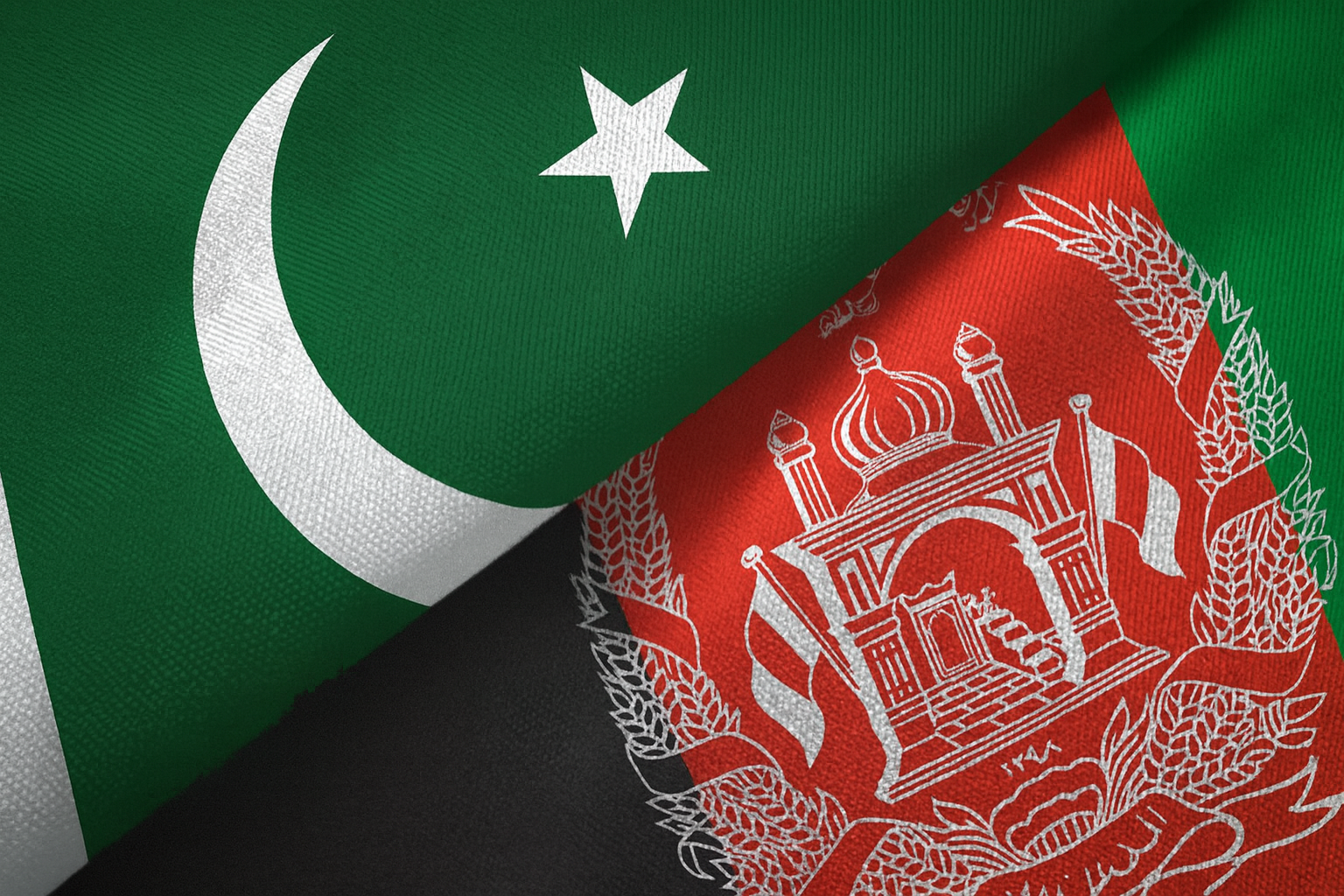
Pakistan and Afghanistan have reached a ceasefire agreement following several days of intense cross-border fighting that marked one of the deadliest escalations between the two nations in recent years. The truce, announced Wednesday, comes after dozens of people were killed on both sides of the border, raising concerns among neighboring countries and international observers about the potential for broader instability.
The clashes erupted along the often volatile border regions, where disputes over territory, security operations, and militant activity have periodically flared into violence. In recent days, sustained exchanges of fire led to significant casualties among both military personnel and civilians, straining already fragile relations between the two countries.
The situation drew swift attention from regional powers. Saudi Arabia and Qatar were among the nations that issued strong appeals for both sides to halt the hostilities. Their diplomatic pressure, combined with broader international concern about the security implications, contributed to the decision to temporarily halt fighting and begin dialogue.
The ceasefire is seen as a critical step to prevent further escalation at a time when extremist groups such as the Islamic State and al-Qaida are attempting to reassert themselves in the region. Analysts warn that ongoing conflict between Pakistan and Afghanistan could create security gaps that these groups may exploit, potentially destabilizing not only the two countries but also the broader region.
Both nations share a long, porous border known as the Durand Line, which has historically been a source of tension. Pakistan has increased its border fortifications in recent years, citing concerns about militant infiltration and cross-border attacks. Afghanistan, meanwhile, has often criticized these measures as unilateral actions that disregard longstanding territorial sensitivities.
The recent outbreak of violence highlights the underlying mistrust that persists despite periodic efforts to cooperate on security and trade. Previous agreements to increase coordination have often faltered in the face of political changes, local grievances, and the activities of armed groups operating along the frontier.
While the ceasefire offers a reprieve, its durability remains uncertain. Past truces have sometimes been short-lived, breaking down amid renewed border skirmishes or political disagreements. Regional observers note that a lasting resolution will likely require more structured negotiations addressing both security concerns and the root causes of the border tensions.
For the international community, the development comes at a time of growing concern about the resurgence of militant organizations in Afghanistan since the Taliban returned to power. Cross-border instability complicates efforts to monitor and counter these groups, raising fears that the region could once again become a staging ground for transnational terrorism.
The ceasefire now opens a narrow window for diplomacy. Whether it leads to sustained peace or merely pauses hostilities remains to be seen, but the agreement underscores the urgent need for dialogue between Islamabad and Kabul to prevent further bloodshed and contain broader regional risks.