


Waste disposal is rarely a topic that captures public enthusiasm, yet it remains one of the most essential services that quietly keeps communities functioning. In Josephine County, the reality of maintaining that system has recently come into sharper focus as a new rate increase tied to the Kerby Transfer Station takes effect, prompting discussion across the region about cost, responsibility, and the ongoing challenge of managing waste in a rural county.
Located along Kerby Mainline Road in the Illinois Valley, the Kerby Transfer Station serves as a critical drop-off point for garbage and recyclable materials collected from the southern portion of Josephine County. The facility acts as a consolidation hub where waste brought in by residents, businesses, and haulers is gathered and transported to larger disposal facilities outside the immediate area. For many residents living in rural communities throughout the Illinois Valley, the station is not simply a convenience but a necessity.
County officials recently approved a rate adjustment affecting waste disposal tied to the Kerby facility. The increase reflects rising operational costs within the broader regional waste system, including transportation, labor, fuel, and infrastructure maintenance. While any increase in fees can create frustration for residents already managing rising household expenses, local leaders and waste operators say the change is part of maintaining a system that continues to function effectively.
County Commissioner Ron Smith emphasized that maintaining operations at the transfer station is essential for protecting the community and the surrounding environment. He explained that if the facility were ever forced to close due to a lack of funding or support, the county would likely see a significant increase in illegal dumping across rural areas, roadways, and public lands. Smith noted that while rate adjustments may be frustrating for residents, keeping the transfer station operational is a necessary step to prevent unmanaged waste disposal and to ensure the county continues to provide responsible waste management services for the community.
Without properly maintained disposal facilities, rural communities often face a different set of problems, including illegal dumping and unmanaged waste that can accumulate along roadways, forest land, and waterways. Those situations can create environmental hazards and place additional burdens on county resources that must later address cleanup efforts.
The Kerby Transfer Station plays an especially important role in preventing those issues from developing in the Illinois Valley. Because the region is geographically spread out and far from major landfill infrastructure, the transfer station provides a central location where waste can be handled responsibly before being hauled to its final destination.
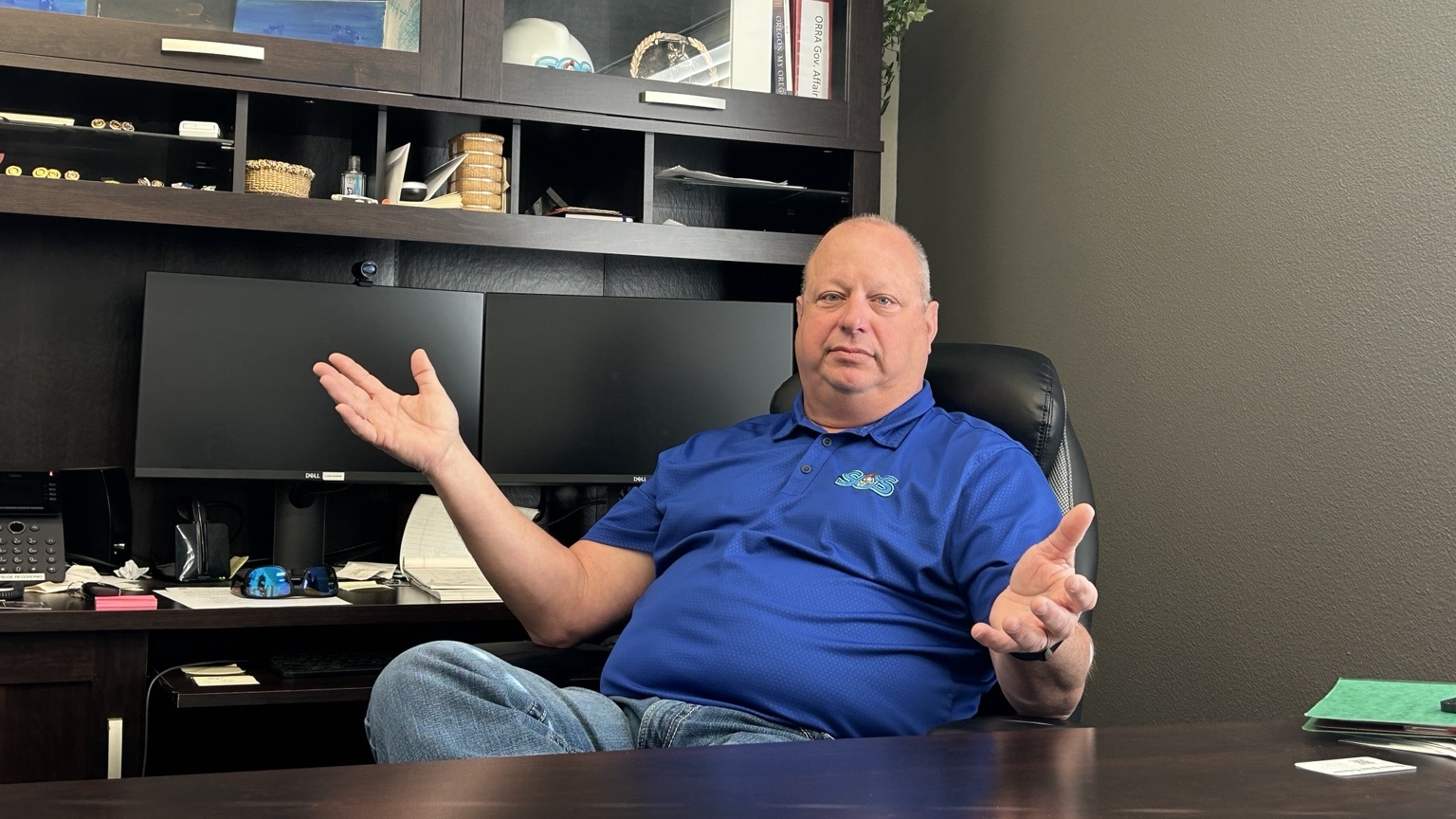
The Grants Pass Tribune recently sat down with Trent Carpenter of Southern Oregon Sanitation to discuss the situation and the challenges surrounding the rising costs associated with maintaining the facility and the larger waste management network that supports it. Carpenter explained that the adjustments are not ideal, but they are also far from the worst-case scenario that could occur if the system were forced to absorb increasing operational costs without adjustments. “Our concern is more about the environment and the community by preventing unnecessary dumping. While no one likes to see fees increase, maintaining a reliable place for people to properly dispose of their waste helps keep the Illinois Valley and the rest of Josephine County clean and protects the landscapes that residents care about.”
Waste disposal infrastructure is heavily influenced by external economic pressures that have intensified across the country over the past several years. Transportation costs, regulatory requirements, equipment maintenance, and labor expenses have all increased as inflation continues to affect nearly every sector of the economy. Waste hauling operations, which rely heavily on fuel and specialized equipment, are particularly sensitive to those shifts.
The result is a situation familiar to many local governments and service providers across Oregon and the nation. Maintaining reliable services requires periodic adjustments that reflect the real costs of operating those systems. In Josephine County, the Kerby Transfer Station remains one of the most important facilities for maintaining waste collection access in rural communities that might otherwise struggle to manage household garbage and recyclables.
For residents, the increase represents another small but noticeable cost in a time when many everyday expenses have already climbed. Still, local leaders and service providers emphasize that maintaining the infrastructure that keeps communities clean benefits everyone who lives in the region.
Communities that have reliable waste disposal systems tend to experience fewer environmental problems, less roadside dumping, and cleaner public spaces overall. In rural areas especially, accessible facilities like the Kerby Transfer Station help ensure that residents have a responsible option for disposing of household waste rather than resorting to illegal dumping or other harmful practices.
In many ways, the situation reflects a simple reality shared by growing communities everywhere. As populations expand and infrastructure ages, the systems that support daily life must evolve as well. Waste management may not always be visible, but its importance becomes clear when those services are disrupted.
For Josephine County residents, the new rate increase may be an unwelcome adjustment, yet it is also part of sustaining a system that benefits the entire region. Maintaining clean communities, protecting natural landscapes, and ensuring that rural residents have access to proper disposal services requires cooperation across the county.
Sometimes the balance between cost and necessity forces communities to accept changes that are less than ideal. In the case of the Kerby Transfer Station, local leaders believe the adjustment represents a practical step toward maintaining a service that continues to serve the people of Josephine County today and into the future.