


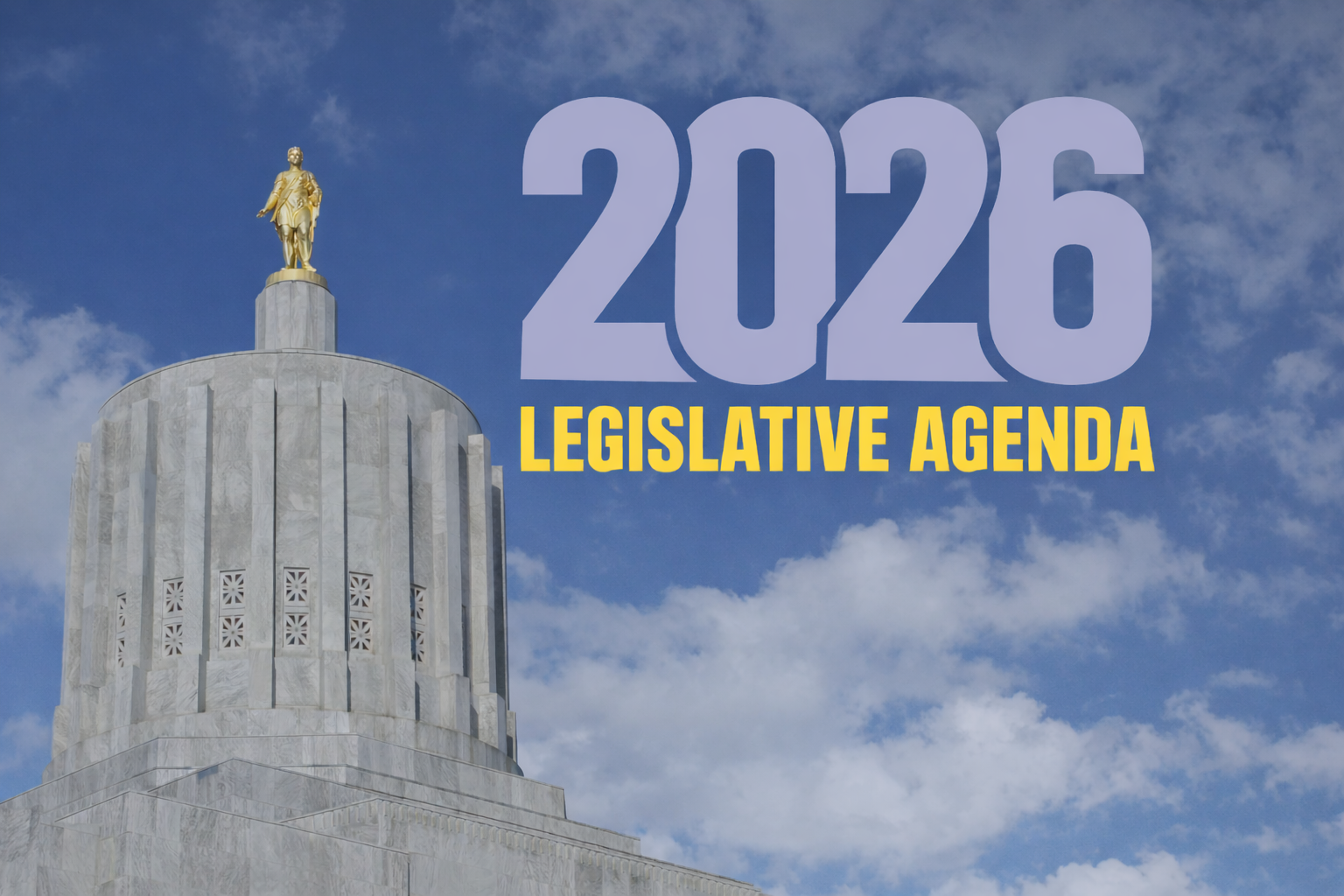
Lawmakers gathered at the Oregon State Capitol on Tuesday for a full slate of committee hearings, budget discussions and floor sessions, marking another active day in the 2026 regular session of the Oregon Legislative Assembly. According to the Legislature’s official calendar, activity stretched from early morning committee meetings to late-afternoon oversight hearings, reflecting the breadth of policy issues currently under consideration.
The day began with simultaneous committee meetings at 8 a.m., a common scheduling approach during peak legislative periods. The House Committee on Rules convened to address procedural matters, including bill referrals and potential adjustments to chamber operations. The Rules Committee often plays a pivotal role in shaping how legislation moves through the process, determining which measures are sent to specific policy committees and how certain parliamentary questions are resolved.
At the same hour, the Joint Subcommittee on Public Safety met to examine budget and policy issues affecting Oregon’s justice system. Joint subcommittees include members from both chambers and are typically tasked with reviewing agency budgets and program performance. Public safety discussions this session have centered on funding allocations, correctional system oversight, and community-based prevention strategies, areas that frequently draw attention from both state officials and local governments.
The Senate Committee on Early Childhood and Behavioral Health also convened in the morning. That committee has been reviewing proposals aimed at strengthening early learning systems and addressing ongoing behavioral health challenges across the state. Oregon continues to face workforce shortages in mental health services, as well as increasing demand for early intervention programs. Legislative proposals in this arena often involve coordination between state agencies, school districts and regional health providers.
Shortly thereafter, the Senate Committee on Education opened its hearing schedule. Education remains one of the Legislature’s largest budget categories and most closely watched policy areas. Committee members are reviewing bills tied to K-12 funding formulas, higher education affordability and accountability standards. In recent sessions, lawmakers have grappled with balancing state education investments against broader economic pressures, including inflation and revenue projections.
By late morning, both chambers moved into floor sessions. The Oregon House of Representatives and the Oregon Senate convened at 11 a.m. for debate and votes on measures that had advanced through committee. Floor sessions represent the most visible phase of the legislative process, where members publicly discuss bills, propose amendments and cast recorded votes. Measures approved in one chamber must pass the other before being sent to the governor for consideration.
The afternoon calendar continued with additional joint and standing committee hearings. A Joint Subcommittee on Education reviewed budgetary considerations affecting schools and higher education institutions. Budget subcommittees are responsible for recommending funding levels for state agencies and programs before those recommendations move to the full Ways and Means Committee.
The Senate Committee on Natural Resources and Wildfire also met, addressing matters that remain critical to Oregon communities, particularly in rural and forested regions. Wildfire preparedness, forest management and water policy have become recurring themes in legislative debates following consecutive severe fire seasons and ongoing drought conditions. Lawmakers are examining funding for mitigation efforts, community resilience programs and interagency coordination.
Later in the day, the Joint Subcommittee on Transportation and Economic Development considered issues related to infrastructure investment and economic growth strategies. Transportation funding, including maintenance of state highways and support for local projects, has been a subject of continued discussion as Oregon weighs long-term revenue mechanisms. Economic development proposals often intersect with workforce training initiatives and regional investment strategies.
Housing policy was also on the agenda as the Senate Committee on Housing and Development met to review proposals addressing affordability and supply constraints. Housing costs remain a central concern in many parts of the state, including both metropolitan areas and smaller communities. Legislative proposals this session include discussions about zoning flexibility, incentives for new construction and support for transitional housing programs.
The day concluded with a meeting of the Joint Committee on Legislative Audits. This oversight body reviews audits of state agencies to ensure compliance with financial standards and performance expectations. Audit findings can lead to recommendations for administrative reform or statutory changes, depending on the scope of identified issues.
The 2026 regular session, which began earlier this month, allows lawmakers to introduce and deliberate on a wide range of policy measures across fiscal, social and environmental domains. Committee hearings provide opportunities for testimony and detailed review, while floor sessions determine whether legislation advances through the final stages of the process.
As the session progresses, lawmakers face statutory deadlines that will narrow the field of viable proposals. Bills must move through committee within designated timeframes or risk being set aside. The coming weeks are expected to bring increased negotiation and consolidation as leaders in both chambers prioritize measures with sufficient support to pass.
Tuesday’s full schedule underscores the complexity and pace of Oregon’s legislative process. With policy debates unfolding simultaneously across committees and chambers, the work conducted inside hearing rooms and on the House and Senate floors will continue to shape state governance in the months ahead.