


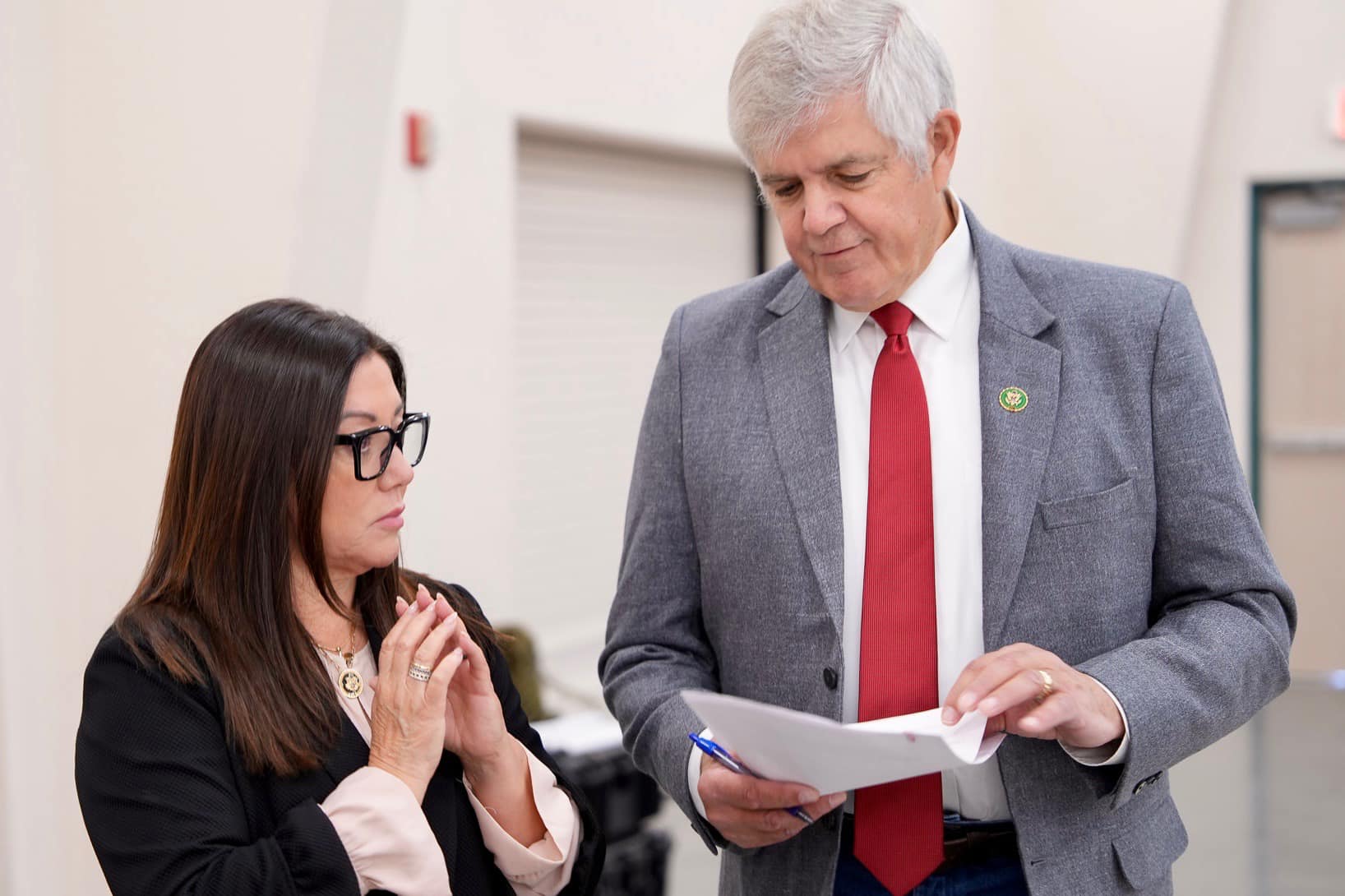
The federal government has officially reopened following congressional approval of a short-term funding measure that extends operations into early 2026. Congressman Cliff Bentz of Oregon announced his support for the legislation, which passed both chambers this week and was signed by the president shortly afterward, ending a 44-day shutdown that began on October first.
The measure, known as the Senate Amendment to H.R. 531, extends funding for most federal departments and programs at current levels through January thirtieth. It also secures full-year funding for the Department of Agriculture, the Department of Veterans Affairs, legislative branch functions, and military construction projects. The passage of the bill immediately restored government operations that had been halted for more than six weeks.
Congressman Bentz noted that the shutdown followed the Senate’s rejection of a prior stopgap funding measure approved by the House in September. That earlier proposal would have kept the government funded through late November but required a sixty-vote supermajority in the Senate. According to Bentz, Senate Democrats withheld enough votes to prevent its passage, triggering the shutdown at the start of the new fiscal year.
With the new bill now enacted, Bentz emphasized that the effects of the shutdown will linger. Federal agencies are expected to face delays in clearing backlogs and restoring services to normal levels. Many workers who were furloughed or working without pay will begin returning to regular operations, but the disruption has already produced economic and administrative consequences that may extend for months.
Bentz expressed frustration over the political brinkmanship that preceded the shutdown. He argued that disagreements over policy should be resolved within the normal processes of Congress rather than through standoffs that halt essential services. He contends that the standoff forced policy disputes into the daily lives of Americans and created unnecessary hardship for workers, families, and industries that depend on predictable government functions.
The reopening of the government shifts congressional attention to the remaining full-year appropriations bills that must still be negotiated. Nine major spending bills remain unfinished, each covering large segments of the federal government. Bentz emphasized the need to address long-standing issues such as healthcare access, gaps in the national electrical grid, and what he described as excessive regulatory burdens that complicate economic growth.
He also pointed to the challenges created by the extended shutdown, noting the compressed timeline now facing lawmakers. With fewer than three months until the next deadline, Congress must complete its work before another funding lapse becomes possible. Bentz expressed hope that members of both parties will avoid repeating the impasse that led to the recent shutdown and will pursue solutions through compromise rather than obstruction.
As the government resumes normal operations, agencies will begin the process of stabilizing programs, restoring public services, and preparing for the next round of budget negotiations. The January thirtieth deadline now stands as the next major test for Congress as it attempts to finalize long-term funding while preventing another shutdown from disrupting federal functions and affecting millions of Americans.