


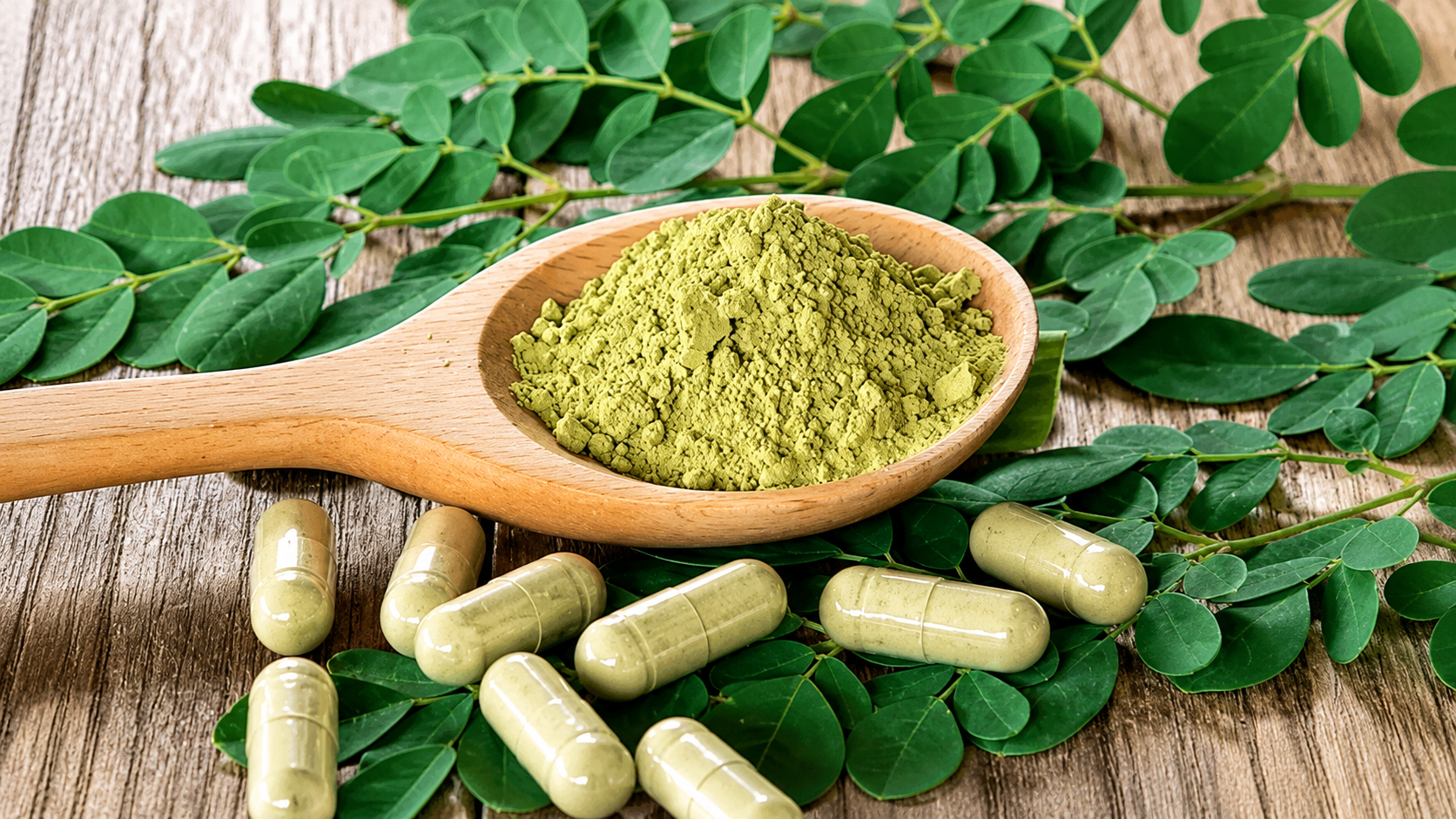
Health officials are urging consumers throughout Oregon to review the dietary supplements they keep at home after a nationwide Salmonella outbreak linked to moringa leaf powder products continued to grow, prompting additional recalls and an expanded federal investigation. The outbreak, which has affected consumers in dozens of states, highlights the challenges of monitoring dietary supplements that are widely available through online retailers and specialty health stores.
According to federal health agencies, the multistate investigation has identified 119 confirmed illnesses across 36 states, with 32 people requiring hospitalization. While no deaths have been reported, the number of affected individuals has continued to increase as investigators trace additional products and distribution channels connected to the outbreak.
The investigation is being conducted jointly by the U.S. Food and Drug Administration and the Centers for Disease Control and Prevention. Laboratory testing has linked multiple illnesses to dietary supplements containing moringa leaf powder, a plant-based ingredient commonly marketed for use in wellness products, powdered drink mixes, capsules, and nutritional supplements.
Moringa, sometimes promoted as a nutrient-rich botanical ingredient, has gained popularity in recent years among consumers seeking plant-based dietary supplements. Unlike foods that are routinely cooked before consumption, moringa powder is often added directly to smoothies, beverages, or capsules without any heating process that could eliminate harmful bacteria. That characteristic has become one of the primary concerns for investigators, as contaminated products may expose consumers to Salmonella without any visible indication that the supplement is unsafe.
Federal investigators have relied on advanced laboratory analysis, including whole genome sequencing, to determine that bacteria recovered from infected patients share a close genetic relationship. Those findings provide strong scientific evidence that the illnesses originated from a common source rather than isolated incidents occurring independently across the country.
Another factor drawing attention from public health officials is the identification of drug-resistant strains associated with portions of the investigation. Although many Salmonella infections resolve without antibiotic treatment, antimicrobial resistance can complicate medical care for patients who develop severe illness requiring hospitalization. Young children, older adults, pregnant women, and individuals with weakened immune systems remain among those considered at greatest risk for serious complications.
The investigation has also resulted in an expanding list of recalled dietary supplements as additional testing identifies affected products. Several manufacturers and distributors have voluntarily recalled specific moringa-containing supplements after laboratory analysis detected contamination or after products were linked to confirmed illnesses. Federal regulators continue updating recall information as additional lots are identified and distribution records are reviewed.
Health officials recommend that consumers avoid using any recalled moringa supplements, even if the products appear unopened or show no visible signs of contamination. Because many dietary supplements have extended shelf lives, products purchased months ago may still be stored in household medicine cabinets, kitchen cupboards, or pantry shelves. Consumers are encouraged to compare product names and lot numbers with the most current recall information available through the FDA before continuing to use any moringa-based supplement.
Symptoms of Salmonella infection generally develop within several hours to several days after exposure and commonly include diarrhea, stomach cramps, fever, nausea, vomiting, and headache. Most healthy adults recover within several days, but severe dehydration or invasive infection may require hospitalization. Anyone experiencing persistent symptoms or signs of serious illness following consumption of a recalled supplement should seek medical evaluation promptly.
The outbreak also serves as a reminder that dietary supplements are not entirely free from food safety risks. Plant-derived ingredients may become contaminated during harvesting, processing, packaging, or distribution if proper sanitation practices are not maintained. Public health investigations of supplement-related outbreaks remain relatively uncommon, but when contamination occurs, products often reach consumers across multiple states through internet sales and nationwide shipping.
As federal investigators continue tracing the source of the contamination, additional recalls or case updates remain possible. Oregon residents who regularly purchase herbal or nutritional supplements are encouraged to remain informed, verify the products they have at home, and follow updated guidance issued by federal health agencies as the nationwide investigation continues.