


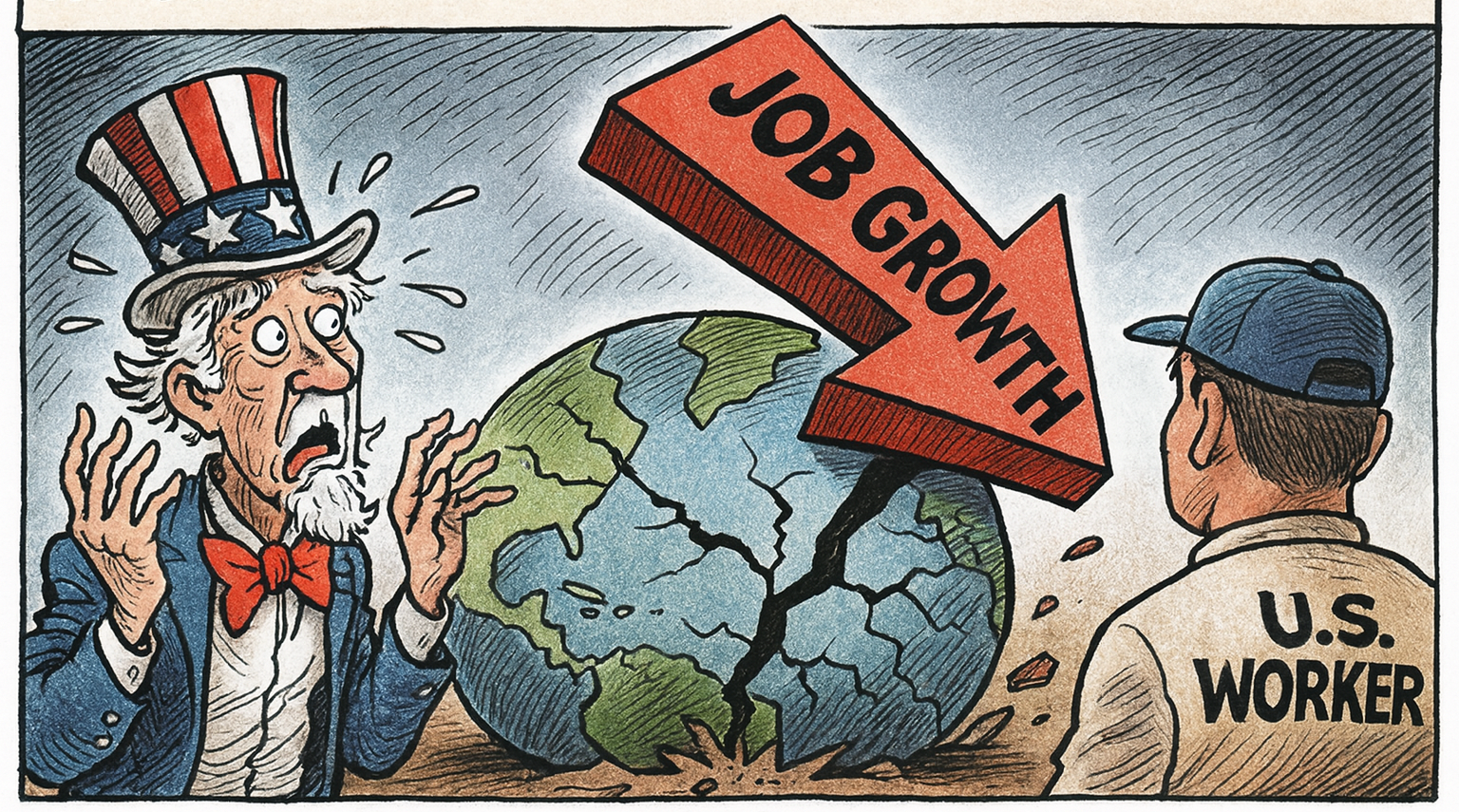
The picture of the American labor market over the past year looks less robust than earlier reports suggested. New figures released by the Bureau of Labor Statistics (BLS) show that the nation added substantially fewer jobs than initially recorded in the 12-month period ending in March. According to the updated data, employers added 911,000 fewer jobs than previously estimated. That revision cuts more than half of the 1.79 million jobs originally reported during that span.
The recalibration reflects the BLS’s annual benchmarking process, in which preliminary payroll data is compared with more comprehensive unemployment insurance records. These records provide a more complete tally of employment, and the process often results in adjustments. While some revisions are minor, this year’s downward shift is notable in both its scale and its potential implications for understanding the economy’s strength.
Before the update, the official data suggested that the economy had been adding an average of roughly 147,000 jobs per month over the 12-month period. The revised numbers bring that monthly pace closer to just over 70,000. Although the labor market remains far from contraction, this slower rate signals a deceleration that could influence broader economic planning, policy decisions, and public expectations.
The revision does not erase the overall gains of the past several years, during which the labor market recovered strongly from pandemic-era losses. However, it does call attention to the limits of headline figures often cited as indicators of economic momentum. Monthly payroll reports are among the most closely watched economic releases, but they are also subject to sampling errors and estimation challenges that can later be corrected. This latest update underscores that reality.
The impact of the revision stretches beyond statistical curiosity. Slower job creation suggests that demand for workers may not be as intense as originally believed. That can ease pressure on wages, which had been rising rapidly as employers competed for limited talent. While moderate wage growth can help cool inflation, it also tempers household income gains at a time when many Americans are still grappling with higher costs of living. Rising expenses for housing, healthcare, energy, and food remain key concerns for workers, and a slower employment trend may complicate their ability to keep pace.
For businesses, the data offers a more cautious backdrop against which to plan investments and hiring. Many sectors—particularly retail, hospitality, and construction—have experienced sharp swings in employment in recent years, reflecting both shifting consumer behavior and broader economic uncertainty. Employers in these industries may view the revision as confirmation that labor supply and demand are moving toward balance, reducing the urgency to aggressively expand payrolls.
Policymakers are also paying attention. The Federal Reserve monitors employment trends closely when setting interest rate policy. A slower pace of job creation can reinforce arguments that the economy is cooling sufficiently to keep inflation in check, potentially affecting decisions about whether to maintain or adjust current interest rate levels. Meanwhile, federal and state leaders who rely on job growth as evidence of economic resilience may find themselves recalibrating their messaging in light of the revised data.
Despite the downward adjustment, the labor market continues to exhibit strengths. Unemployment remains historically low, workforce participation has stabilized, and key sectors such as healthcare and professional services continue to add jobs. These areas of growth help offset weaknesses in other industries and indicate that the economy has not stalled but rather entered a slower, steadier phase of expansion.
Ultimately, the revised figures provide a clearer, though more modest, view of U.S. job creation over the past year. While the economy is still generating employment opportunities, the pace is less vigorous than many had believed. This new perspective highlights the importance of treating early job reports as preliminary snapshots rather than definitive accounts. For households, businesses, and policymakers alike, the message is that the labor market remains resilient but is no longer surging at the breakneck speed seen earlier in the recovery.