


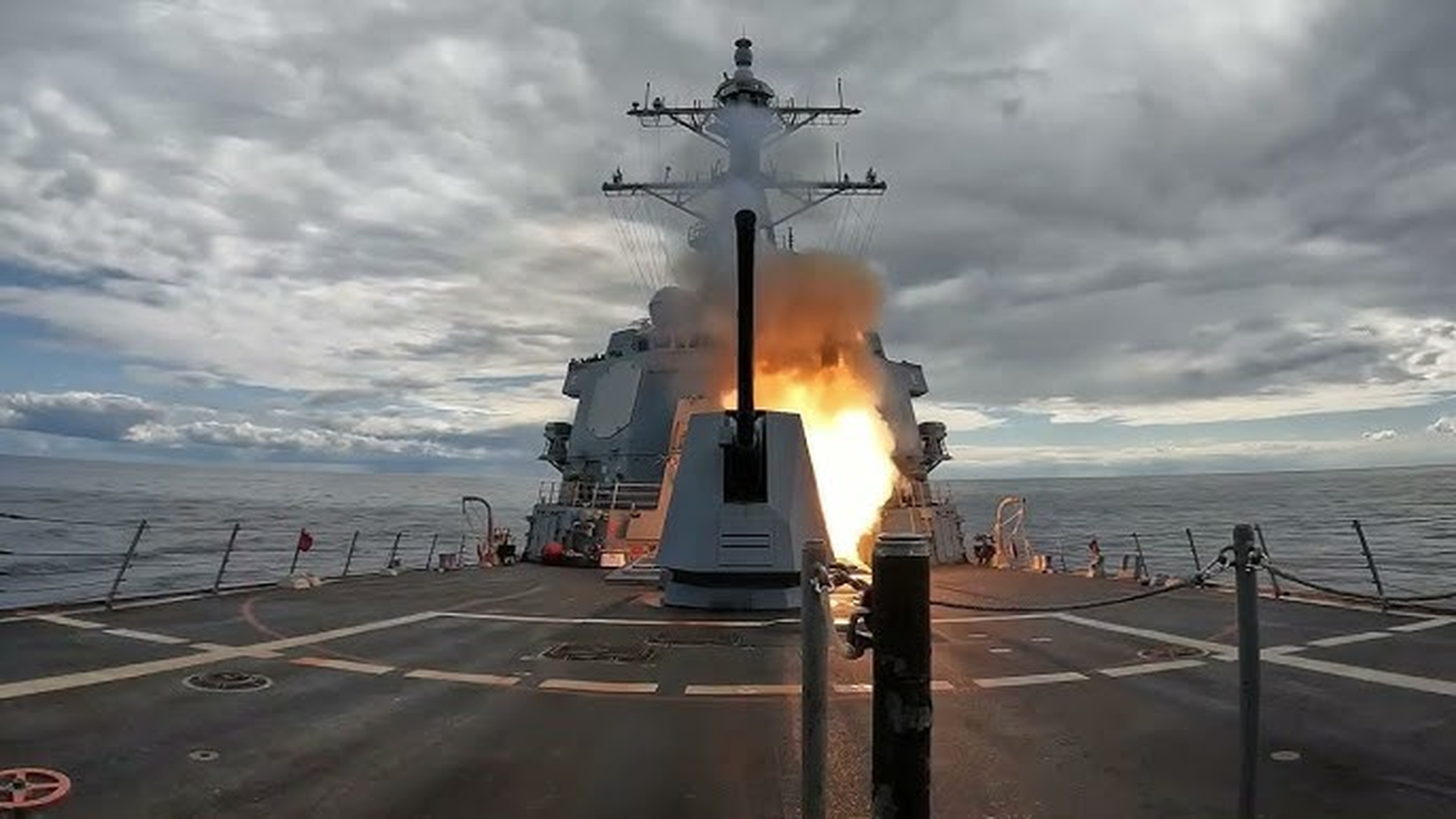
The operational footprint of what has been identified as Operation Epic Fury expanded noticeably over the past 24 to 48 hours, with new developments signaling a broader regional impact and a more calibrated U.S. military strategy moving forward.
Recent activity indicates that the United States has continued its campaign against Iranian military capabilities while deliberately avoiding strikes on key elements of Iran’s energy infrastructure. Military targets, including missile systems, naval assets, and defense-related facilities, remain the primary focus. The absence of attacks on oil production and power systems reflects a strategic decision rather than a reduction in force, as U.S. operations remain active and ongoing across multiple sectors.
At the same time, Iran’s response has shifted toward expanded regional engagement. Missile strikes reported within Israel over the past two days have caused damage to civilian infrastructure and resulted in injuries, marking a continuation of direct retaliation efforts. These strikes demonstrate an increased reliance on longer-range capabilities capable of reaching population centers, rather than isolated or symbolic actions.
Beyond direct engagement, activity tied to Iranian-aligned groups has increased. Hezbollah forces have launched additional rocket fire into northern Israel, while heightened tensions and reported incidents have surfaced across several countries in the region, including Iraq, Bahrain, Saudi Arabia, Kuwait, and the United Arab Emirates. This pattern reflects a widening operational environment in which multiple areas are experiencing elevated security concerns tied to the broader conflict.
One of the most closely watched developments is the growing focus on the Strait of Hormuz. The waterway remains one of the most critical global transit routes for oil shipments, and recent threats to maritime movement have raised concerns among international partners. In response, allied nations are preparing for potential naval operations aimed at maintaining open shipping lanes and preventing disruption to global energy transport.
Market reactions to these developments have already emerged. Oil prices have risen above the $100 per barrel level, reflecting increased uncertainty surrounding supply stability and transport security. Several countries dependent on imported energy have begun assessing contingency measures as the situation continues to evolve.
From a military standpoint, U.S. officials report continued progress in degrading Iranian capabilities. Thousands of targets have been struck since the start of operations, with particular emphasis on reducing naval capacity and limiting the effectiveness of drone-based attacks. Reports indicate a significant decline in drone activity, suggesting that portions of Iran’s aerial capabilities have been disrupted.
Despite these developments, the conflict shows no indication of slowing. Instead, the pattern over the past 48 hours suggests a transition in how the conflict is being conducted. Iran appears to be relying more heavily on indirect engagement, including missile strikes and coordination with regional allies, rather than direct large-scale confrontation with U.S. forces.
Diplomatic conditions remain uncertain. While there have been indications of communication between parties through indirect channels, no formal negotiations have been confirmed. Public statements from Iranian leadership continue to reject the presence of active talks, leaving the situation without a clearly defined diplomatic pathway at this stage.
The cumulative effect of these developments is a conflict that is no longer confined to a single area of engagement. Military activity, regional involvement, and economic impact are now interconnected, with each influencing the direction and intensity of the others.
For the United States, the current approach reflects an effort to balance sustained military pressure with broader economic considerations. Avoiding strikes on energy infrastructure reduces the likelihood of immediate global supply disruption, while continued targeting of military assets maintains operational momentum.
However, the expansion of activity across multiple countries and the increased focus on strategic waterways indicate that the risks associated with the conflict are growing rather than stabilizing. The potential for further escalation remains present, particularly if maritime routes or additional regional actors become directly involved.
As of March 25, Operation Epic Fury remains active, with no confirmed timeline for de-escalation. The developments of the past two days point to a conflict that is evolving in scope and complexity, with implications extending beyond the immediate region and into global economic and security considerations.