


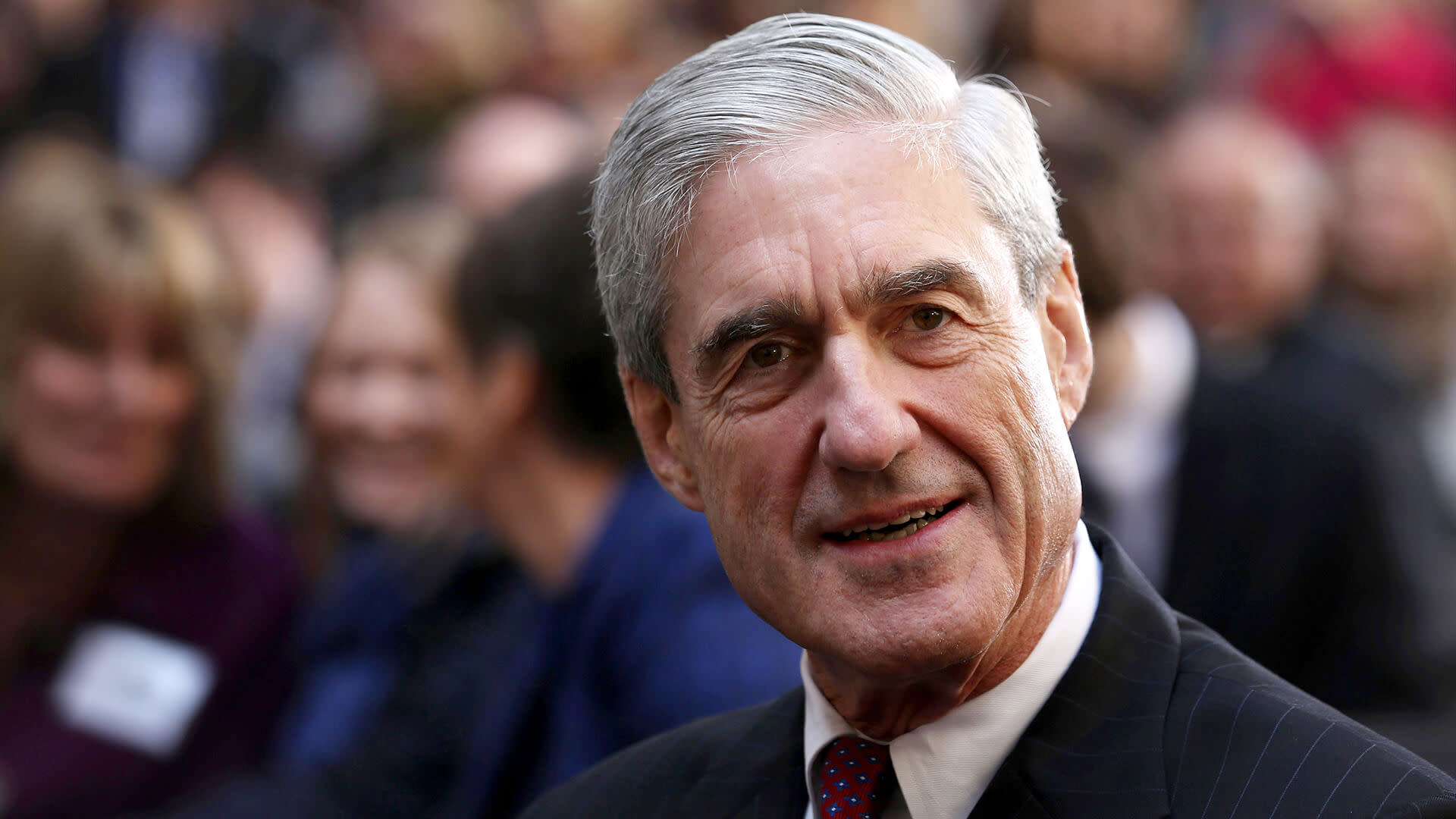
Robert Swan Mueller III, a man whose name became synonymous with institutional resolve and the pursuit of truth at the highest levels of American government, died on March 20, 2026, at the age of 81. His passing closes a career that stretched across war, justice, and one of the most scrutinized investigations in modern political history.
Born in New York City on August 7, 1944, Mueller was shaped early by a sense of duty that would define his life. After graduating from Princeton University, he earned his law degree from the University of Virginia, but it was his service as a Marine Corps officer in Vietnam that left the deepest imprint. Wounded in combat and awarded the Bronze Star and Purple Heart, he carried forward a discipline and steadiness that would later anchor his leadership in times of national uncertainty.
Mueller entered public service as a federal prosecutor, where he built a reputation not for theatrics, but for precision and persistence. He handled cases involving organized crime, financial misconduct, and national security, steadily rising through the Department of Justice. Those who worked alongside him often described a man uninterested in headlines, focused instead on facts, evidence, and the long arc of accountability.
That reputation led to his appointment as Director of the Federal Bureau of Investigation in 2001, just days before the September 11 attacks. In the aftermath, Mueller guided the bureau through a fundamental transformation, reshaping it into an intelligence-driven agency focused on preventing future threats while maintaining its core law enforcement mission. His tenure, extended beyond the traditional term, reflected the trust placed in his ability to lead without distraction or deviation.
Years later, Mueller would again be called upon at a moment of national tension. In 2017, he was appointed Special Counsel to investigate Russian interference in the 2016 presidential election. What followed was an inquiry of extraordinary scope, one that placed Mueller at the center of a divided political landscape. Through it all, he remained characteristically reserved, allowing the work itself to speak.
The resulting document, widely known as the Mueller Report, became a defining record of that investigation. It did not establish a criminal conspiracy between the Trump campaign and Russian actors, yet it meticulously detailed contacts, actions, and a pattern of conduct that raised profound questions about obstruction of justice and the boundaries of executive power. More than a legal report, it stood as a comprehensive account of a moment when the nation confronted the integrity of its own democratic systems.
To supporters, Mueller was a steadfast truth seeker, willing to follow evidence wherever it led, regardless of political consequence. To critics, his findings left room for interpretation and debate. Yet even among disagreement, there remained a broad recognition that the investigation itself was conducted with rigor, independence, and an adherence to process that reflected his lifelong approach to public service.
In his later years, Mueller stepped away from public life. In 2025, it became known that he had been living with Parkinson’s disease, a condition that quietly marked his final chapter. While an official cause of death has not been publicly detailed, his passing has prompted reflection across the country on a career that consistently intersected with moments of national consequence.
Mueller was not a figure of grand speeches or public display. His presence was measured, his words deliberate, and his actions rooted in a belief that institutions matter, and that truth, however contested, must be pursued with discipline and care. He did not seek to define history, yet he was repeatedly placed within it, tasked with navigating its most difficult questions.
From the battlefields of Vietnam to the corridors of federal power, Robert Mueller’s life was marked by a singular throughline: a commitment to uncovering facts, upholding the rule of law, and maintaining order in times when both were tested. In an era often shaped by noise and division, his legacy endures in the quieter, harder work of seeking truth and holding the line where it mattered most.