


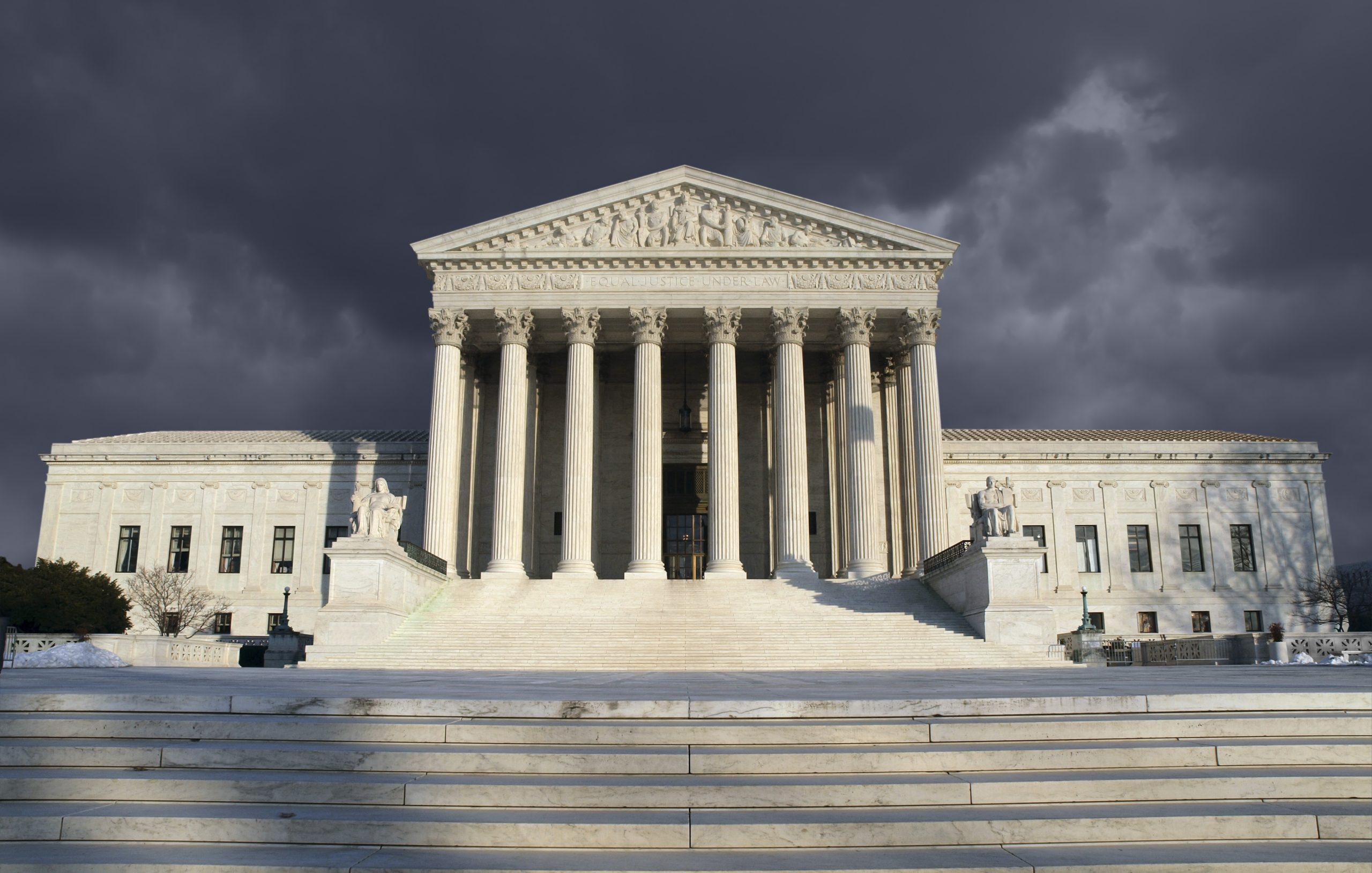
A legal and political battle unfolding in Portland is rapidly evolving into a defining moment for how protests are policed in the United States, placing Oregon at the center of a national debate over federal authority, civil liberties, and the limits of force.
At the heart of the issue is a case now being weighed by the U.S. Court of Appeals for the Ninth Circuit, which is reviewing whether federal officers can continue using tear gas and other crowd-control tactics during demonstrations outside a Portland immigration enforcement facility operated by U.S. Immigration and Customs Enforcement. The decision will determine whether earlier restrictions imposed by a federal judge in Oregon remain in place, are modified, or are overturned entirely.
Those initial restrictions emerged after months of sustained protests outside the facility, where demonstrators gathered to oppose federal immigration enforcement practices. Court findings and legal filings pointed to repeated use of tear gas that extended beyond active protest zones, with reports indicating that chemical agents drifted into nearby residential buildings and affected individuals not directly involved in demonstrations. Concerns were also raised about the impact on journalists and legal observers, adding weight to arguments that the tactics may have gone beyond what is constitutionally permissible.
Federal authorities have defended their actions, maintaining that tear gas and similar tools are necessary to manage volatile and unpredictable crowds and to ensure the safety of personnel and property. The federal position emphasizes that limiting these tools too strictly could hinder the ability of officers to respond to rapidly changing conditions during large-scale protests.
The legal dispute highlights a deeper and longstanding tension between federal enforcement authority and Oregon’s policy direction. While the state has adopted stricter limitations on tear gas use by local law enforcement following earlier protest cycles, those rules do not automatically apply to federal agencies. This distinction has created a jurisdictional divide, where federal officers operate under a different set of standards than their local counterparts, even when both are present in the same city.
That divide has placed Oregon’s leadership in a challenging position. State officials have supported legal efforts to impose clearer limits on federal use of force, while also navigating the reality that immigration enforcement remains a federal responsibility. The resulting friction has turned Portland into a focal point for questions about how far federal authority extends when it intersects with state-level public safety concerns and civil rights protections.
At the same time, the protests themselves have grown into something broader than the initial demonstrations. What began as localized opposition to a single facility has developed into a sustained and organized movement challenging federal immigration enforcement more broadly. Advocacy groups, labor organizations, civil liberties advocates, and community members have all contributed to a coalition that continues to draw attention and participation.
The scale and persistence of this movement have elevated the issue beyond street-level demonstrations and into mainstream political discourse. Public officials across Oregon are increasingly being asked to take positions on federal enforcement practices, while policy discussions now regularly include questions about the use of chemical agents, the role of federal agencies in local communities, and the balance between security and constitutional rights.
The outcome of the Ninth Circuit’s decision is expected to carry implications far beyond Oregon. A ruling that upholds restrictions on tear gas could influence how federal agencies approach protest management nationwide, potentially setting new standards for when and how force can be used. A decision that favors broader federal discretion, on the other hand, could reinforce existing practices and clarify the scope of federal authority in similar situations across the country.
For Oregon residents, the case represents more than a legal proceeding. It is a reflection of how national policies are experienced at the local level, where federal enforcement, state priorities, and public response intersect in real time. The trajectory of this issue, from early protests to a federal appellate review, underscores how quickly localized conflicts can evolve into matters of national consequence.
As the court weighs its decision, Oregon remains a proving ground for the broader question of how a democracy manages dissent, enforces the law, and defines the limits of force in the public square.