


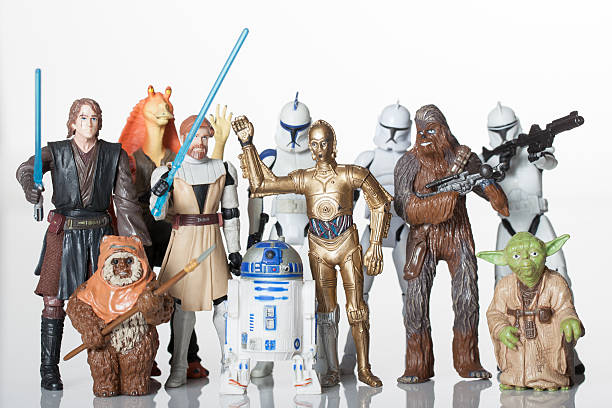
For anyone born in the 1970s or earlier, the concept of collectibles isn’t new. Many grew up surrounded by what were then everyday toys and pop-culture items—Star Wars action figures, original G.I. Joe sets, vinyl albums, lunchboxes, comic books, and baseball cards—that today fetch small fortunes on the secondary market. What makes these objects valuable is not just their age, but their cultural significance, scarcity, and condition. The natural question for the modern collector is: what are the equivalent assets today that will define tomorrow’s lucrative nostalgia market?
The collectibles market is now a multibillion-dollar global industry, driven by a mix of nostalgia, investment speculation, and digital access. What has shifted since the 1970s is the way collectibles are created and preserved. Mass production, the internet, and changing cultural habits have made certain categories more volatile, while others have quietly gained momentum in the background. Identifying future classics requires an understanding of generational behavior, economic scarcity, and pop-culture impact.
One of the most potent modern equivalents to the Star Wars figurine boom is found in first-edition or limited-run items tied to major franchises. Pop culture is still king, and franchises like the Marvel Cinematic Universe, Pokémon, and gaming properties such as Zelda and Mario have become global touchstones for Millennials and Gen Z. While it may seem that everything is overproduced today, scarcity still exists in the margins. Special convention exclusives, limited manufacturing runs, early production errors, and items released before a cultural explosion—such as pre-launch promotional material or first-wave merchandise—tend to hold their value best over time. These are the pieces that collectors overlook when shelves are flooded with generic toys, but they can become gold decades later.
Video games themselves are rapidly emerging as one of the most important collectible categories of the modern era. Unlike toys, many games were opened, played, and eventually discarded, making sealed or mint-condition copies extremely scarce. Early console titles for systems like Nintendo, Sega, and PlayStation have already entered the high-end collectible market, with some commanding prices comparable to fine art. The modern equivalent lies in physical copies of games released in an increasingly digital era. As game publishers move toward online distribution, physical copies with intact cases, inserts, and unused download codes will become the modern-day equivalent of a pristine G.I. Joe still in its original box. Collectors looking ahead should consider how few of today’s physical media items will survive the next twenty years.
The apparel and sneaker industries are also producing future collectibles, especially in the realm of limited collaborations. High-profile drops between athletic brands and cultural icons have created manufactured scarcity that mirrors baseball card runs of the past. While some of this market is speculative and volatile, certain pairs—particularly those tied to significant cultural events, artist collaborations, or debut releases—have lasting value. As with vintage Levi’s jeans and original band tour T-shirts, authenticity and condition will separate valuable future relics from disposable fast fashion.
Sports memorabilia remains a steady pillar, but it has evolved beyond autographed balls and trading cards. Ticket stubs from pivotal games, early NFTs tied to player milestones, and game-worn equipment tied to headline moments all have long-term potential. For those who came of age in the 1970s, holding onto an original World Series program or a rookie card was a matter of personal fandom. Today, preserving authenticated digital moments or first-run memorabilia from rising stars could yield similar windfalls down the road.
Books, comics, and printed media should not be overlooked either. First editions, signed copies, or early print runs of culturally significant works continue to appreciate, particularly as print media declines. Modern equivalents might include graphic novels tied to cinematic adaptations, first issues of independent comic series that gain mainstream traction, or early self-published works by breakout authors. In a world increasingly defined by digital consumption, any tangible media preserved in excellent condition becomes inherently scarcer over time.
The final and perhaps least predictable frontier is digital collectibles. While the initial NFT boom was overheated and speculative, the underlying concept of verified, limited digital ownership isn’t going away. The difference between a worthless NFT and a valuable one lies in cultural permanence. A digital collectible tied to a cultural milestone—such as the first appearance of a globally significant digital artist or a verified token tied to a once-in-a-generation event—may become the 21st-century equivalent of a vintage trading card. The technology will evolve, but cultural artifacts tend to endure.
For those who grew up in the analog age of the 1970s, the instinct to hold onto physical relics remains strong. The lesson from past generations is clear: value emerges at the intersection of scarcity, cultural significance, and condition. Items that seem commonplace today can become highly prized tomorrow when they capture the essence of a cultural moment that later generations long to recapture. Whether it’s a first-edition game, a limited sneaker drop, a convention-exclusive figure, or a signed debut novel, tomorrow’s collectibles are being casually purchased, worn, opened, and discarded today. Those who recognize their future value early—and preserve them with care—stand to turn nostalgia into meaningful financial returns.