


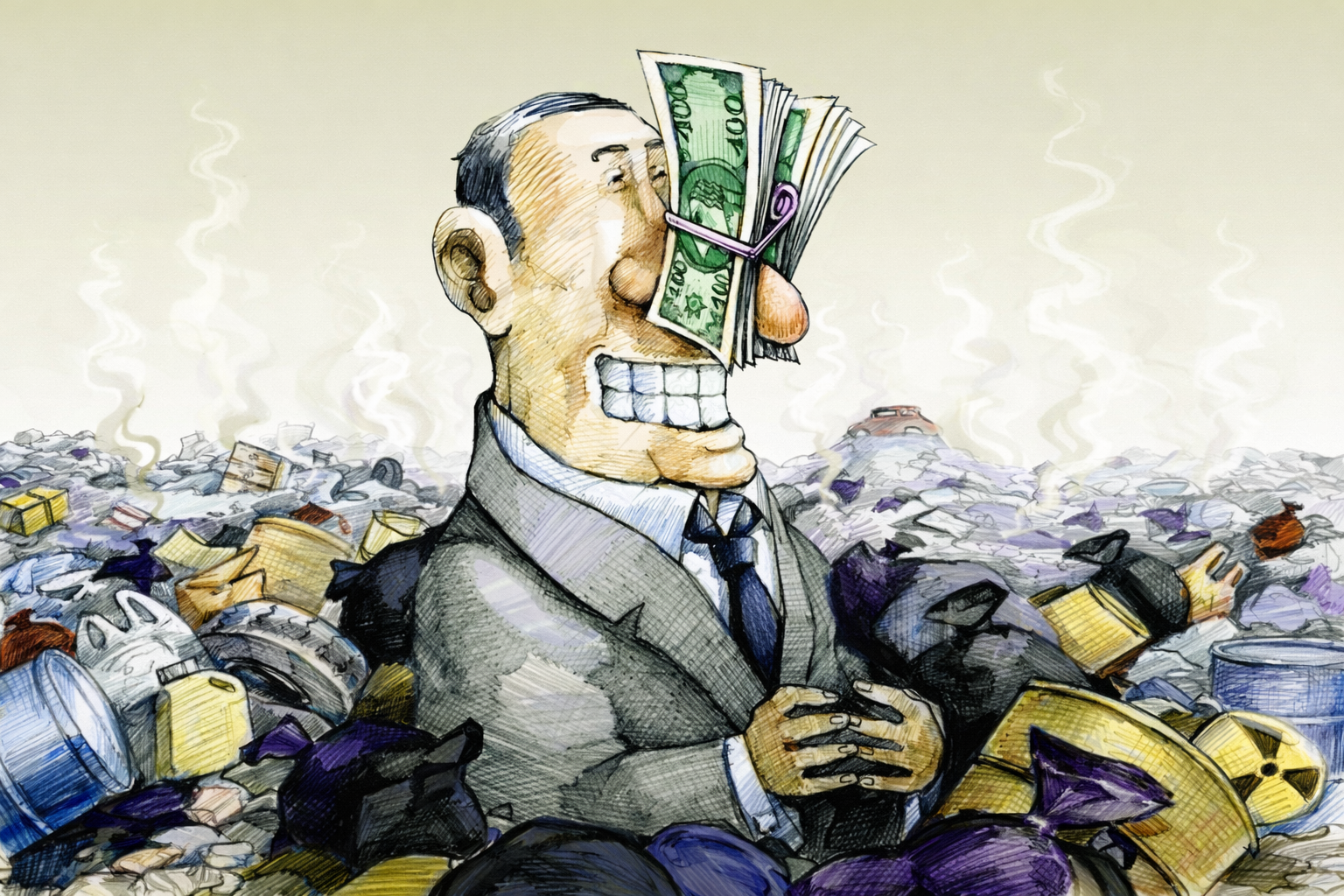
Political corruption is not new. It did not begin in modern America, nor is it confined to any single party, region, or generation. What has changed is not the existence of corruption, but the way it operates and how openly it now appears to function in public life.
For much of the twentieth century, corruption survived by maintaining a delicate balance. Power brokers understood an unwritten rule: take something for yourself, but leave enough for the community so people felt protected rather than exploited. Political machines in major American cities operated this way for decades. Organized crime families, local politicians, and even elements of law enforcement often intersected in ways that blurred ethical lines, yet public outrage remained muted because visible benefits flowed back into neighborhoods.
The American mafia provides one of the clearest historical examples. Criminal enterprises exerted influence over construction, labor unions, gambling, and municipal contracts, yet they simultaneously funded community festivals, supported local businesses, and provided informal social safety nets. Their power depended on discretion. Visibility threatened survival. The appearance of order mattered as much as profit.
Corruption functioned as a quiet exchange, not an open challenge to the rule of law.
That model began to collapse as transparency increased through investigative journalism, federal prosecutions, and expanding public records laws. But an equally important shift occurred inside political culture itself. Where secrecy once protected influence, modern corruption often appears indifferent to exposure. The fear of consequences has diminished.
The 2010 scandal in Bell, California illustrates the turning point. City officials inflated salaries to extraordinary levels while residents of a working-class community struggled economically. The scheme was not hidden behind complex criminal networks or sophisticated laundering operations. It operated through public institutions themselves. Documents were available, meetings were held, and yet oversight failed until investigative reporting forced accountability. What shocked the public was not merely the misconduct, but its brazenness.
The lesson from Bell was unsettling. Corruption no longer required shadows when institutional complacency provided cover.
Across the country, local governments have faced increasing accusations of cronyism, insider hiring, preferential contracting, and political retaliation. These controversies vary widely in severity, but they share a common perception among citizens: rules appear flexible for those in power while rigid for everyone else. When ordinary individuals violate laws, consequences tend to be swift and visible. When public officials face allegations, investigations often move slowly, penalties appear limited, and accountability becomes entangled in legal technicalities.
This perception fuels public distrust more than corruption itself.
Communities such as Josephine County reflect the modern tension between governance and public confidence. Residents increasingly scrutinize appointments, contracts, administrative decisions, and relationships between political allies. Whether every allegation proves valid is almost secondary to the broader concern. Citizens sense that transparency is reactive rather than proactive, and that institutions sometimes defend themselves before addressing legitimate questions.
Historically, corrupt systems survived because they maintained community loyalty. Today’s political environment risks losing that protection. When leaders appear disconnected from public expectations or dismissive of criticism, the old social contract dissolves. Voters no longer tolerate quiet arrangements justified by local benefit. They demand fairness, consistency, and visible accountability.
Technology has amplified this transformation. Social media, online records, and independent journalism mean misconduct cannot remain buried for long. Yet exposure alone does not restore trust. Accountability must follow exposure, or cynicism replaces civic engagement.
The deeper issue is not whether corruption exists. Human institutions will always struggle with power and influence. The question is whether leaders recognize that legitimacy depends on public confidence. Earlier eras of corruption attempted to preserve that confidence through discretion and community investment. Modern controversies suggest some officials believe consequences are unlikely, criticism is temporary, and public outrage will fade.
History suggests otherwise.
Communities eventually reject systems that appear self-serving. The difference between past corruption and today’s controversies is not morality but visibility. What once operated quietly behind closed doors now unfolds in plain sight, leaving citizens to wonder whether accountability still functions as intended.
If there is a lesson from organized crime’s decline, from Bell’s reckoning, and from ongoing local debates nationwide, it is simple. Power survives only as long as the public believes the system serves everyone, not just those who control it. When that belief erodes, reform is no longer optional. It becomes inevitable.